Pakistan's Iran Peace Dividend Is Real
Diplomatic gains may not fix economic woes
Model Diplomat3 min readasia
Pakistan's Iran Peace Dividend Is Real — But It Won't Fix the Economy
Pakistan's diplomatic triumph in the US-Iran war has opened trade, energy, and investment doors. Structural rot means most of them lead nowhere.
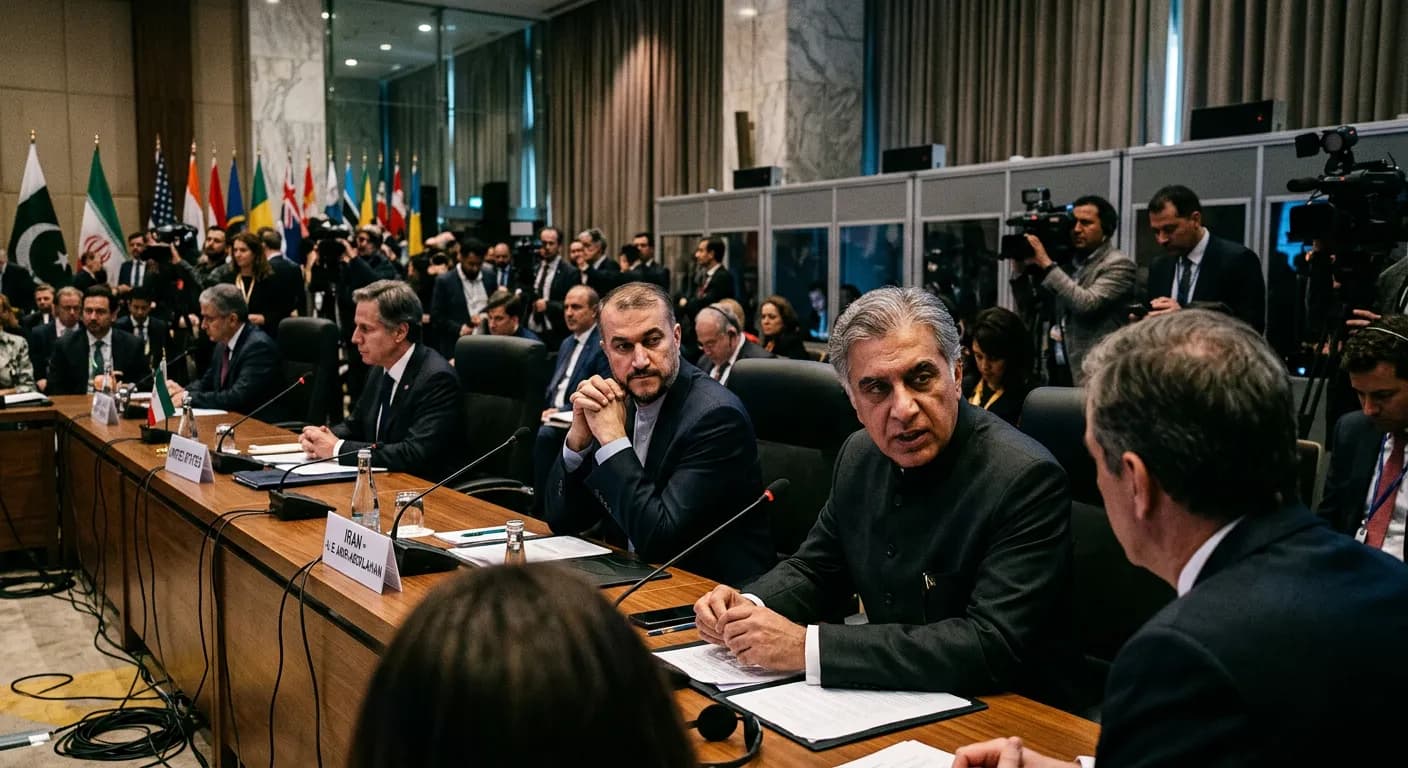
Pakistan's mediation of the US-Iran peace deal has generated more diplomatic goodwill for Islamabad than any single event since 9/11 — and the government is moving fast to convert it into economic gain. Prime Minister Shehbaz Sharif and army chief Field Marshal Asim Munir attended the high-level talks in Bürgenstock, Switzerland on June 21–22, the culmination of months of backchannel diplomacy that produced a 14-point memorandum of understanding on June 17 and a "roadmap towards a final deal within 60 days," according to a joint statement by co-mediators Pakistan and Qatar. The question now is whether Pakistan can avoid repeating the post-9/11 pattern — a geopolitical windfall that never translated into durable economic transformation.
The opportunity is concrete. The MoU commits the US to lifting its naval blockade of Iranian ports and terminating "all types of sanctions," while Iran agrees to reopen the Strait of Hormuz, through which 20% of the world's oil and natural gas travels, the BBC reported. For Pakistan, that means two immediate channels of benefit: reduced energy import costs as global oil flows normalize, and the potential revival of the long-stalled Iran-Pakistan gas pipeline, which has been frozen for a decade under US sanctions pressure.
Al Jazeera noted that sanctions relief on Iran could also reopen trade flows along the Balochistan border, a corridor constrained for years.
Iranian President Masoud Pezeshkian has already visited Islamabad, and the two sides are preparing agreements on trade, infrastructure, and energy cooperation, with an ambition to push bilateral trade toward $10 billion, The Nation reported. Finance adviser Khurram Schehzad told the same outlet that Pakistan's image as "a force for peace and stability" could attract investment into infrastructure, technology, and human capital.
That is the bullish case. The bear case is anchored in Pakistan's own history.
After 9/11, alignment with Washington secured debt rescheduling from more than a dozen bilateral creditors, renewed IMF support, and new US assistance — and Pakistan squandered the moment because of structural weaknesses, as economic commentator Khurram Husain noted in the Express Tribune. One crucial difference, Husain argued, is that the post-9/11 windfall came at "the start of a long ruinous war in which Pakistan had to play a frontline role," while this time "Pakistan is playing the role of a peacemaker." That distinction gives Islamabad leverage with multiple sides simultaneously — Washington, Tehran, Gulf states, Turkey, and China — but it does not alter the domestic equation.
Former finance minister Miftah Ismail was blunt: the diplomatic role enhanced Pakistan's prestige but "had no effect on the high costs, weak exports and external repayments" that keep it dependent on the IMF. Pakistan is targeting 4.0% growth and 8.2% inflation for the coming fiscal year, against 3.7% projected growth in FY2026, with remittances up 8.2% to $30.3 billion. Economist Ammar Habib Khan told Al Jazeera that the recent growth owes more to reduced energy import costs from the Hormuz closure than to any expansion in production.
Atif Mian, the Princeton economist, offered the clearest framework: Pakistan should avoid treating diplomacy as another route to deposits, rollovers, or IMF-style relief. The real prize, he said, is a "peace pivot" — regional trade, energy links with Iran, and deeper integration with the Gulf and Turkey through exports, technology transfer, and co-dependent industries. Harvard's Asim Ijaz Khawaja similarly urged Islamabad to resist short-term financial concessions and instead seek preferential market access for textiles and IT services, academic exchanges, and green investment frameworks.
The sobering coda comes from Oxford's Adeel Malik: "If structural reforms are not implemented, the country is poised for an implosion in coming decades." He cited deep grievances among the young and the shrinking middle class against a ruling elite that has used the system for self-preservation while leaving the country "socially and economically insecure."
What to watch: the 60-day negotiating window. If a final US-Iran deal holds and sanctions relief becomes durable, the IP pipeline and Balochistan border trade become real — not theoretical — opportunities. The test is whether Islamabad uses the diplomatic capital for productivity-enhancing integration or, as Mian warns, merely another cycle of deposits and deferrals. The Bürgenstock glow fades fast; the IMF program does.
Discover more
Global Politics
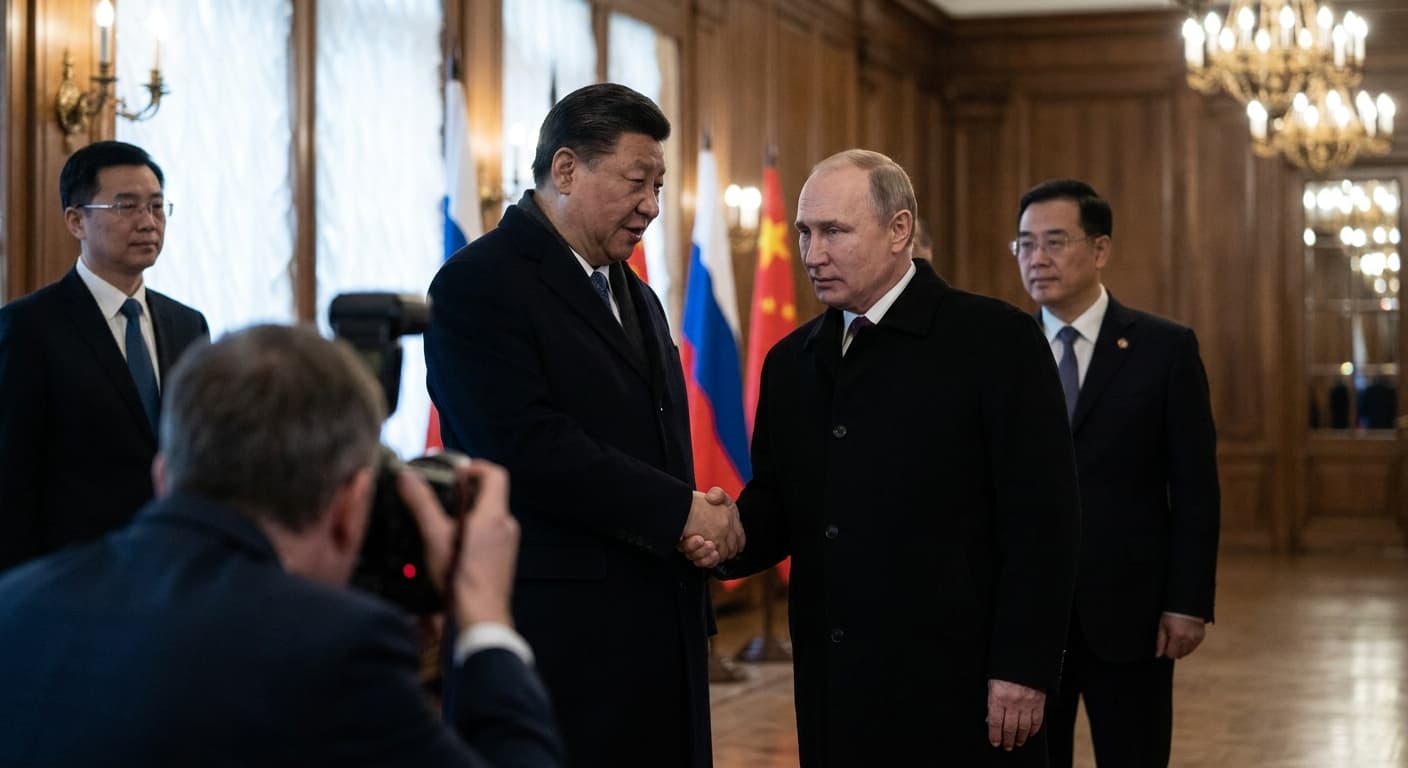
Xi Jinping Calls China-Russia Ties 'Precious'
Xi Jinping's description of China-Russia ties as 'precious' reflects a strategic imbalance, with Beijing dictating terms in the partnership.

US Politics
US Launches $166B Tariff Refund Portal
The US is launching a $166 billion tariff refund portal to aid importers hit by Trump-era tariffs, with major implications for trade and supply costs.
US Politics
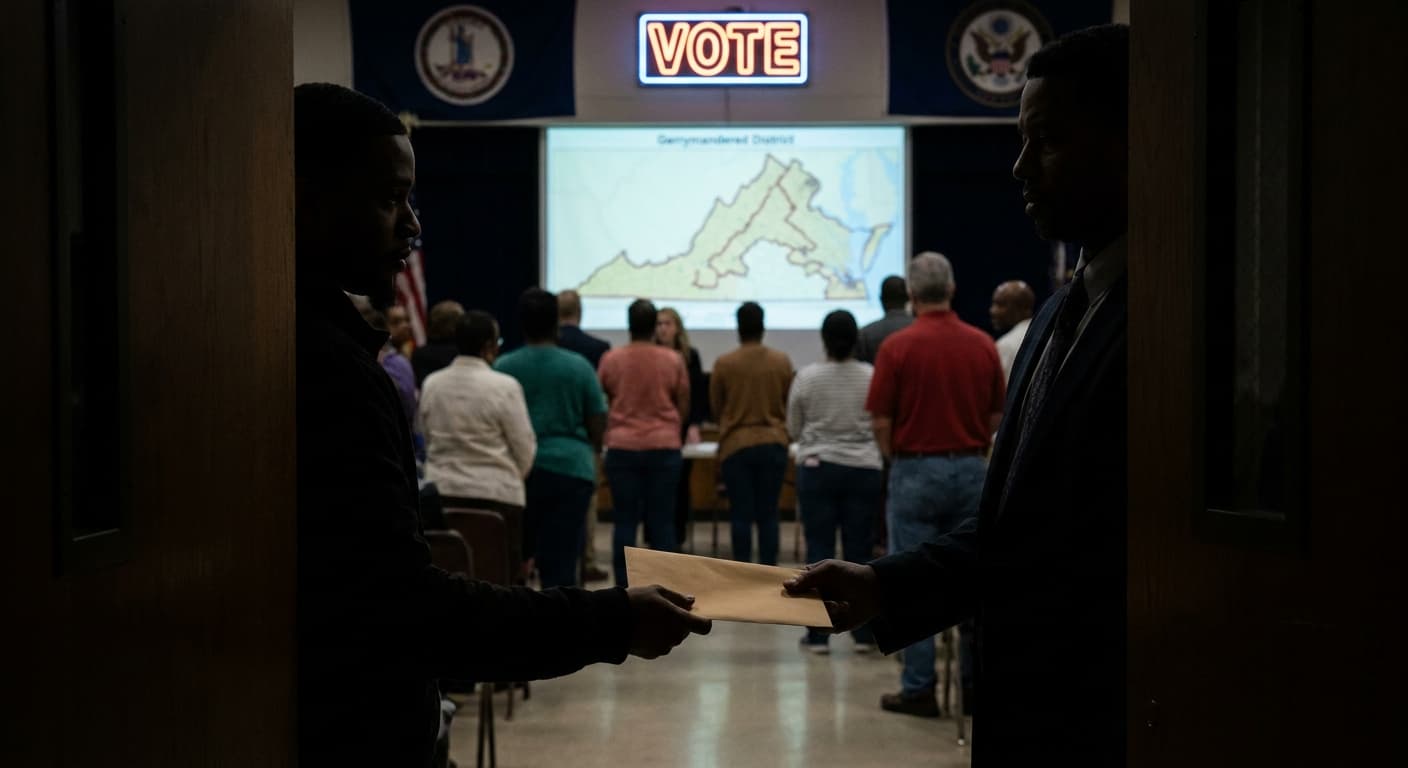
Virginia's Redistricting Referendum
Virginia's redistricting referendum is drawing a flood of dark money, shaping future elections and the fight for congressional control amid party stakes.

Economics
Fed's Amex AML order puts correspondent banking on notice
Federal Reserve's Amex AML order requires board-level controls and a 90-day plan; OCC fined the bank $350 million over enterprise-wide deficiencies.