Opposition Protests Modi's Key Bills
High-profile protests in India against Modi's legislative agenda
Model Diplomat3 min readIndia

Bill Burnt, Black Flags Raised: How Opposition Pushed Back Against Modi Government’s Triad of Bills
India’s Opposition staged high-profile protests in Parliament against key Modi government legislation, signaling deeper parliamentary and political fractures.
On April 16, 2026, opposition parties in India’s Lok Sabha launched a coordinated and symbolic protest against three crucial bills introduced by the Narendra Modi government: the Delimitation Bill, the Women’s Reservation Bill, and a third major legislative proposal. Opposition lawmakers burned copies of the Bills and raised black flags, scenes that captured the intensity of parliamentary dissent and underscored the stakes of Modi’s legislative agenda.
Opposition Playbook: Protests Beyond Debate
The Opposition, comprising Congress, Left parties, and regional fronts, mobilized both inside Lok Sabha and on the streets—a tactic to dramatize their rejection of what they label as “anti-democratic” and “unilateral” policy moves by the ruling party. Burning the bills was a deliberate gesture of outright repudiation, conveying that they consider these laws not just flawed but fundamentally illegitimate.
The black-flag protests, familiar in Indian political culture as a form of disrespect and repudiation, reinforced this message. By targeting all three Bills simultaneously, the Opposition aimed to amplify the narrative that Modi’s policy push represents overreach and centralization of power.
The Opposition’s resistance focuses on the Delimitation Bill’s potential to redraw constituency boundaries in Jammu and Kashmir and beyond, widely perceived as a maneuver to dilute certain regional political influences. The Women’s Reservation Bill, mandating a 33% quota for women in Parliament and state assemblies, ironically faced pushback claiming it could disrupt existing political balances or be manipulated for partisan gain. These disagreements are not just about policy details but reflect deeper battles over political representation, identity, and power distribution in India’s federal democracy.
Why This Matters: Modi’s Calculated Legislative Push
Modi’s administration has pushed aggressive reforms on multiple fronts since 2019, seeking to reshape the political landscape ahead of crucial state elections later this year and the 2029 general election. The three Bills symbolize a two-fold strategy: institutionalizing social policy reforms (women’s reservations) while consolidating political control through constituency redefinition (delimitation). Together, they display an attempt to solidify the BJP’s long-term electoral dominance.
The Opposition’s spirited resistance signals broader vulnerabilities in the government’s approach. The demonstrations captured on April 16 show that even with a parliamentary majority, the BJP faces persistent pushback from an increasingly organized coalition of dissenters. This dynamic shapes India’s parliamentary politics as not merely about lawmaking but about fundamental contests over democratic norms and political inclusion.
Historically, such joint Opposition mobilizations have often served as springboards for rejuvenated electoral efforts. The symbolic power of burning bills inside Parliament echoes moments in India’s past when opposition unity altered political trajectories — akin to the 1970s resistance against the Emergency years, which helped restore democratic checks.
What to Watch Next: Legislative Outcomes and Political Ripples
The key question now is how these protests will impact the trajectory of the three Bills. Will Modi’s government use its parliamentary majority to push the laws through despite vocal opposition, or will sustained protests force recalibrations or delays?
Observers should watch state-level elections scheduled this year, where the political narratives spun around these Bills could influence voter turnout and coalition strategies. The Opposition's visible unity on contentious legislation might translate into electoral momentum, particularly in states with strong regional identities negatively affected by the delimitation.
Furthermore, this confrontation may shape the contours of the 2029 general election, testing whether Modi can maintain his legislative momentum or whether political fragmentation undermines his authoritarian leanings.
In sum, the April 16 protests are more than parliamentary theatrics—they encapsulate a volatile phase in India’s democracy where policy, representation, and political power are intensely contested on multiple fronts.
For ongoing updates on India’s parliamentary politics and elections, visit India Politics and explore broader
Global Politics.
Source:
Bill burnt, black flags raised: How Opposition took on govt’s 3 key Bills in Lok Sabha
Discover more

India
Opposition Protests Key Indian Bills
India's opposition protested three key bills, raising black flags and burning copies in a fierce stand that signals a bruising battle before the elections.
India
Modi's Women’s Quota and Delimitation Bills
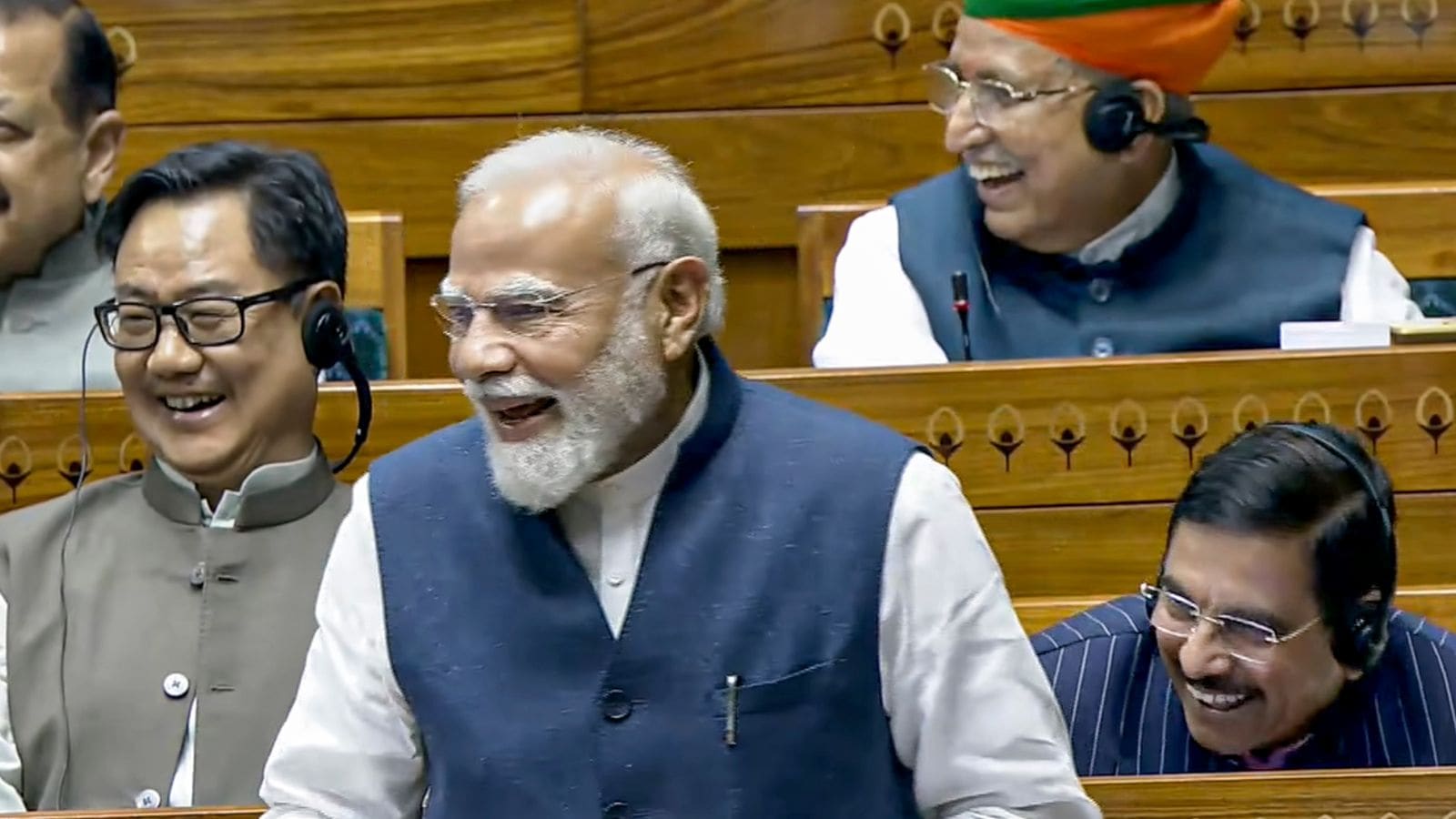
Modi urges Parliament to pass the women's reservation and delimitation Bills, warning the opposition of political fallout in a pivotal moment for gender parity.
India
India's Women's Reservation Bill
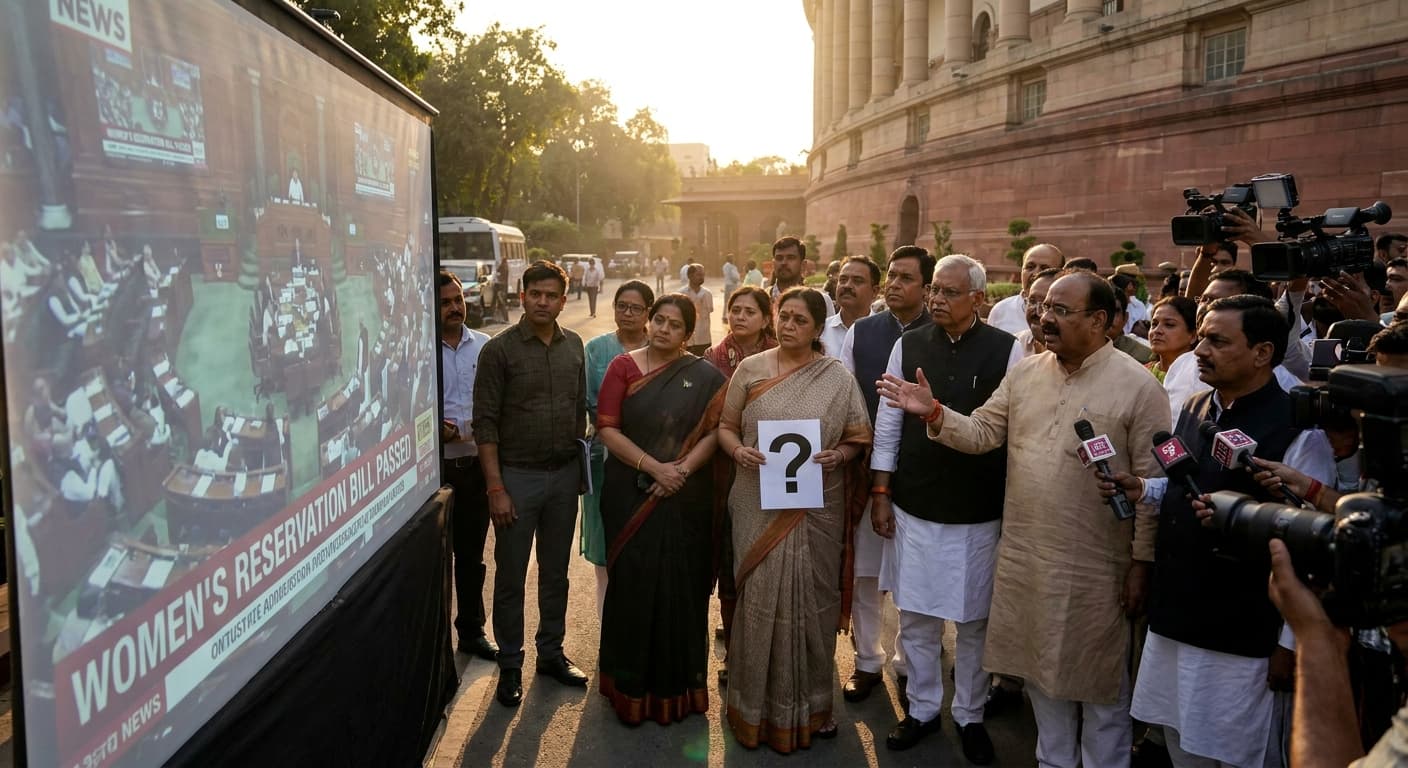
India's Parliament passed the women's reservation and delimitation bills, fueling opposition fears of political manipulation ahead of the next elections.

Conflict & Security
Drone Warfare Killing Aid Workers at Unprec
Over 1,000 humanitarian workers killed in three years as cheap armed drones collapse legal protections. Gaza, Sudan, Ukraine, and DRC see deliberate targeting of aid convoys and hospitals with zero prosecutions.