Opposition Defeats BJP's Women's Quota Bill
Opposition unites to challenge BJP's women's reservation claims
Model Diplomat3 min readIndia
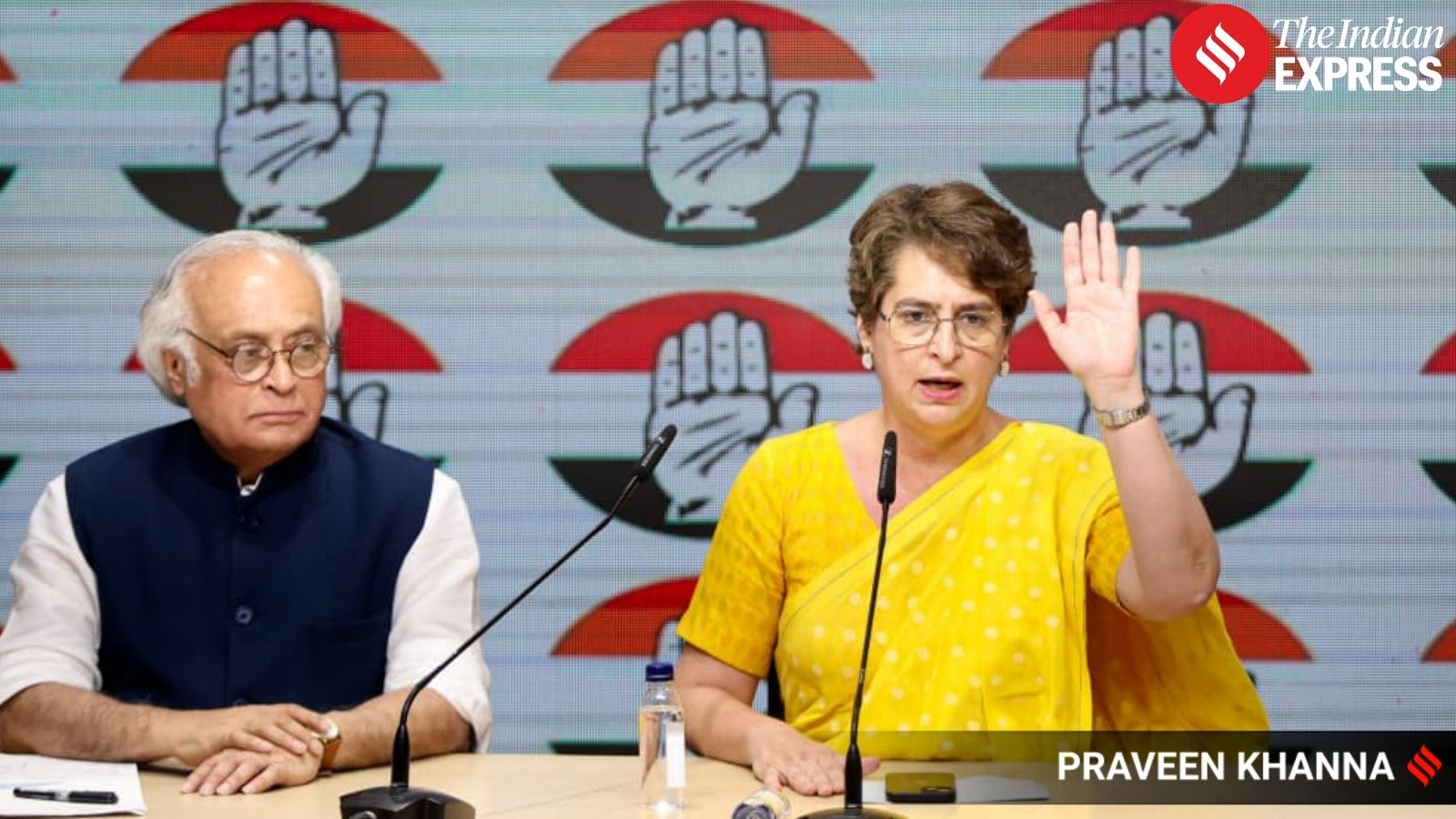
INDIA Opposition Turns Tables on BJP Over Women's Quota Bill Defeat
The Opposition unitedly defeated the BJP’s Constitution (131st Amendment) Bill on women’s reservation in the Lok Sabha, challenging the ruling party’s claim to be pro-women.
The BJP-led government suffered a strategic setback when the Constitution (131st Amendment) Bill, designed to accelerate women’s reservation in Lok Sabha seats through delimitation based on the 2011 Census, failed to secure the required two-thirds majority on April 17, 2026. While 298 MPs supported the bill, 230 opposed it and with 528 members present, it fell short of the 352 votes needed for constitutional amendment passage. This defeat marks a clear opposition victory in a high-stakes parliamentary drama The Hindu.
Context: Why This Matters Politically and Constitutionally
At face value, the women’s quota bill was pitched as a progressive move to increase female representation in Parliament—an electoral reform with potential ripple effects on Indian politics and governance. But opposition leaders framed the bill as a politically motivated attempt by the BJP to redraw electoral boundaries to its advantage. Rahul Gandhi described this as a constitutional attack, asserting the Opposition’s readiness to support genuine women’s rights legislation but resisting what they branded a gerrymandering effort disguised as reform The Hindu.
This episode exposes a rare moment of Opposition unity within the INDIA bloc, which now seeks to capitalize on the victory by coordinating a focused campaign against the BJP’s narrative of being the “pro-women” party. The BJP faces accusations of posturing on women’s empowerment while pursuing a political agenda that the Opposition claims manipulates democratic processes.
The strategic defeat has immediate political repercussions. The BJP plans a mass mobilization campaign to “expose the anti-woman mindset” of opponents and reclaim the narrative, with NDA women MPs already protesting the bill’s failure outside Parliament The Hindu. Meanwhile, the government withdrew related bills including the Union Territories Laws (Amendment) Bill and the Delimitation Bill, acknowledging the broader controversy engulfing this legislative package.
What to Watch Next
-
Opposition’s Coordinated Campaign: The INDIA bloc’s unity over this issue could signal deeper collaboration on future legislative battles, potentially increasing pressure on the BJP during upcoming state and national elections. Watch their next steps in framing the BJP as politically opportunistic rather than genuinely focused on women’s political empowerment.
-
BJP’s Political Recovery Strategy: The ruling party’s street-level mobilization and rhetoric around “anti-woman opposition” aims to energize its core base and contest the growing perception of electoral manipulation. Their success or failure here will shape the BJP’s political narrative going forward.
-
Broader Electoral Impact: The women’s quota bill was more than symbolic—it was tied to delimitation and electoral restructuring. The deadlock raises questions about the feasibility of such reforms under the current political climate and whether a new approach to women’s political representation might emerge.
This defeat exemplifies the complex interplay of gender politics, electoral engineering, and party strategy in India’s evolving democracy, underscoring how constitutional reform debates are battlegrounds for wider political contests. For those tracking Indian politics, it reveals the Opposition’s growing capability to challenge BJP dominance and the hurdles remaining for meaningful electoral reforms.
For more on India’s political dynamics, visit India and broader
Global Politics.
Discover more
India
Mamata Banerjee Critiques Modi's Women’s Quo
Mamata Banerjee's 37.9% women-MP rebuttal to Modi's jibe was factually sound but politically ineffective, leading to her loss in West Bengal.
India
Mamata Banerjee Blasts Modi on Women's Quota
Mamata Banerjee criticizes Modi's 'foeticide' remarks on women's reservation, but her political influence wanes as the BJP gains ground.
India
PM Modi Apologizes for Women's Quota Bill Def
PM Modi's apology after the Lok Sabha rejected the women's quota bill signals a calculated political strategy ahead of state elections.
India
Madhya Pradesh Assembly Redesign for Women's
Madhya Pradesh begins assembly delimitation ahead of the Women's Quota Bill, advancing a push for 33% female representation and reshaping state politics.