NTBs Now Dwarf Tariffs as Trade's Hidden Tax
Regulatory barriers overshadow customs duties in global trade.
Model Diplomat3 min readGlobal
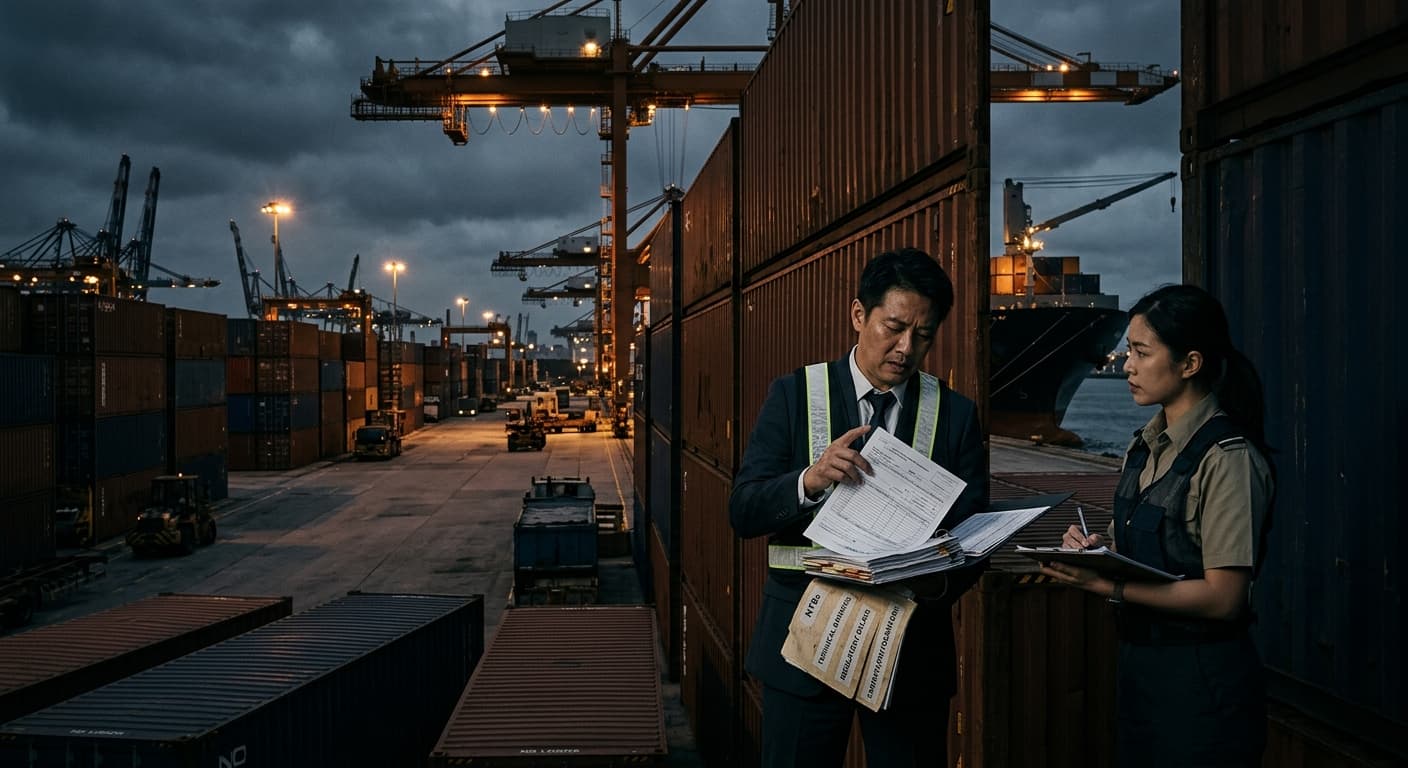
NTBs Now Dwarf Tariffs as Trade's Hidden Tax
Regulatory barriers have overtaken customs duties as the primary obstacle to global commerce—and developing nations face a double burden.
The Hindu published a key analysis this week laying bare a fundamental shift in how government protects domestic industry: tariffs no longer matter. What matters is whether your product can survive the laboratory and the lawyer's office.
The numbers tell the story. More than half of the 20,000 global product and safety regulations that exist today were introduced since 2000. In 2025 alone, governments filed over 7,700 notifications of non-tariff barriers (NTBs) with the World Trade Organization—a tenfold jump from 1995. Yet this explosion remains invisible to most policymakers fixated on tariff wars. The World Bank found that while tariffs have declined over 25 years, NTM frequency and restrictiveness have surged, particularly among high-income countries—which deploy them far more heavily than tariffs themselves.
The Real Barrier Is Compliance, Not Duty
Non-tariff barriers include technical regulations, environmental rules, health certifications, packaging standards, and testing procedures. They are not optional: an electronics component cannot enter the European Union without EU certification; a pharmaceutical cannot be sold in Indonesia without Indonesian registration. Unlike a tariff—a flat tax visible on any invoice—NTBs impose compliance costs that are fixed, hard to quantify, and often hidden until a shipment arrives.
The result is a system where market access is gated by regulatory capacity. According to the Financial Express, UNCTAD's latest report found that NTM-imposed export costs now exceed tariff costs for 88% of countries worldwide. For developing nations facing both higher tariffs and tougher regulatory hurdles, the burden is compounded.
The World Bank noted that smaller firms—disproportionately concentrated in emerging markets—face export exit when fixed compliance burdens make market entry uneconomical.
India illustrates the trap. Despite a free-trade agreement with ASEAN since 2010, preferential tariff utilization by Indian exporters remains below 50%. Why? The Hindu documents that Indonesian registration requirements block pharmaceutical exports, while Thai customs procedures force gems and jewels exporters to reroute through Hong Kong. Tariffs were already zero; regulations are what kills deals.
The Future: Binding Regulatory Commitments
India's newer trade agreements signal a recognition of this reality. The India-UAE Comprehensive Economic Partnership explicitly mandates automatic recognition of medicines approved by major global regulators. More importantly, the India-European Free Trade Agreement—set to take effect next year—makes NTB reduction a legally binding obligation for the first time. It includes a dedicated sub-committee on regulatory barriers and mandatory mutual recognition of standards, streamlining compliance that once forced duplicative testing and certification.
The Hindu Business Line reported that India's Ministry of Commerce has built mechanisms into the deal—early warning systems, rapid action protocols, and joint technical committees—to challenge regulations that restrict trade rather than protect health. The EU's reputation as a "regulatory superpower" means Indian exporters must upgrade quality standards, but Jain's point is sharp: legitimacy matters less than recognizing foreign standards equivalent.
This represents a structural shift in how trade gets negotiated. Tariff cuts, once the headline of any FTA, are now table stakes. The real bargaining happens in regulatory committees and scientific recognition protocols. The politics of trade still talks tariffs. The economics has already moved on.
What to watch: The India-EU FTA's implementation mechanics next year—whether the regulatory recognition clauses work in practice, and whether Indian MSMEs can actually achieve cost parity with EU producers on compliance. If they can, the model spreads to other agreements. If not, tariff elimination becomes window dressing.
Discover more
Global
Iran's Hormuz Strikes Shift Gulf Alliances
Iran's missile strikes in the Strait of Hormuz disrupt US-led security, empowering European and Gulf states to redefine maritime control.
Economics
Rupee Hits 95.47 Amid Corporate Arbitrage
The Indian rupee closed at 95.47 against the dollar, pressured by corporate arbitrage and forcing the RBI to defend its value with a $100 billion forward book.

Global
Bolivia ends dollar peg: new flexible rate
Bolivia abandons its dollar peg, moving to a managed float, impacting trade and inflation amid economic challenges.
Elections & Campaigns
Mexico's Foreign Policy Crisis Under Sheinba
AMLO's insular foreign policy has depleted Mexico's diplomatic arsenal, leaving Sheinbaum vulnerable to U.S. demands and military threats.