Norway Proposes Ban on Settlements Trade
Legislation aims to bar commerce with Israeli settlements.
Model Diplomat3 min readEurope
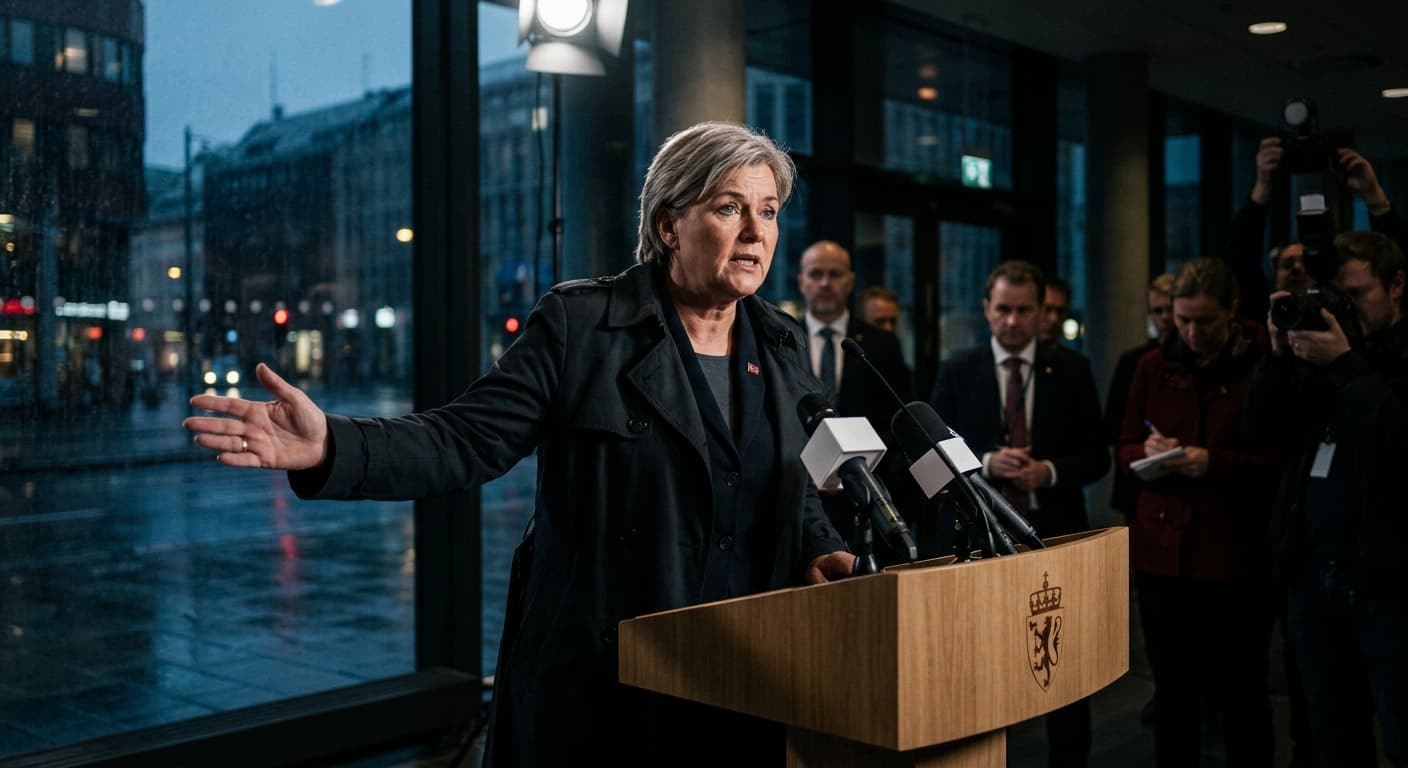
Norway Pushes Closer to Settlements Trade Ban
Nordic country advances legislative proposal to bar all commerce with Israeli settlements, escalating Western pressure beyond targeted sanctions.
Al Jazeera reported Friday that Norway's government says it will ban all trade with Israeli settlements on occupied Palestinian land, moving beyond the targeted sanctions six Western nations imposed a week earlier. The Ministry of Foreign Affairs has drafted legislation that would bar Norwegian citizens and companies from buying goods produced in settlements, as well as prohibit property transactions, construction services, and acquisition of commercial enterprises operating there. The bill enters a three-month public consultation period ending September 19.
Foreign Minister Espen Barth Eide framed the move as existential. "The Israeli settlements in Palestine are in breach of international law," he said in a statement. "They contribute to displacement, extreme violence and a situation that makes a peaceful solution impossible." This language tracks a pattern of escalating Western rhetoric: on June 9, the UK, Australia, Canada, France, and Norway had announced coordinated sanctions targeting networks financing settler violence, marking the first time European states moved beyond individual travel bans to restrict financial flows. Norway barred 20 settlers from entry; the UK, for the first time, explicitly advised British businesses against settlement activity.
What separates Norway's proposal from these earlier gestures is its breadth—a blanket legislative ban on trade, not guidance or targeted sanctions on individuals. The BBC noted that six entities and one individual faced asset freezes and travel restrictions. Oslo is attempting to codify what London merely advised.
The timing matters. Norway's announcement arrives as the EU itself struggles for consensus on settlements measures. In mid-June, the European Union could not agree on sanctions for far-right Israeli National Security Minister Ben-Gvir, with unanimity requirements blocking action. Yet EU foreign policy chief Kaja Kallas signaled the Commission would prepare "options for possible trade measures, including measures aimed at preventing imports of goods originating from illegal settlements." Norway is effectively pre-empting that deliberation at the national level.
The proposal faces legal and political headwinds. Israel's Foreign Ministry termed the move "disgraceful," framing it as imposing a political stance on Palestinian statehood rather than a response to violence. Al Jazeera reported that Israeli officials claimed it violated the "right of Jews to settle in the Land of Israel." The measure will also face pushback from pro-Israel interests in Norwegian business and politics during the consultation phase.
The substantive impact of a Norwegian ban alone remains limited—Norway's trade footprint in Israeli settlements is modest compared to the EU or US, and businesses can reroute through other jurisdictions. But Norway's move signals two things: first, the threshold for unilateral action against Israeli settlements is lowering among traditional allies of Israel, not rising; second, the gap between what Western capitals say about illegal settlements and what they enforce is closing. A Norwegian precedent creates pressure on larger economies—particularly EU members—to follow, or to justify publicly why they won't.
Watch for the September 19 consultation deadline and any amendments to the bill before parliamentary consideration. If Norway passes the measure broadly as drafted, expect UK and perhaps German legislators to face domestic pressure for comparable bans. Alternatively, should Israel intensify settlement expansion or settler violence during the three-month window, the momentum toward such measures could accelerate.
Discover more
India
UN Expert Albanese: India Violates Law
UN Rapporteur Francesca Albanese accuses India of breaching international law, spotlighting human rights concerns in Kashmir and prompting diplomatic pushback.

International Relations
Pakistan's Key Role in US-Israel-Iran Meddle
Pakistan is seeking to mediate the US-Israel-Iran conflict, balancing high-stakes diplomacy against severe economic pressures and steep regional challenges.

Global Politics
US Seizes Iranian Ship, Tensions Surge
The US seizure of the Iranian ship Touska highlights a shift in control over the Strait of Hormuz, favoring Iran's strategic position.

Conflict & Security
Drone Warfare Killing Aid Workers at Unprec
Over 1,000 humanitarian workers killed in three years as cheap armed drones collapse legal protections. Gaza, Sudan, Ukraine, and DRC see deliberate targeting of aid convoys and hospitals with zero prosecutions.