Niger Junta Bans French Media Outlets
Niger's junta restricts French media under national security guise
Model Diplomat2 min readAfrica
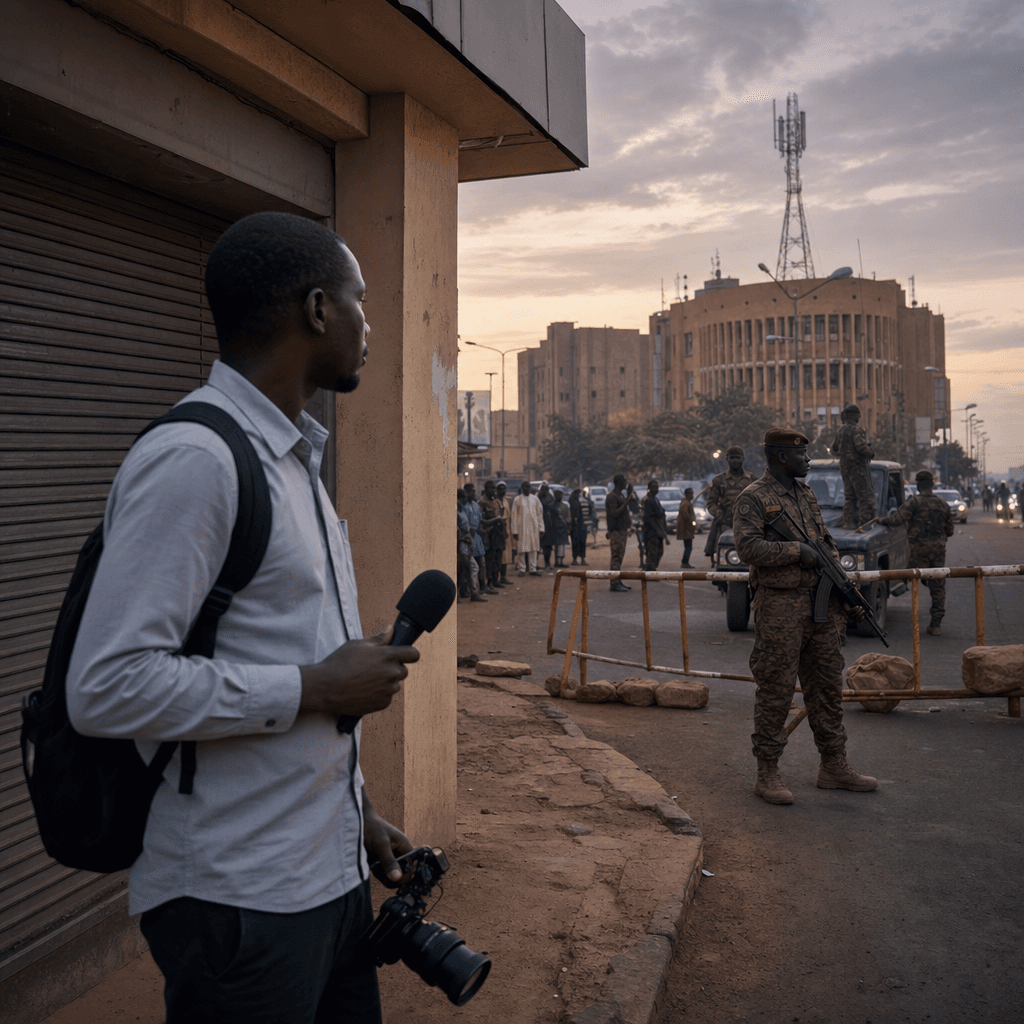
Niger’s French Media Ban Tightens Junta’s Grip
Niamey is using “national security” to shrink the information space and signal it can silence foreign scrutiny as well as domestic dissent.
An international advocacy backlash is the immediate consequence, but the real power move is by Niger’s junta, which on Saturday suspended nine French media outlets it accused of threatening “public order and national security,” according to The Washington Post and
Le Monde. Reporters Without Borders called the charges “fabricated” and warned of a coordinated assault on press freedom, AP reported via
The Washington Post. The outlets named include France 24, RFI, AFP, TV5 Monde, TF1 Info, Jeune Afrique and Mediapart, with the ban extending to satellite, cable, digital platforms, websites and apps, according to
Le Monde and
Euronews.
Why the junta is doing this
This is not a one-off media fight. It is part of Niger’s broader break with France and a governing model that treats independent reporting as a security threat. RFI and France 24 were already suspended after the July 2023 coup, and the BBC was later suspended in December 2024, according to Euronews and the BBC’s own coverage of that earlier ban (
BBC). That pattern matters more than the latest decree: once a junta learns it can define criticism as destabilization, the scope tends to widen from foreign broadcasters to local journalists, NGOs and online platforms.
For Niger’s rulers, the incentive is clear. Foreign media outlets offer the most visible external check on military rule, corruption claims and battlefield setbacks in a country fighting jihadist insurgencies. Closing them narrows the audience for rival narratives and reduces the cost of selective enforcement at home. The beneficiaries are the ruling officers and their information apparatus; the losers are Nigerien audiences, who lose access to alternative reporting in French and Hausa-linked distribution channels, as Euronews noted in describing the reach of earlier BBC programming.
The regional message
Niger is also sending a message beyond its borders. The move lands in a Sahel environment where junta-led governments are converging on the same playbook: claim sovereignty, accuse foreign outlets of disinformation, and tighten the domestic narrative. Euronews said Burkina Faso had just blocked TV5 Monde, underscoring that Niamey is not acting alone but inside a regional bloc that is increasingly hostile to French media and Western scrutiny. That raises the stakes for
Global Politics: this is not just about press freedom, but about who gets to define legitimacy in the post-coup Sahel.
What matters next is whether France, media owners, and regional bodies treat this as a reversible licensing dispute or as a structural attack on information access. Watch for two signals: whether Niamey lifts the ban after diplomatic pressure, and whether it expands enforcement against local journalists or platforms over the next few weeks. If the pattern holds, this will not be the last restriction—just the latest test of how far the junta can go before external costs start to bite.
Discover more

Global Politics
US Seizes Iranian Ship, Tensions Surge
The US seizure of the Iranian ship Touska highlights a shift in control over the Strait of Hormuz, favoring Iran's strategic position.

Economics
Fed's Amex AML order puts correspondent banking on notice
Federal Reserve's Amex AML order requires board-level controls and a 90-day plan; OCC fined the bank $350 million over enterprise-wide deficiencies.
Conflict & Security
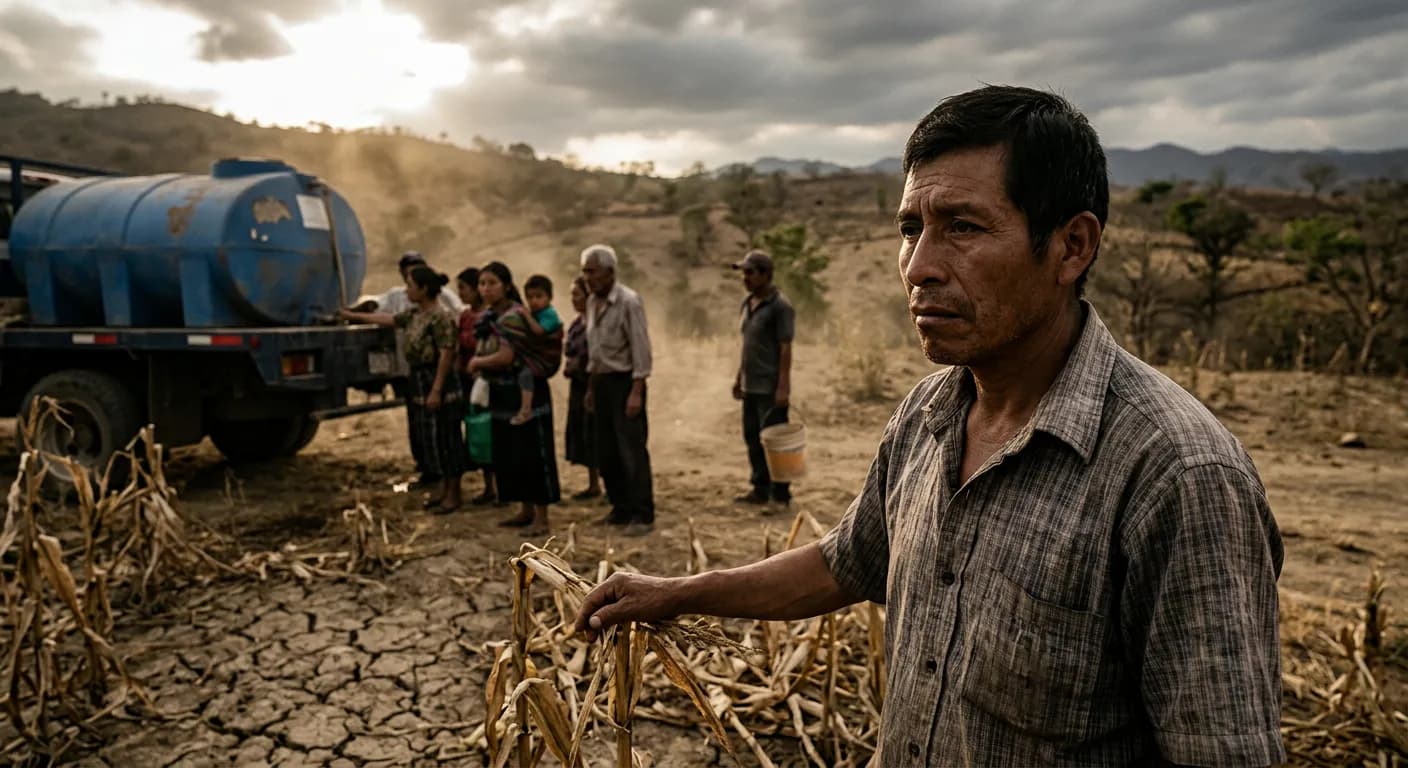
Guatemala: El Niño 2026–27 becomes regional security test
UNICEF: 25.8M children face El Niño risks in Latin America; Guatemala maps 188 municipalities for drought and food insecurity amid regional security test.

Economics
Fed's stress-test overhaul is a capital-smoothing exercise
Federal Reserve finalized stress-test overhaul: two-year averaging for bank capital buffers and public input, expected to halve volatility.