Netanyahu's Stance on Iran War and Hormuz
Netanyahu pressures Washington while Europe seeks Hormuz security.
Model Diplomat3 min readMiddle East
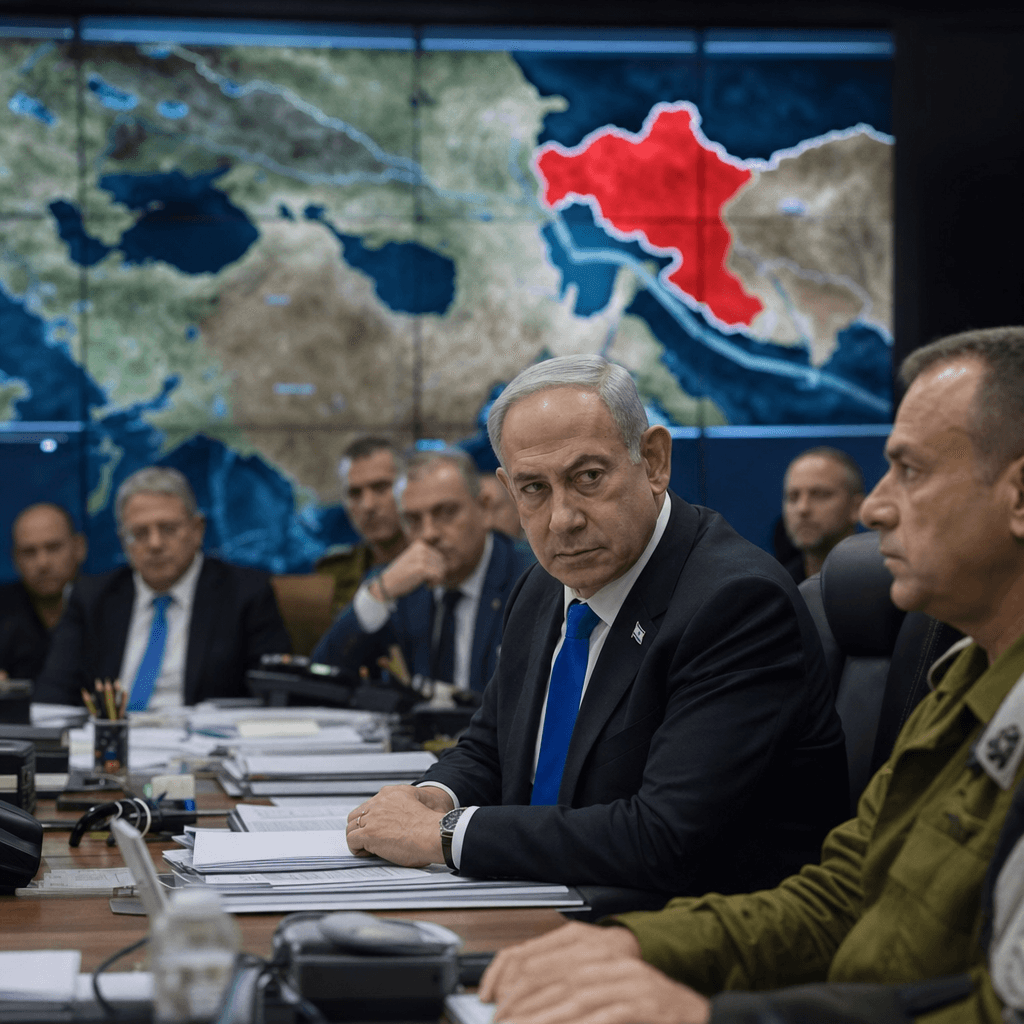
Netanyahu Keeps Iran War Open as Hormuz Talks Stall
Netanyahu is refusing to declare victory, using the uranium file to keep pressure on Washington while Europe scrambles to protect Hormuz and preserve a deal track.
Benjamin Netanyahu told CBS the war with Iran “is not finished,” arguing that remaining enriched uranium and enrichment sites still have to be removed, and casting Iran’s regional proxies as a collapsing scaffold if Tehran falls (France 24;
Le Parisien). That is the power play: Israel is trying to define the end state, not just the battlefield outcome. As long as Netanyahu says the core problem is still unresolved, he can resist any diplomatic stop that leaves Iran’s stockpile or enrichment infrastructure intact.
The leverage split
Israel’s leverage is military escalation and the claim that the nuclear file remains incomplete. Tehran’s leverage is the Strait of Hormuz, where it has tightened controls and forced Washington and its partners to think in shipping, insurance and oil terms rather than battlefield terms (Boursorama;
Al Jazeera). That is why the negotiations are stuck: Israel wants the uranium removed, Iran wants sovereignty over enrichment and relief from pressure, and neither side is willing to concede the central source of leverage.
Iran has reportedly answered the latest US proposal through Pakistani mediation, focusing on ending the war on all fronts — especially Lebanon — and on maritime security, while leaving the nuclear dispute unresolved (Boursorama). Donald Trump, meanwhile, says talks with Tehran have been “very good” and that the war could end quickly, but Iranian officials still describe enrichment as non-negotiable (
Al Jazeera;
BBC News). The gap is simple: Washington wants a broader settlement that limits Iran’s nuclear and maritime leverage; Tehran wants sanctions relief and recognition that it will not be disarmed on demand.
Europe is trying to buy time
France and Britain are moving to create a coalition to secure Hormuz, with their defense ministers due to co-chair a video meeting with countries willing to contribute to a mission (France 24). Emmanuel Macron has also said Paris has not planned a deployment in Hormuz, but is considering a security mission coordinated with Iran itself, which shows how narrow Europe’s room for maneuver is (
Boursorama). For policymakers tracking the wider stakes, this is a
Global Politics problem with an energy-market trigger.
The immediate beneficiaries are Israel, if it can keep the nuclear issue at the center of US policy, and the shipping states that want protection without a fresh war. The losers are the mediators: Pakistan, which is carrying messages; France and Britain, which can organize a coalition but cannot force Iran to open the waterway; and Gulf economies exposed to higher freight and insurance costs (Boursorama;
BBC News).
What to watch next
The next decision point is Washington on 14-15 May, when further US-Iran talks are expected (Boursorama). If those talks stall again, the pressure shifts back to maritime enforcement in Hormuz and to Israel’s campaign against Iran’s remaining nuclear assets. If they move, the real test will be whether Tehran accepts any transfer or monitoring arrangement on its enriched uranium — the line Netanyahu has now made synonymous with whether the war actually ends (
Le Parisien;
Al Jazeera).
Discover more
Global
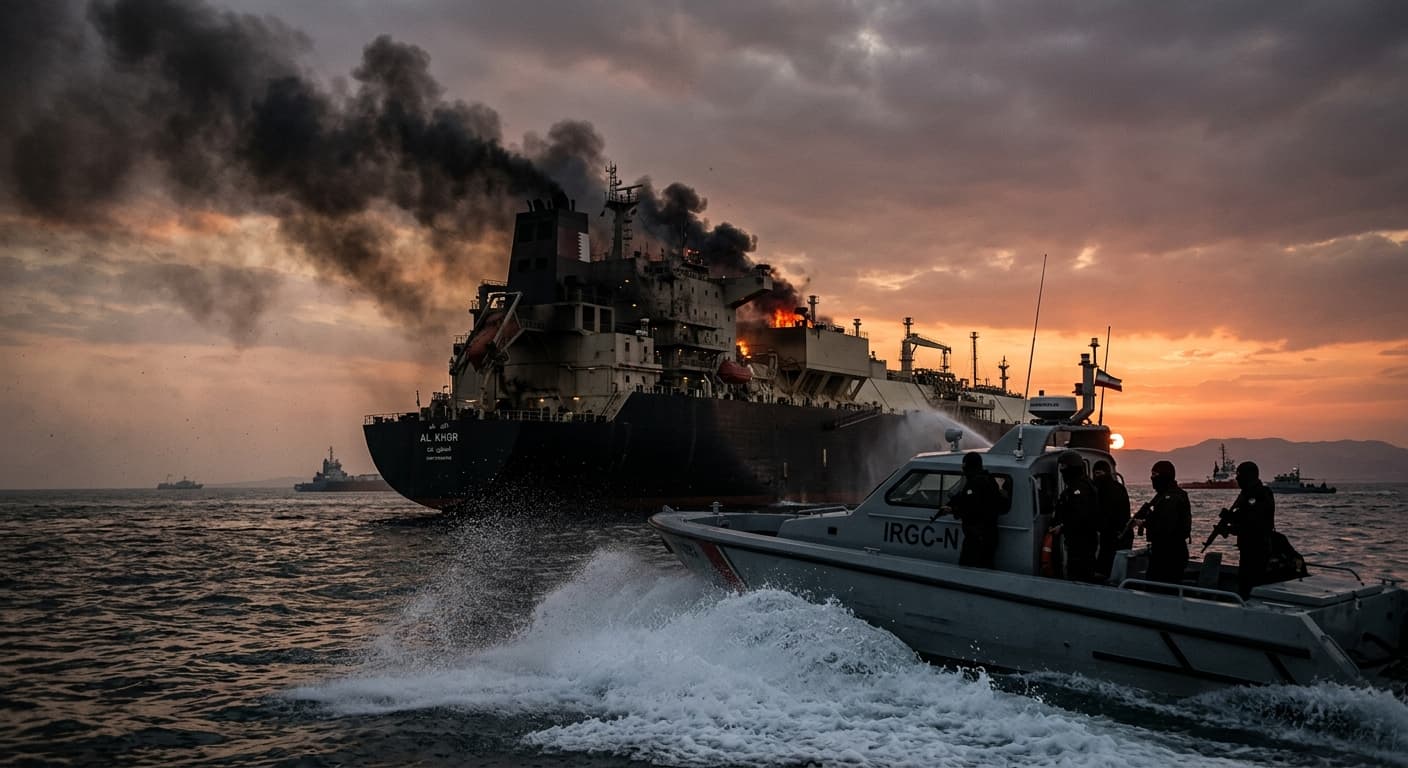
Qatari Tanker Strike Exposes Hormuz Tensions
A Qatari tanker was struck off Oman, revealing the fragility of the Hormuz ceasefire and Iran's influence over maritime security.
Global
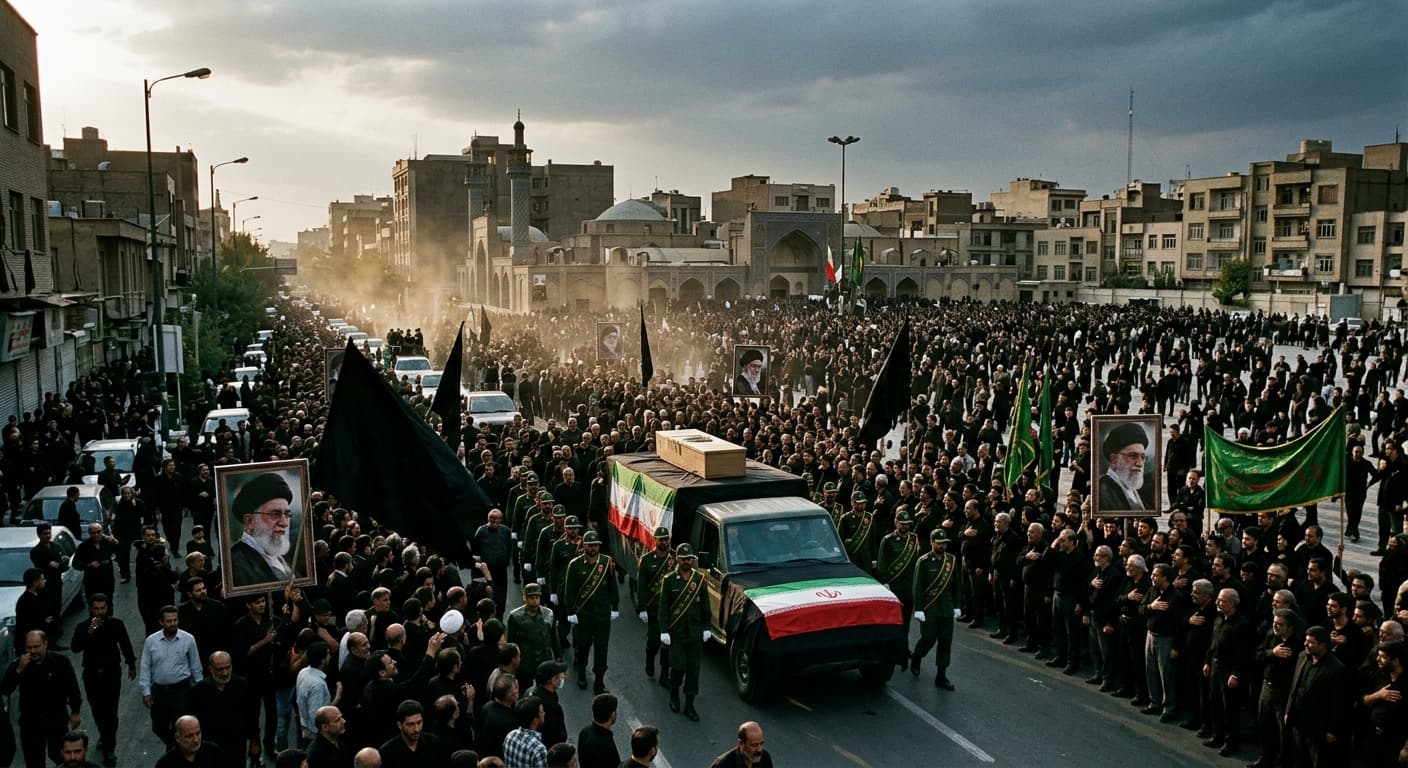
Khamenei's Funeral Signals Iran's Decline
The funeral of Ayatollah Khamenei highlights Iran's diminished influence in the Gulf, with regional powers now dictating terms.
Global
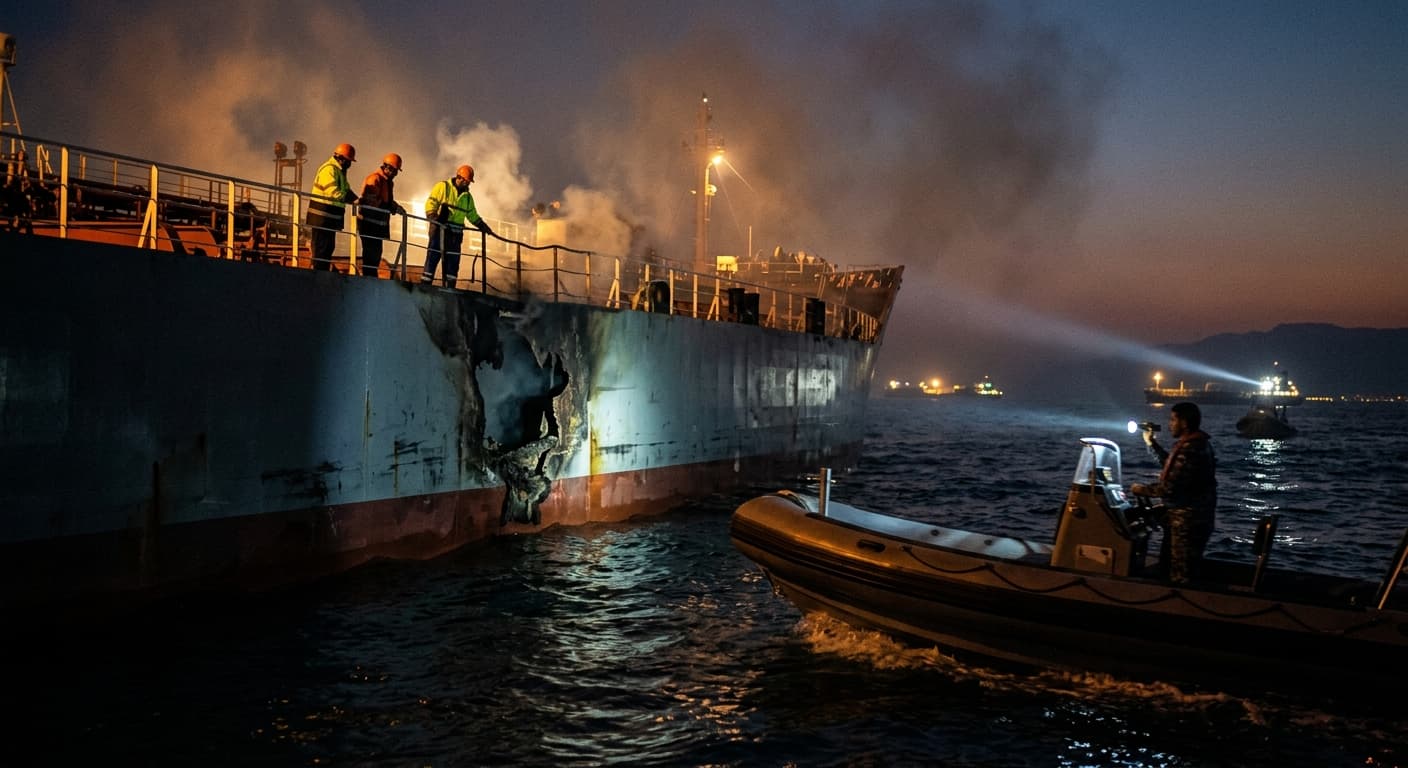
Iran's Hormuz Missile Strikes: A Toll Booth
Iran's missile attack on a Qatari-linked tanker highlights Tehran's strategy to control the Strait of Hormuz, impacting Gulf states and maritime law.

Tech Policy
Iran's Cavern Manticore Targets Israel's IT
Cavern Manticore, an Iran-linked hacking group, targets Israeli IT vendors, prompting a shift in Israel's cybersecurity policy and legislative efforts.