NEET Row Puts Modi, Pradhan on the Defensive
[Congress accuses the Centre of a cover-up as NTA tells MPs the NEET paper was not leaked through its system and the June 21 re-test looms.]
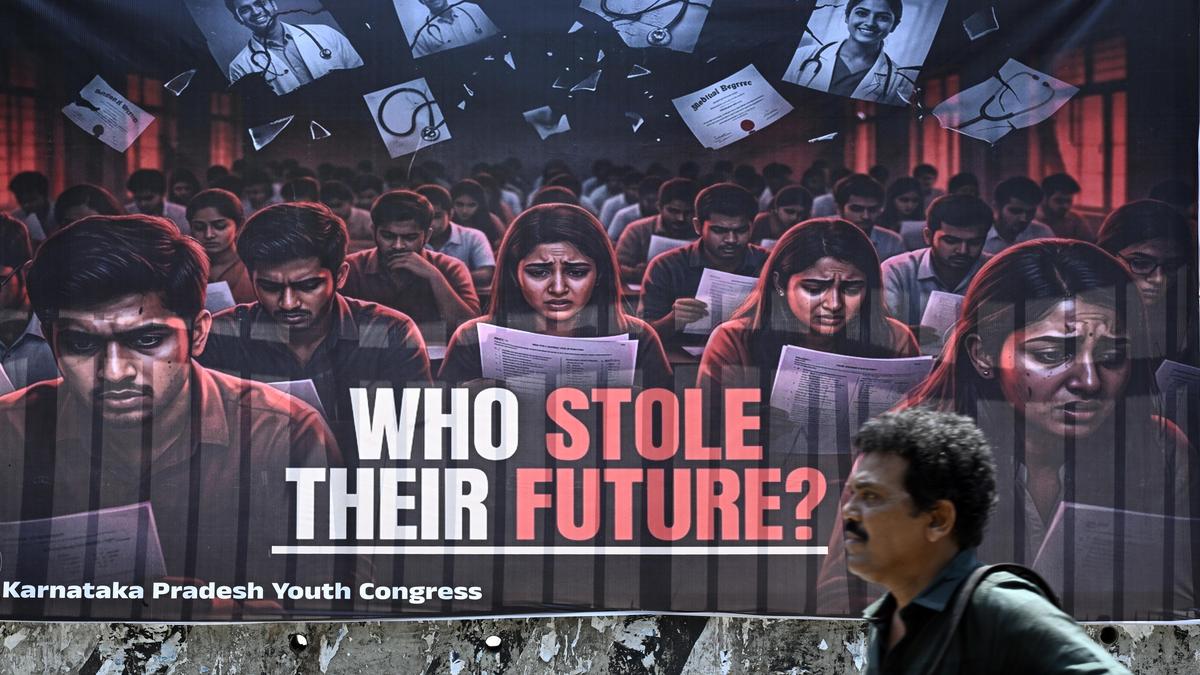
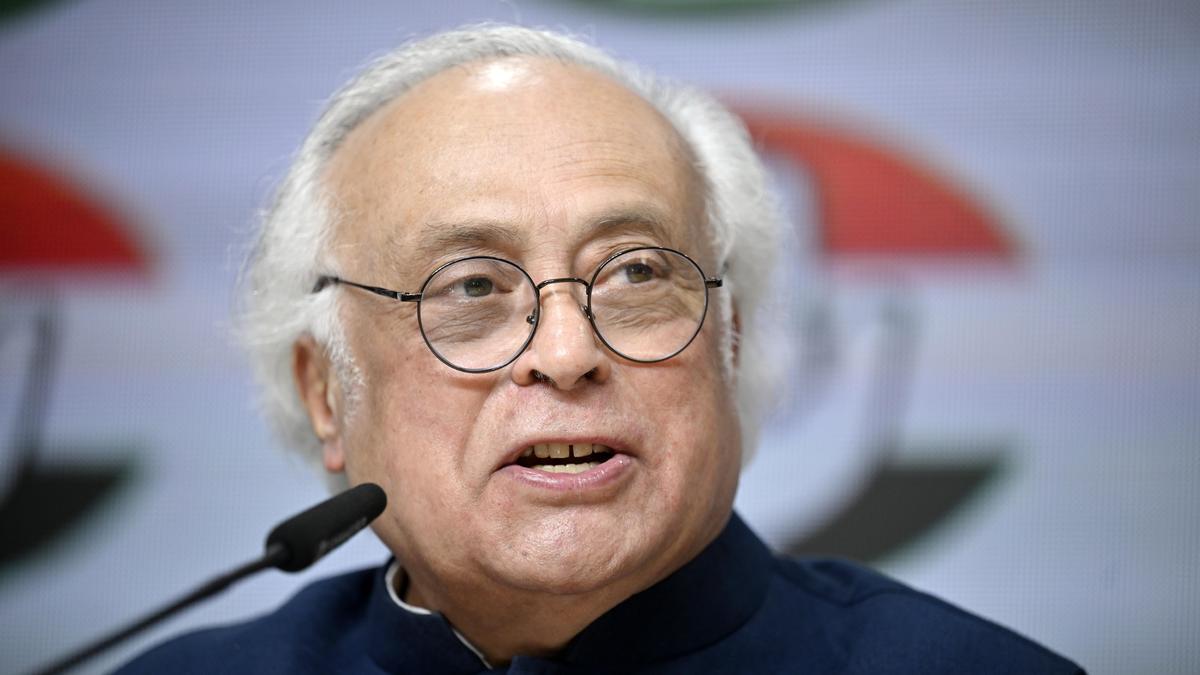
Congress is trying to turn the NEET controversy into a question of ministerial responsibility, not just exam administration. After NTA officials told a parliamentary panel that the NEET-UG paper was “not leaked” through the agency’s system, Jairam Ramesh said both the “Pradhan Mantri” and the “Mantri Pradhan” must answer for the “cover up,” and described the NTA as a “National Trauma Agency” ( The Hindu). That is a deliberate escalation: Congress is aiming above the testing agency and toward the political chain of command in the Education Ministry and the Prime Minister’s Office. For the wider political context, see
  India.
Why Congress is widening the target
The opposition’s logic is straightforward: if a paper can circulate as a “guess paper” before the exam, then the problem is not just one rogue leak but the credibility of the system that allowed it. Ramesh argued that a “guess paper” with dozens of matching questions was already circulating before the test, and he linked the current scandal to the 2024 NEET irregularities and a closure report in the UGC-NET case (The Hindu). Politically, this matters because Congress is not only defending students; it is trying to make the government own the institutional failure that keeps recurring under the NTA.
That framing is useful to the opposition because it collapses the distinction between “agency failure” and “government failure.” If the ministry controls appointments, supervises reform, and then steps in after the scandal, the minister cannot claim the NTA is a firewall. The same story also gives Congress a clean attack line: the government promised reforms after 2024, yet the same exam pipeline is back in crisis (The Hindu).
Why the NTA’s denial does not end the story
The NTA’s defense is narrow: it is saying the leak did not come through its own system, while the CBI investigates the wider case. That line was echoed in parliamentary questioning on Thursday, where NTA chief Abhishek Singh told MPs the paper was not leaked through the agency’s system and referred the matter to the CBI ( The Tribune). But politically, a denial is not a resolution. The exam was already cancelled, and the re-test is scheduled for June 21, after the NTA announced the fresh date on May 15 (The Hindu).
That creates a classic accountability gap: the agency is trying to preserve procedural legitimacy while the opposition is attacking political legitimacy. The government also knows the stakes are bigger than one entrance test. NEET is the gateway to medical admissions for lakhs of students, so any perception of compromised fairness has direct electoral resonance among middle-class and aspirational voters. The administration’s promise to shift NEET to computer-based testing from next year is a signal that it understands the old pen-and-paper model is politically expensive, but it also admits the current safeguards are not trusted (The Hindu).
What to watch next
The next pressure point is the CBI probe and whether it produces a narrative that goes beyond “local malpractice” and confirms systemic failure. The other date that matters is June 21: if the re-test is smooth, the government can argue it restored control; if it is marred by fresh allegations, Congress will have a much stronger case that the problem sits at the top, not the bottom. The real contest now is over who gets to define NEET: a failed exam, or a failed regime.