Kerala Fisheries Row Shows Who Speaks for the Coast
The Church wants a Latin Catholic voice in Kerala’s fisheries ministry; fishworkers’ unions are rejecting identity politics and pushing the government toward delivery.
The latest fight over Kerala’s fisheries portfolio is not really about one minister’s religion. It is about who gets to claim the coastal vote bank and who can turn that claim into leverage over the new UDF government. The Hindu reported that the CITU-affiliated Matsya Thozhilali Federation accused the Latin Catholic Church of pushing a “communal narrative” after the Church objected to the portfolio being denied to a Latin Catholic representative and to the IUML’s V.E. Abdul Gafoor taking charge ( The Hindu).
A cabinet slot, but also a bargaining chip
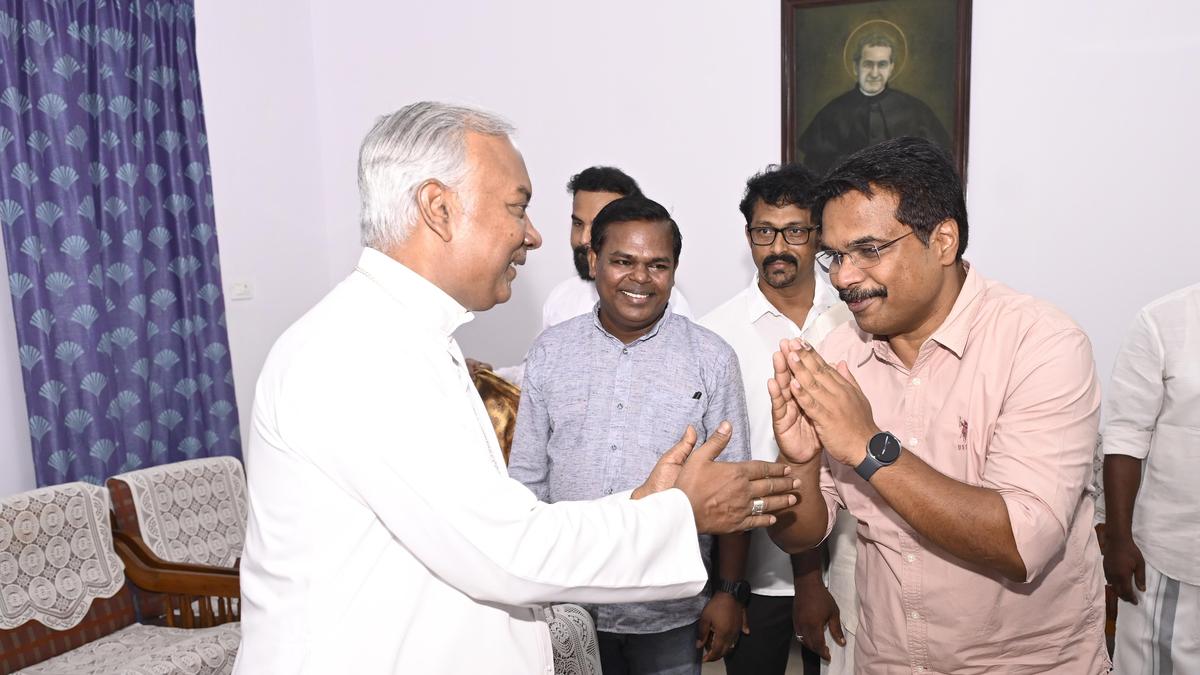
The dispute matters because the fisheries ministry in Kerala is tied to a dense bundle of coastal grievances: sea erosion, harbour safety, fuel subsidies, rehabilitation, and the annual trawling ban. After the backlash, Gafoor visited the Latin Archdiocese and met Archbishop Thomas J. Netto, but Church leaders said it was too early to say the rift had healed (The Hindu;  The New Indian Express).
That reaction shows the Church is not just seeking symbolism. It is trying to convert its coastal weight into policy influence. The Hindu said Church leaders argued that nearly 80% of fisherfolk and coastal residents belong to the Latin Catholic community and that the community had backed the UDF in key constituencies such as Thiruvananthapuram and Kovalam (The Hindu). In other words, the Church is saying representation should follow mobilized votes.
Why the union pushed back
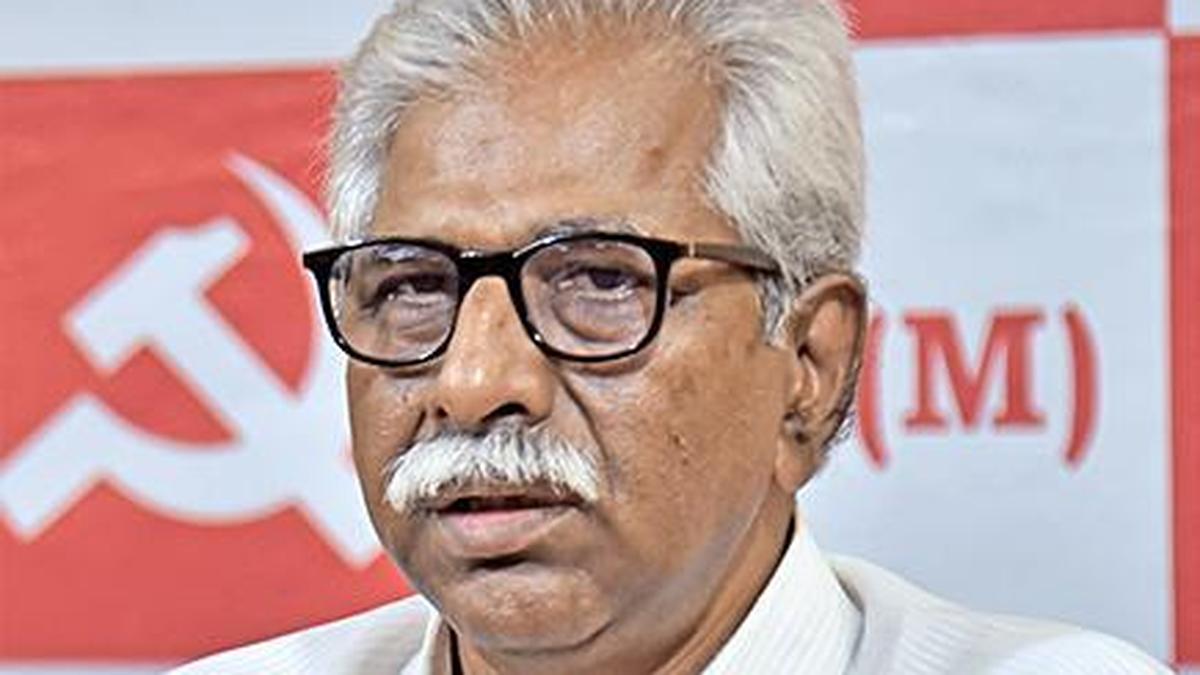
The union’s counterattack is politically useful for the UDF. By framing the issue as a workplace and welfare question rather than a community entitlement, the CITU affiliate is helping the government resist a hard ethnicized claim while keeping the debate on service delivery. P.P. Chitharanjan told The Hindu that fishing is a shared livelihood across Christians, Hindus and Muslims, and that identity-based divisions would weaken collective labour at sea (The Hindu).
That framing also points to the real pressure point: the Church can boycott a swearing-in, but it cannot fix Kerala’s coast by itself. The New Indian Express reported that the Church wants sea walls in erosion-hit areas, full implementation of the Vizhinjam-linked rehabilitation package, and a solution to repeated accidents at Muthalapozhi harbour, where official figures cited at least 14 deaths and around 150 accidents since 2022 (The New Indian Express). Those are the issues that will decide whether the Church can translate grievance into lasting leverage.
What to watch next
The next test is whether Abdul Gafoor can put money and timelines behind his conciliatory visit before the southwest monsoon tightens the pressure on fishers and coastal residents. If the government moves on subsidies, harbour safety and erosion control, the portfolio row fades into a managed coalition dispute. If it stalls, the Latin Church will keep the moral high ground — and the UDF will keep paying for a cabinet choice that exposed how politically sensitive Kerala’s coast remains. For broader coalition arithmetic, see  India.