Modi's Women's Quota Bill Fails
Modi blames opposition for blocking women's reservation bill
Model Diplomat3 min readAsia
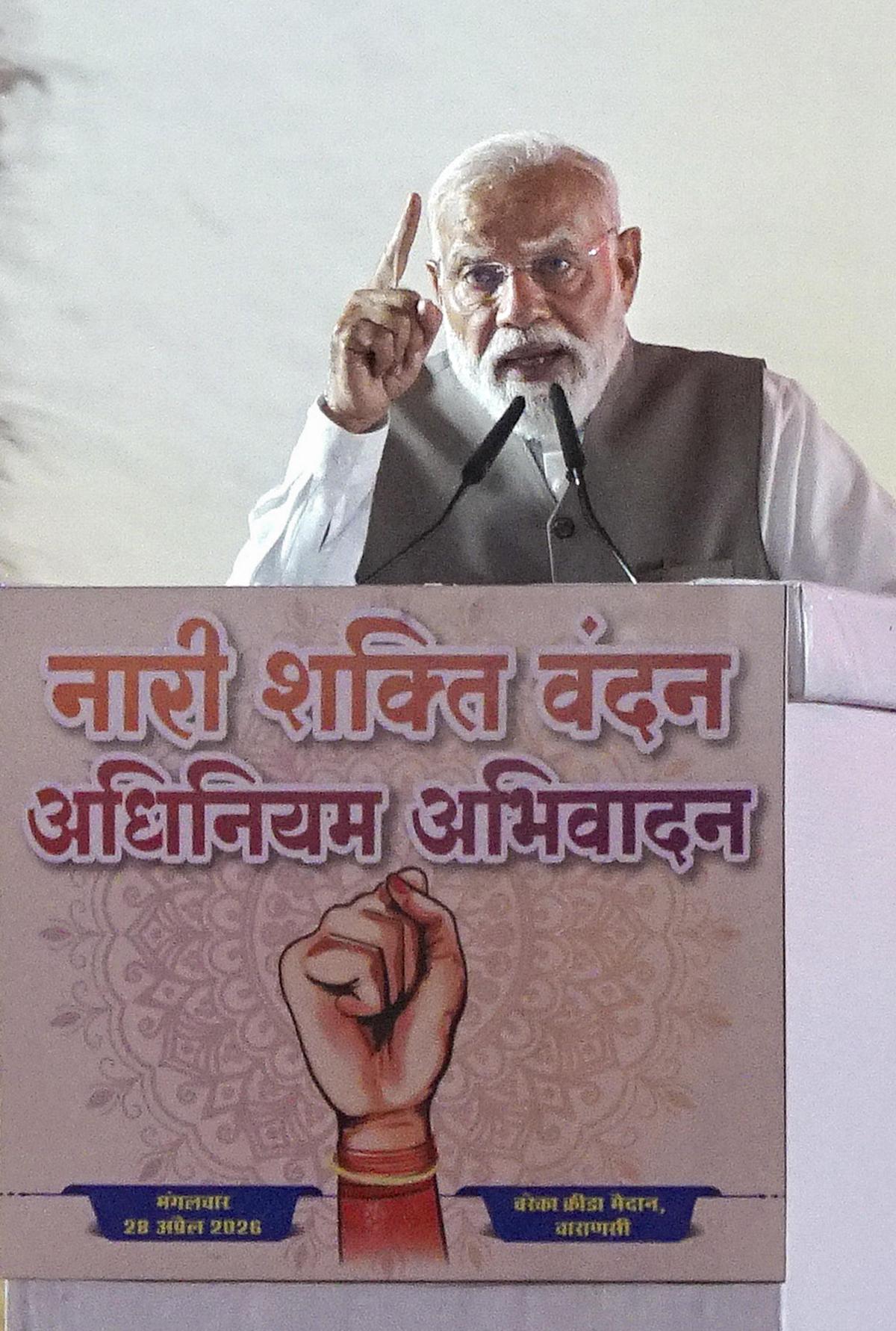
Modi's Women's Quota Gambit Fails — But the Rhetoric Sharpens
Modi uses the bill's Lok Sabha defeat on April 17 as electoral fuel, blaming "dynastic" parties while the implementation clock ticks toward 2029.
Prime Minister Narendra Modi, speaking at a Mahila Sammelan in Varanasi on April 28, accused "pariwarvaadi" (dynastic) parties — naming Congress and Samajwadi Party — of deliberately blocking women from reaching Parliament and state assemblies. The speech arrives less than two weeks after a Constitution Amendment Bill to operationalize women's reservation was defeated in the Lok Sabha on April 17: 298 in favour, 230 against — short of the two-thirds majority of 352 required to pass.
The Architecture of the Failure
The BJP's own legislative strategy handed the opposition its best weapon. Rather than moving a clean women's reservation bill, the Constitution (131st Amendment) Bill, 2026 was bundled with two ordinary bills — one to create a delimitation mechanism, another to extend provisions to Union Territories. The package would have expanded Lok Sabha seats from 543 to 816, with 273 reserved for women, sidestepping the zero-sum optics of displacing sitting male MPs.
Congress, DMK, CPI(M), and SP voted against, framing the delimitation linkage as an electoral map power-grab disproportionately punishing southern states that had controlled population growth. Congress supports the 33% quota in principle but demands it be decoupled from delimitation — a position with genuine federal logic, and also one that denies the BJP a legislative win before Bihar state elections.
Home Minister Amit Shah complicated matters further by explicitly ruling out religion-based sub-quotas for Muslim women — a direct rejection of demands from SP's Akhilesh Yadav — ensuring that bloc's opposition held firm.
Who Wins the Blame Game
The BJP's framing — that dynastic parties sacrifice women's political power to protect family fiefdoms — is tactically sharp for India's electoral cycle. It targets Congress's Nehru-Gandhi lineage and SP's Yadav clan directly, and it resonates in Purvanchal, where Modi chose Varanasi as the venue. The original Women's Reservation Act (106th Amendment, 2023) was passed by the BJP government but deliberately deferred implementation to post-census, post-delimitation conditions. The opposition can credibly counter that the BJP is the party that built in the delay.
The real losers in the short term are Indian women in politics: representation in the Lok Sabha sits at roughly 15%, among the lowest for major democracies. The bill's defeat means the 2029 election target is now in serious doubt — the delimitation exercise alone requires years of groundwork.
On international benchmarks, the stall is consequential: India ranks 148th globally in women's parliamentary representation per IPU data.
What to Watch Next
Bihar assembly elections are the immediate forcing function. Both BJP and opposition will weaponize the women's quota narrative through that campaign. Watch whether the government reintroduces a stripped-down, delimitation-free version of the bill — the cleaner path to passage — or holds the bundled package as a long-game electoral wedge. Shah's next move on delimitation timelines (tied to the 2011 Census baseline) will signal which play the BJP is actually running.
Discover more
India
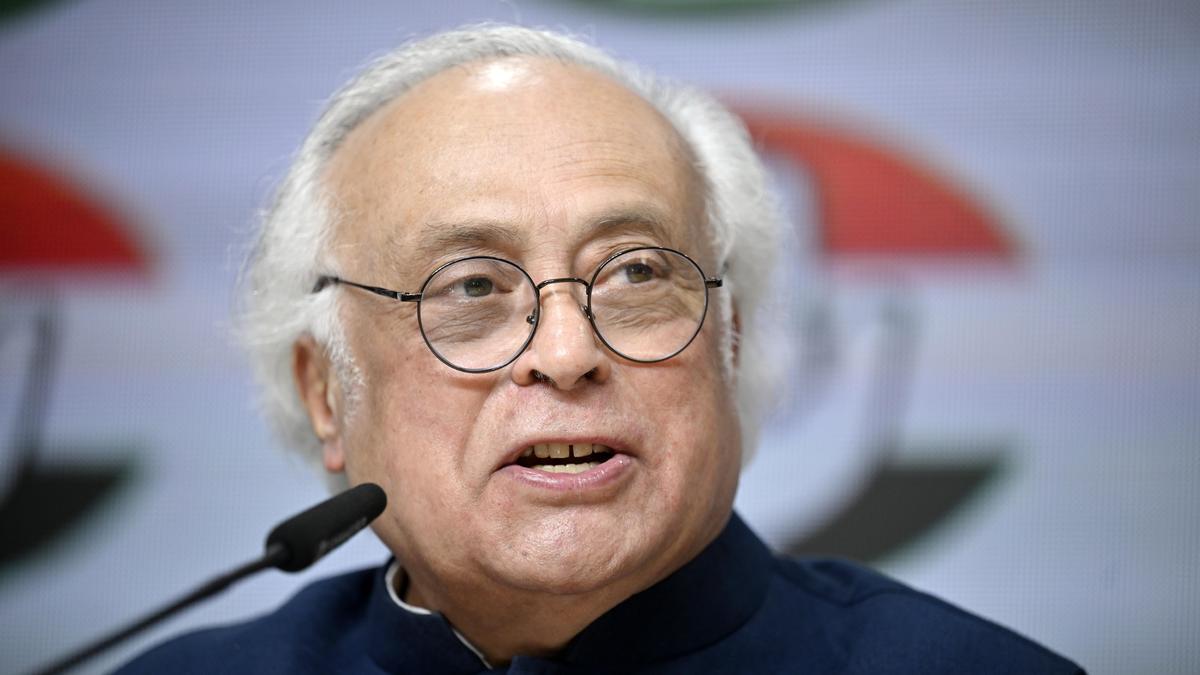
Congress Accuses Modi of Stalling Women's Law
Congress accuses Modi of stalling women's reservation law by linking it to delimitation, revealing a deeper electoral strategy.
India
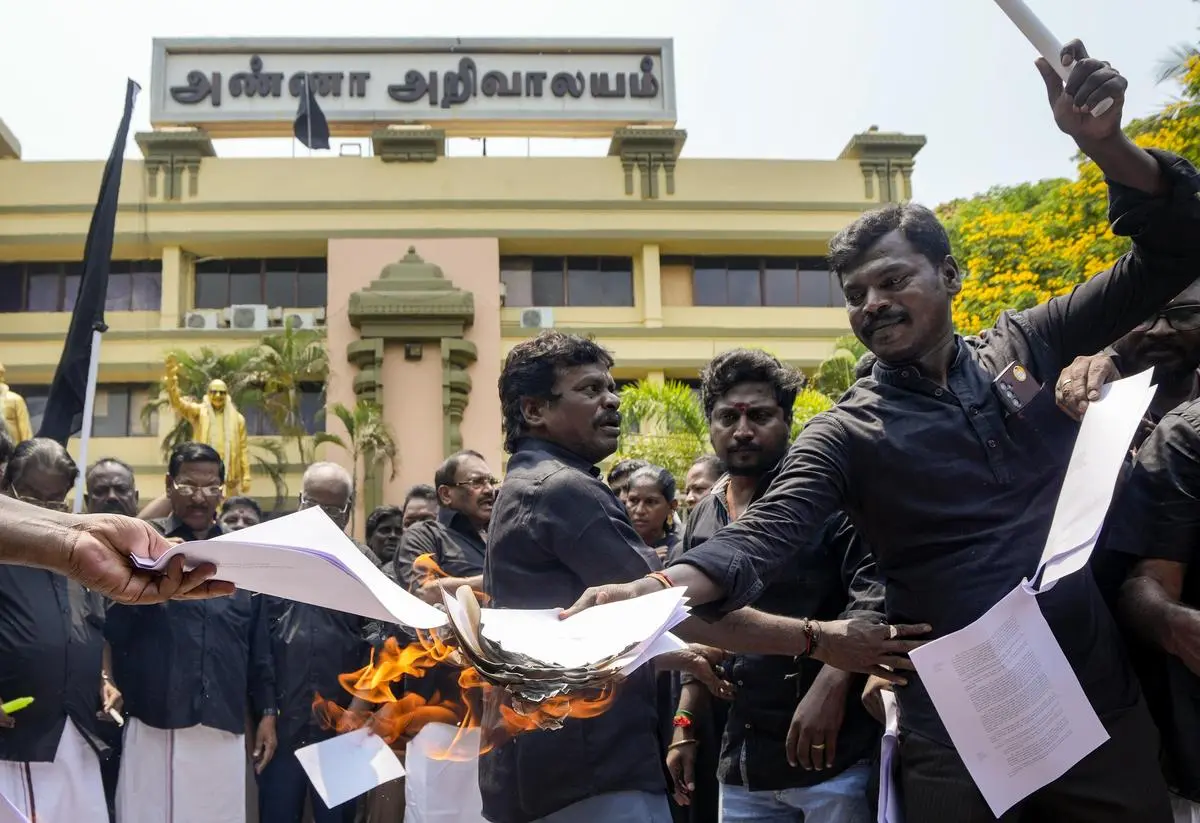
Women’s Reservation Bill 2026
The Constitution (131st Amendment) Bill, 2026 was defeated in Lok Sabha, revealing deeper political conflicts over women's reservation and delimitation.

Conflict & Security
Drone Warfare Killing Aid Workers at Unprec
Over 1,000 humanitarian workers killed in three years as cheap armed drones collapse legal protections. Gaza, Sudan, Ukraine, and DRC see deliberate targeting of aid convoys and hospitals with zero prosecutions.

Global
World Normalises Taliban as Afghan Women Eras
UN data shows Afghan women erased from public life as Russia recognises the Taliban, EU hosts officials in Brussels, and ICC warrants for gender persecution go unenforced.