Modi's Response to Women's Reservation Bill
PM Modi criticizes opposition after women's bill fails in Lok Sabha
Model Diplomat3 min readIndia
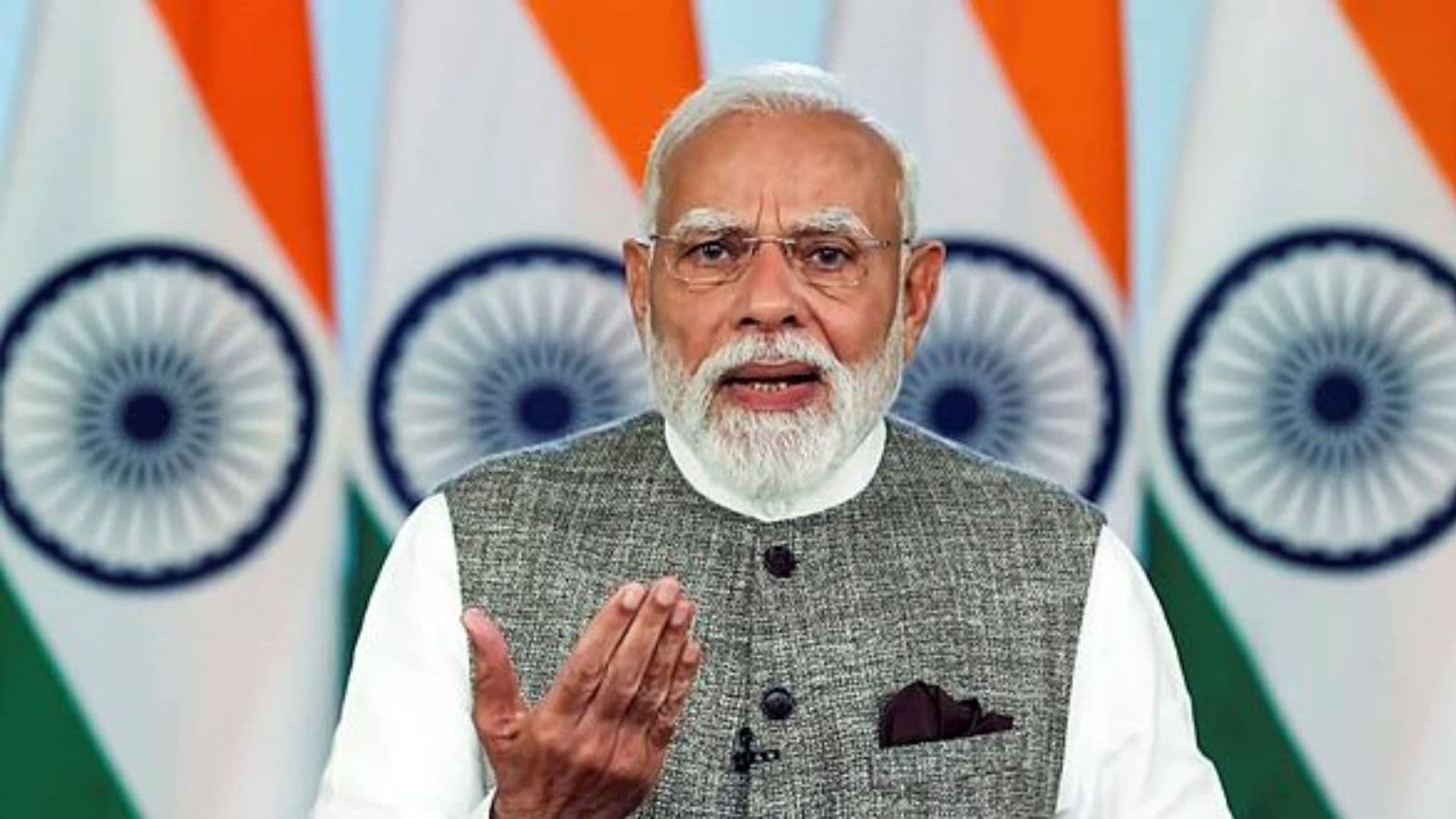
PM Modi's Sharp Reprimand After Women’s Reservation Bill Defeat
PM Modi slammed the opposition as "anti-reform" and accused Congress of "Bhroon Hatya" (foeticide) after the Constitution (131st Amendment) Bill, aimed at reserving one-third of legislative seats for women, failed in the Lok Sabha.
On April 17, 2026, India’s Lok Sabha narrowly rejected the Constitution (131st Amendment) Bill 2026, designed to reserve 33% of seats in Parliament and state assemblies for women by 2029. Although 298 members voted in favor and 230 against, the bill fell short of the required two-thirds majority (352 votes). The bill was tied to a larger delimitation package intended to redraw electoral boundaries and increase Lok Sabha seats. The defeat compelled the government to halt its push on this and two related bills for the time being.
Why This Bill Mattered
Women’s reservation has long been a contentious and symbolic reform in India. The Constitution (131st Amendment) Bill sought to finally enshrine the 33% quota for women in legislatures, a promise overdue since similar bills languished in Parliament for decades.
The bill’s linkage to the delimitation exercise elevated the stakes. Delimitation is a politically charged issue — redrawing constituencies affects regional and party balances of power, particularly for southern, northeastern, and smaller states. Opposition parties saw the government’s move as a strategy to strengthen ruling party dominance and disrupt federal power dynamics under the guise of gender justice.
Prime Minister Narendra Modi’s response was blistering. He accused Congress and other opposition parties of obstructing progress on women’s representation. He used the term “Bhroon Hatya” (foeticide) to label their opposition, casting it as a moral failing akin to killing an unborn idea of women's empowerment. Modi framed the bill’s defeat not just as a legislative setback but as an ideological battle: his government is “pro-reform” and “pro-women,” while the opposition is “anti-reform” and regressive.
From the opposition perspective, the bill’s conflation with delimitation was unacceptable. Congress leaders, including Priyanka Gandhi Vadra, labeled it a conspiracy to undermine federalism and centralize power in the ruling NDA government. Rahul Gandhi said it diminished representation for key regions and was “anti-national.” The unified opposition pride themselves on defeating a move they view as politically motivated, not principled opposition to women’s reservation per se. They emphasize support for implementing reservation with the current parliamentary structure instead.
The Broader Implications
This defeat exposes inherent tensions between gender justice and India’s federal political architecture. Women’s reservation is popular in principle, but linking it to delimitation politicized and polarized the reform. It risks alienating regional parties and states that perceive a loss of influence.
For Modi and the NDA, the loss is a blow to their reformist image and legislative momentum. Modi’s forceful rhetoric signals that the government will aggressively pursue alternative pathways to the same goal, possibly attempting to decouple delimitation from reservation or offering incentives to skeptical parties.
The opposition’s victory also strengthens their narrative of standing for federalism and checks on central power. It highlights an emerging political strategy to stall major structural reforms unless opposition interests are accommodated.
What to Watch Next
The government now faces pressure to innovate. Will they push an independent women’s reservation bill, removing the divisive delimitation link? Will they seek backroom deals with key regional parties to break the opposition unity? The handling of delimitation, now stalled, remains a wildcard in India’s evolving electoral landscape.
Modi’s sharp attack suggests the ruling party will not retreat quietly. How opposition parties respond to this rhetorical escalation will shape political discourse leading into upcoming elections.
This episode illustrates that even broadly supported reforms can become battlegrounds for India’s deeper struggles over power distribution and democratic representation. For those following India’s political trajectory, watching the interplay between gender, federalism, and electoral reform offers key insights into where the country’s democracy is headed.
For context on Indian politics, see India and
Global Politics.
Sources:
Discover more

India
INDIA Bloc's Delimitation Strategy
The INDIA bloc is using delimitation and women's reservation to challenge the BJP's federalism narrative, setting up a high-stakes fight over representation.
India
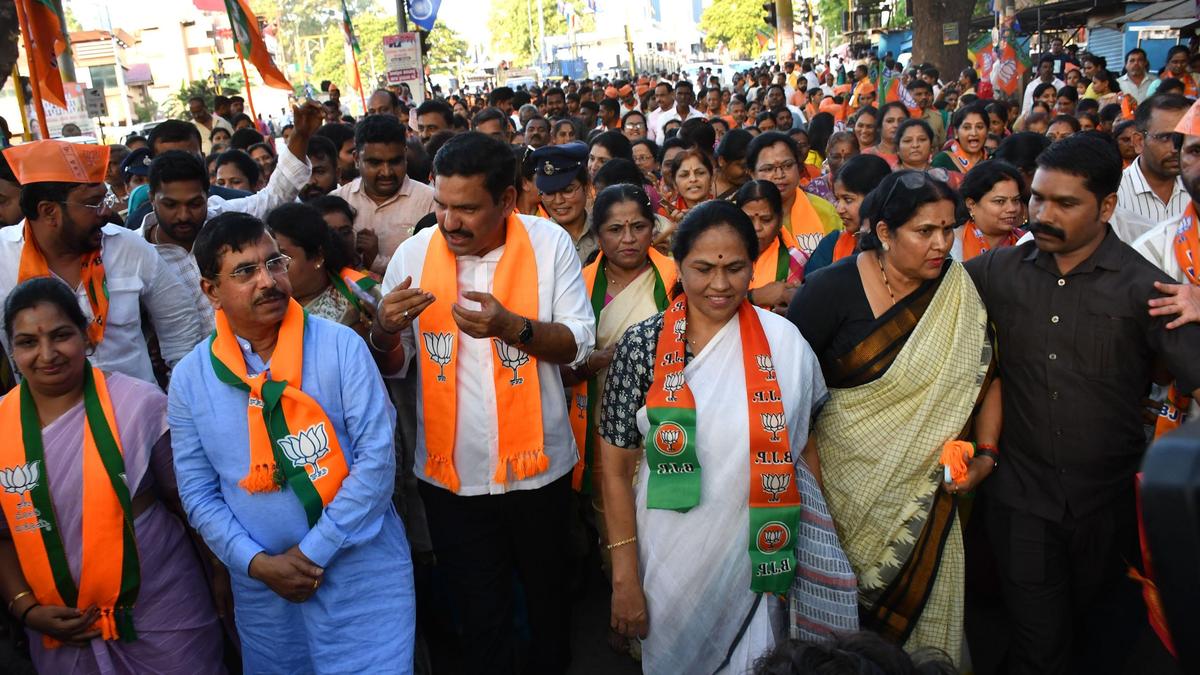
BJP Uses Hubballi Protests for Women's Quota
The BJP is using Hubballi protests to pin blame for delays on women's reservation onto Congress in Karnataka, sharpening its women's quota political offensive.
India
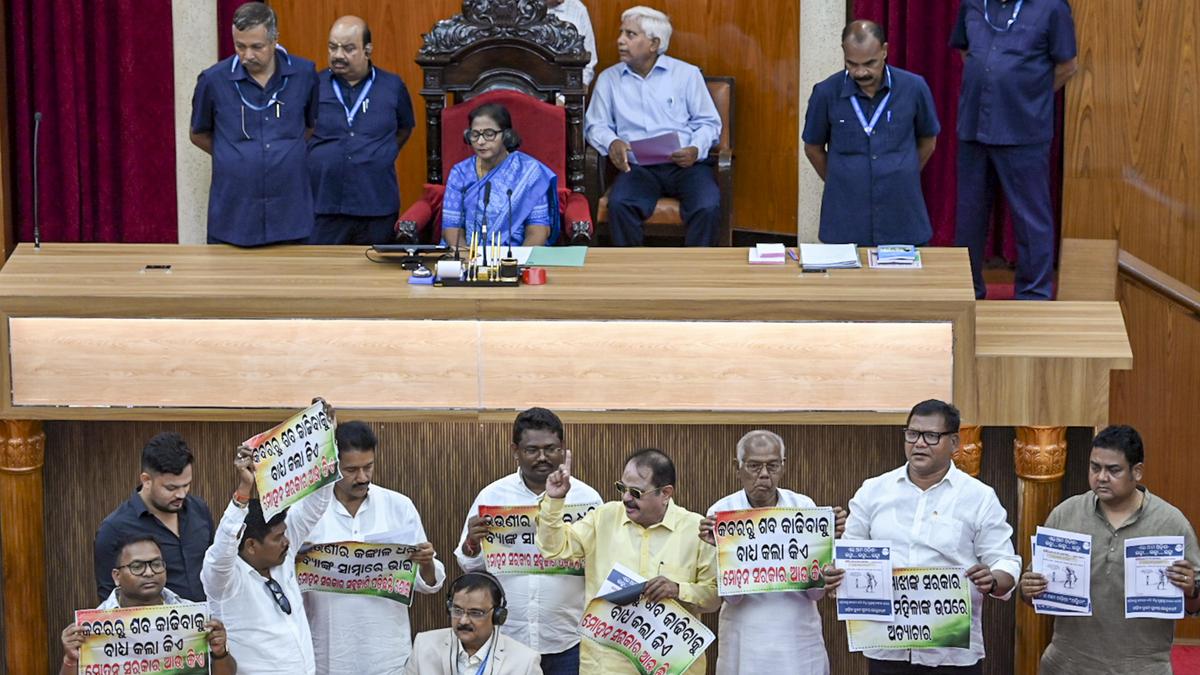
Odisha's Women's Reservation Debate
The fight over women's reservation in Odisha is shaping up as a calculated BJP and BJD strategy aimed squarely at gaining ground before the 2029 elections.
India
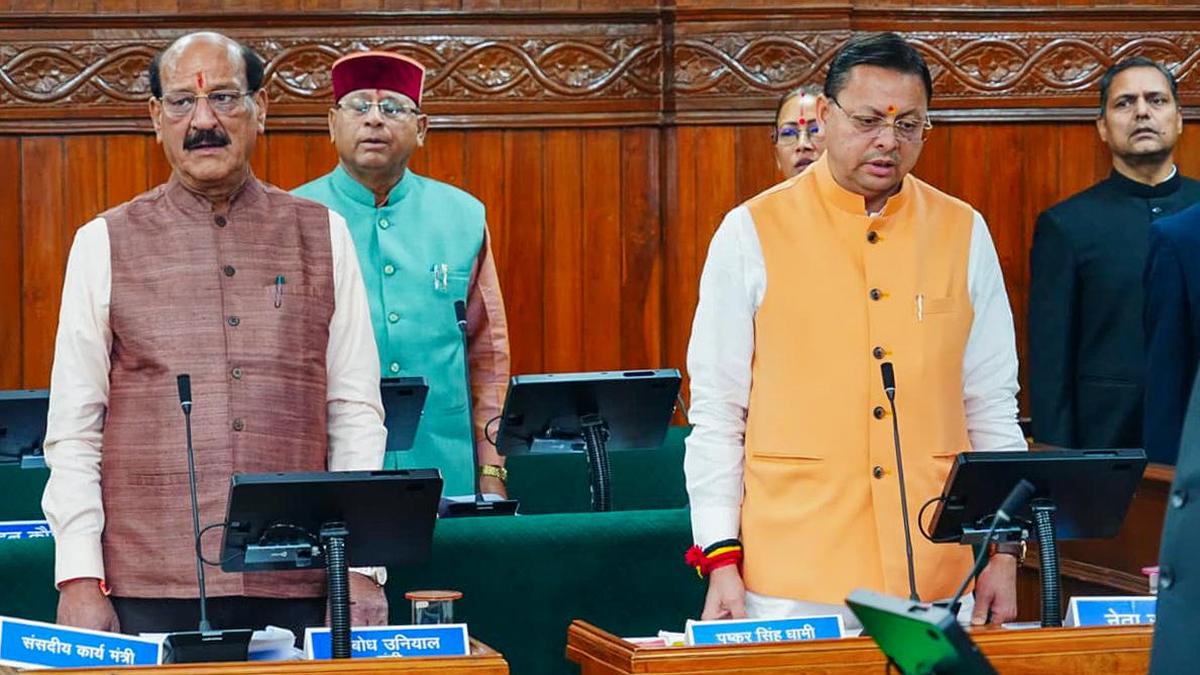
Uttarakhand's Push for Women's Reservation
Uttarakhand CM Dhami's push for women's reservation is a strategic political move that follows national defeat and aims to reclaim momentum for the BJP.