Modi's Next Steps After Women’s Bill Defeat
Exploring the implications of the women's reservation bill setback
Model Diplomat3 min readIndia
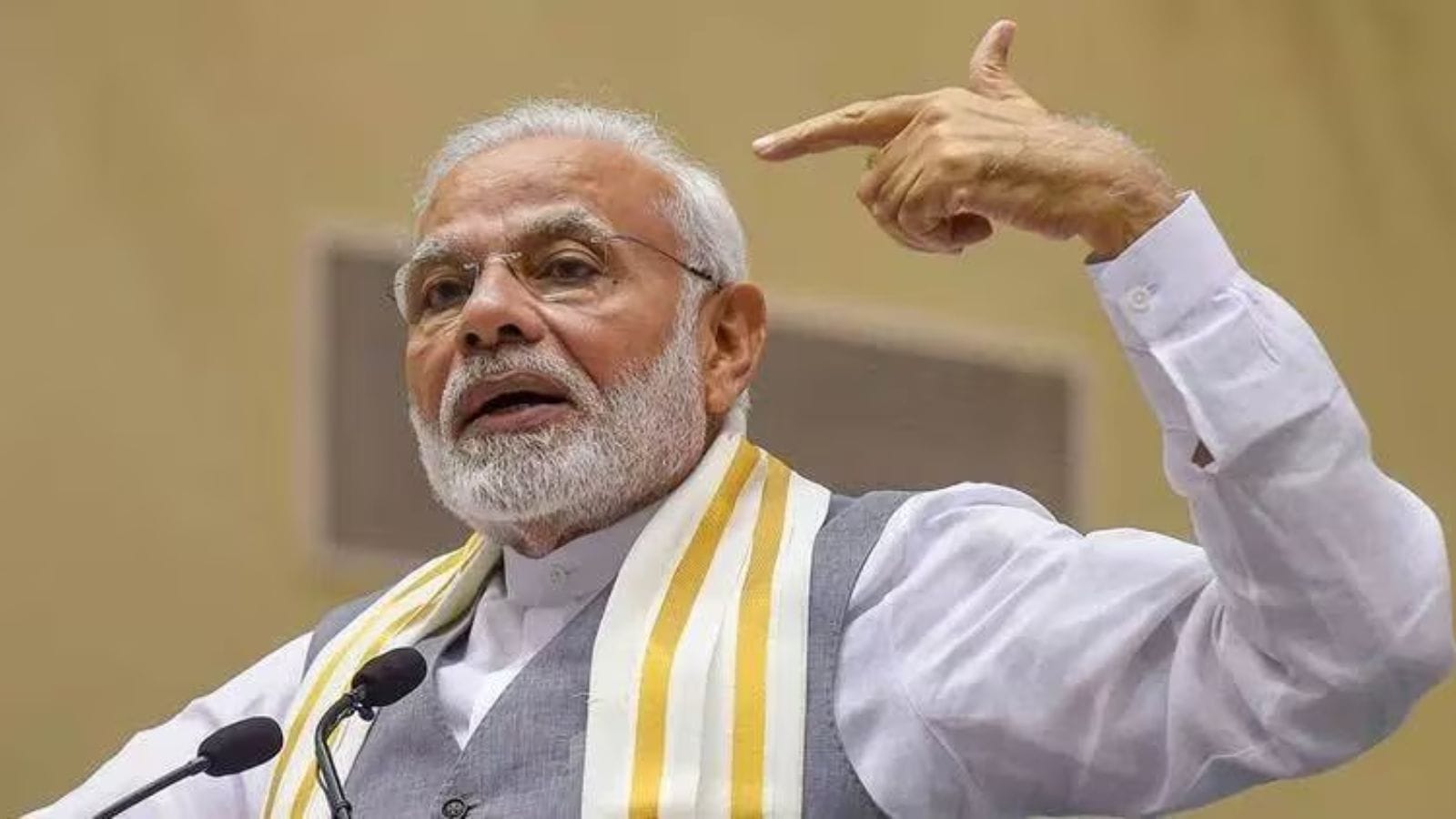
Modi’s Speech After Women’s Reservation Bill Defeat: What’s Next for Gender Quotas in India?
Prime Minister Narendra Modi addressed the nation on April 18, 2026, after the Lok Sabha rejected the Constitution (131st Amendment) Bill on 33% women’s reservation in legislatures, signaling stalled but not ended efforts for gender quotas.
The Modi government’s flagship bill to constitutionally guarantee one-third reservation for women in the Lok Sabha and state assemblies failed to clear the Lok Sabha earlier in the day. In a speech delivered at 8:30 PM, Modi reaffirmed his commitment to women’s empowerment while acknowledging the setback, emphasizing that while this chapter is delayed, the core objective of increasing women’s political participation remains firm.
Why the Bill’s Defeat Matters
The Constitution (131st Amendment) Bill, 2026 was designed to extend a 33% quota for women in state legislatures and the Lok Sabha, correcting a long-standing gender imbalance in Indian politics. While many Indian states have reservation for women in local councils (panchayats), national and state legislatures have lagged behind, with women holding roughly 14% of parliamentary seats today — far below global averages for representative gender parity.
The bill's defeat, largely due to lack of consensus within Modi’s ruling coalition and opposition pushback fearing political dilution or regional imbalances, represents a significant legislative setback. It undercuts the momentum of India’s flagship empowerment initiative and raises questions about the government’s legislative muscle in a fragmented Parliament.
Critics, including AIMIM leader Asaduddin Owaisi, pointed to the bill’s design shortcomings—such as ignoring amendments proposed to prevent gerrymandering and preserve proportional state representation—that could have ensured broader support and fairer implementation. Owaisi’s proposals to create two-member constituencies reserved for women alongside protections for southern states were sidelined The Hindu.
This divide underscores deeper regional and political challenges — Northern states with larger populations might gain more influence under the new delimitation schemes, while southern states fear diminished representation.
Modi’s Message and the Political Stakes
Modi’s speech following the failure was measured but resolute. He positioned the bill’s defeat not as an end but as an impetus to explore alternative means to empower women politically. His administration’s focus shifts now to reviving the conversation around women’s political representation and tackling related electoral reforms incrementally.
The setback also plays into broader electoral calculations. Women’s reservation is a popular goal electorally, but the specific bill exposed fault lines within the ruling alliance and invited opposition criticism, including from parties traditionally supportive of gender quotas. Modi’s recalibration signals an attempt to balance progressive optics with the granular reality of coalition politics.
What to Watch Next
-
Delimitation Bill Amendments: Attention will focus on whether Modi’s government revisits Owaisi’s or other opposition-suggested amendments to address fairness concerns in constituency redrawing. This could be a path to rebuild political consensus.
-
State-Level Initiatives and Pilot Programs: Modi hinted that even without constitutional assurance, states may adopt or extend reservation policies experimentally ahead of national reforms. Tracking shifts in states like Tamil Nadu, Kerala, or Telangana will be important.
-
Electoral Strategy: How the BJP and allies frame women’s empowerment going forward will reveal whether this policy setback morphs into a broader electoral liability or is leveraged as part of a long game on social inclusion.
-
Opposition Mobilization: Opposition parties like Congress, regional outfits, and AIMIM may use this moment to consolidate their stance on women’s political rights, demanding more robust, transparent reforms.
Ultimately, the bill’s demise crystallizes a key challenge in Indian democracy: reforming entrenched institutions requires deft handling of regional, political, and gender interests simultaneously. Modi’s next moves will be a bellwether for how India’s largest democracy balances ambition with pragmatism on women’s representation.
For a deeper dive into India’s political landscape, see our India country profile.
*Sources:
Discover more

India
INDIA Bloc's Delimitation Strategy
The INDIA bloc is using delimitation and women's reservation to challenge the BJP's federalism narrative, setting up a high-stakes fight over representation.
India
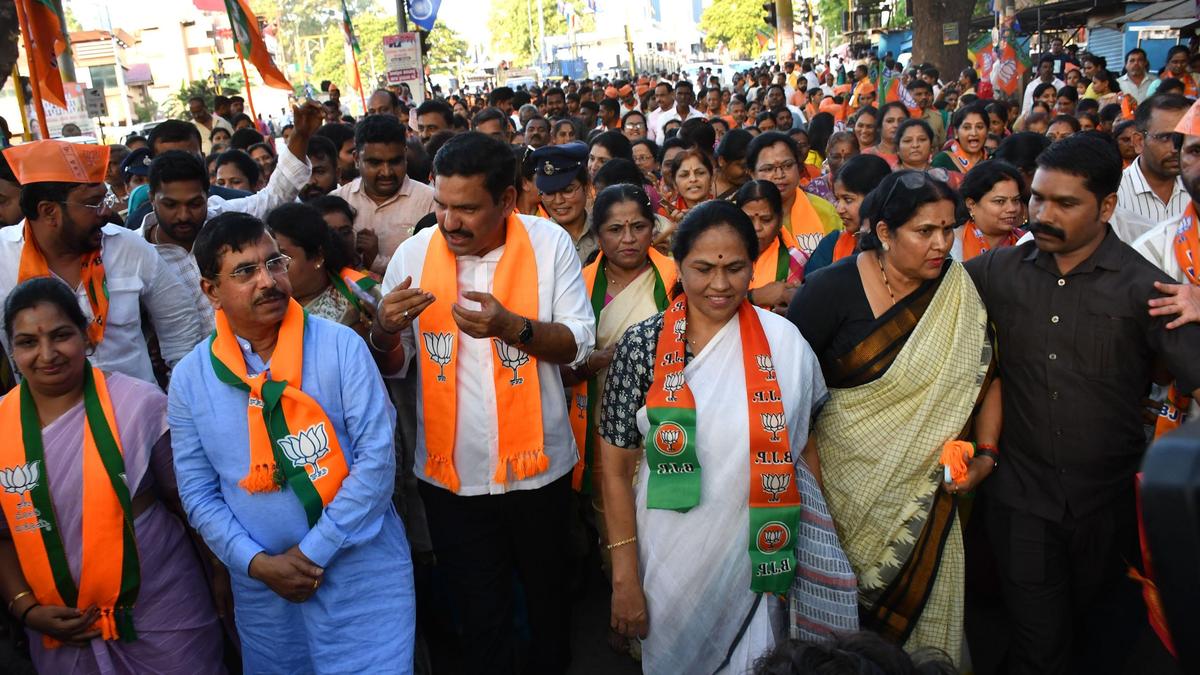
BJP Uses Hubballi Protests for Women's Quota
The BJP is using Hubballi protests to pin blame for delays on women's reservation onto Congress in Karnataka, sharpening its women's quota political offensive.
India
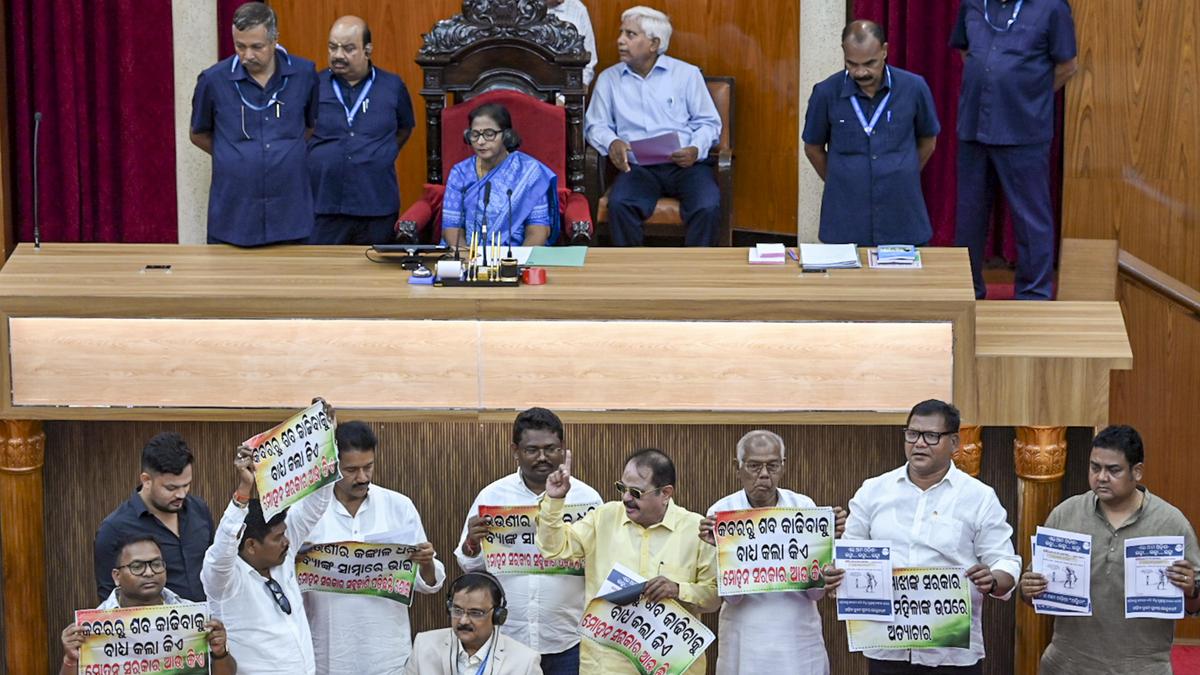
Odisha's Women's Reservation Debate
The fight over women's reservation in Odisha is shaping up as a calculated BJP and BJD strategy aimed squarely at gaining ground before the 2029 elections.
India
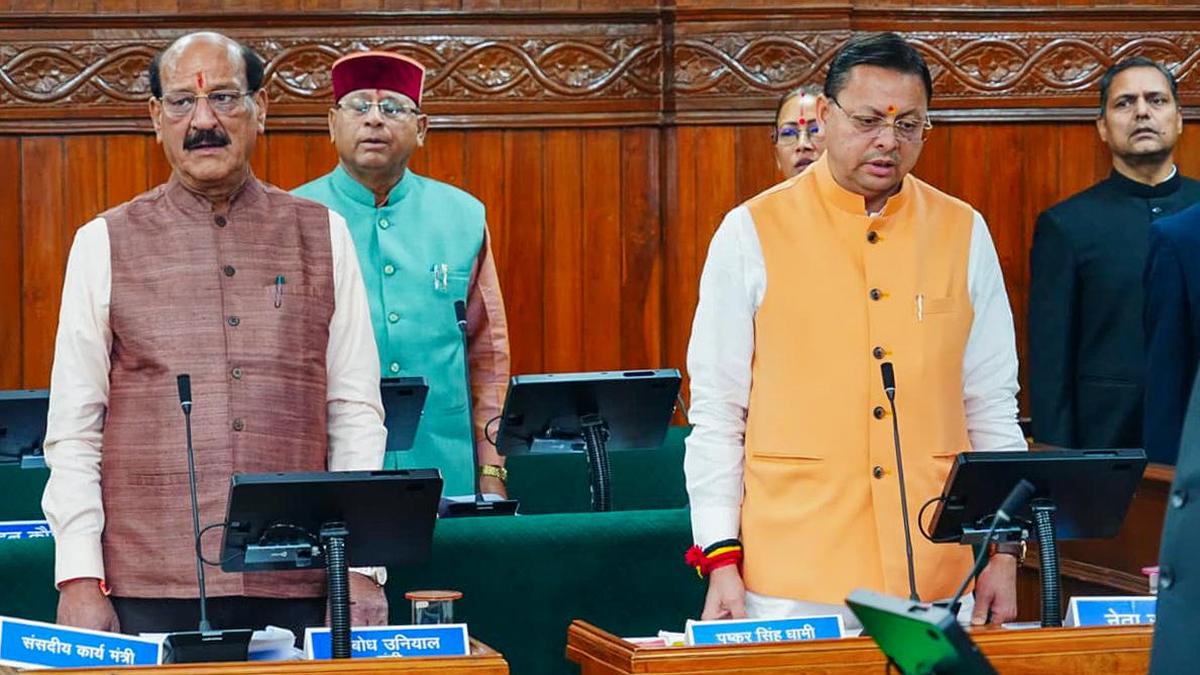
Uttarakhand's Push for Women's Reservation
Uttarakhand CM Dhami's push for women's reservation is a strategic political move that follows national defeat and aims to reclaim momentum for the BJP.