Modi's Fuel Shock Response Bets on Behavior, Not Prices
With West Asia oil flows under strain, Modi is asking Indians to cut fuel use, delay travel and revive WFH to protect forex.
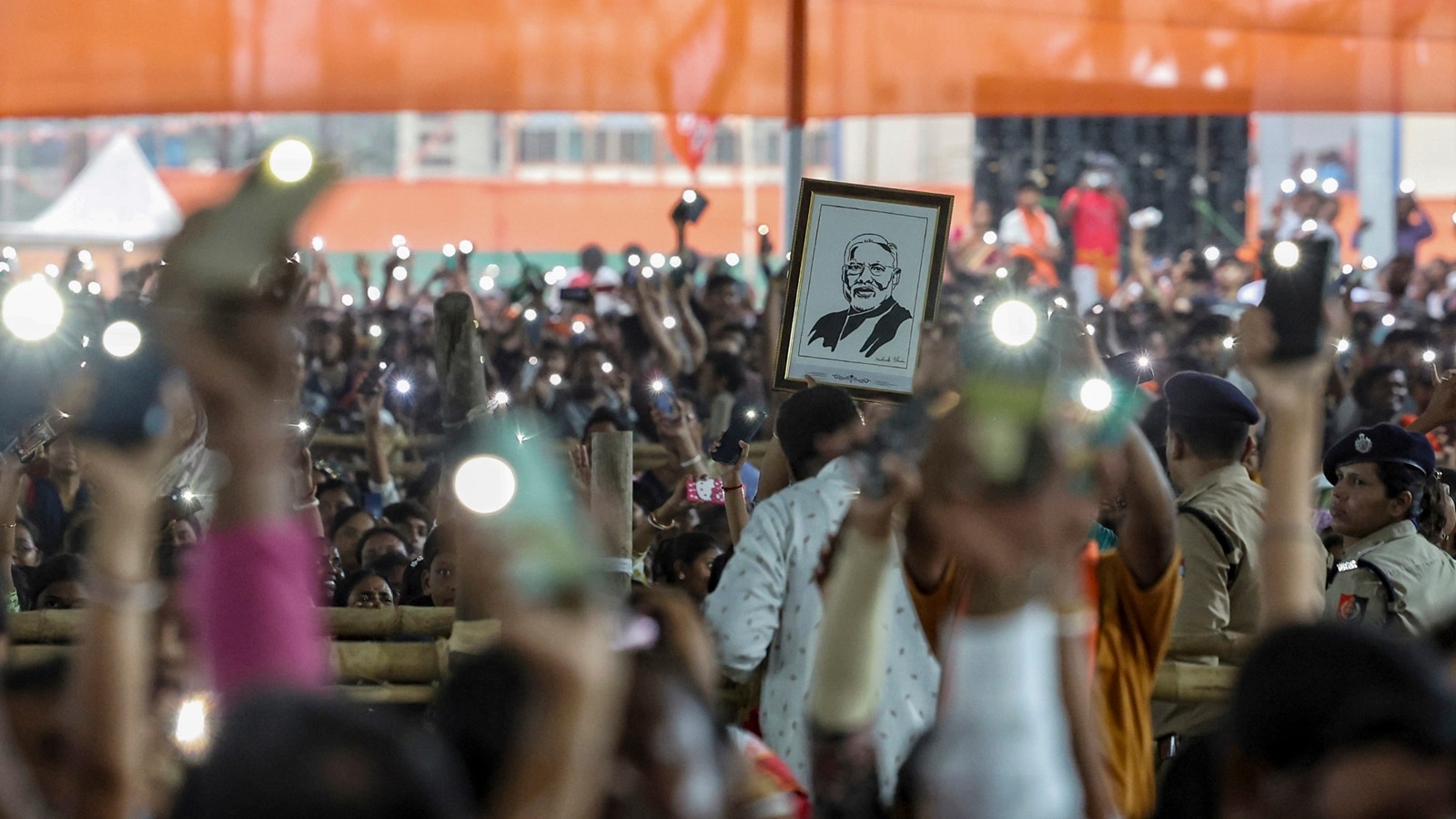
Modi is shifting the first line of defense onto consumers. Speaking in Hyderabad while launching ₹9,400 crore in Telangana projects, the prime minister urged people to use petrol, diesel and gas “with great restraint,” revive work-from-home where possible, and postpone foreign travel and large events as the West Asia oil shock ripples through supply chains, according to  Hindustan Times. That is not a technocratic fix; it is an attempt to manage a price and supply shock by suppressing demand before it turns into a broader inflation problem.
The political logic
The message is doing two jobs at once. First, it tells households and firms that the government sees the crisis as real but is not yet reaching for heavy-handed rationing. Second, it frames restraint as patriotic rather than punitive.  Times Now reported that Modi explicitly pushed metro use, carpooling and EVs, while saying pandemic-era online meetings and remote work should return “in the national interest.”
  The Times of India said he went further, urging people to conserve foreign exchange and even defer foreign weddings and vacations.
That matters because India is exposed in a way that makes behavior change cheaper than policy intervention.  India Today NE reported that global crude had jumped sharply as the Strait of Hormuz came under pressure, while oil marketing companies were facing under-recoveries of roughly ₹24 a litre on petrol and ₹30 on diesel. In other words, the government’s room to absorb the shock is narrowing.
Who gains, who loses
The immediate beneficiary is the government’s macro position. If households cut discretionary driving, delay trips and keep more spending at home, India burns less imported fuel and fewer dollars on foreign travel and gold. That protects the rupee and reduces inflation pressure at the margin. It also buys time for New Delhi to keep importing from a wider mix of suppliers, rather than being forced into a panic response if Middle East shipping worsens, as  Business Today noted.
The losers are more specific: airlines, outbound tourism, luxury retail, and parts of the urban middle class that treat foreign travel as a consumption norm. The political subtext is that Modi is asking these groups to absorb some of the shock now so the state does not have to choose later between higher fuel prices and a larger fiscal hit. For readers following  India, that is the key tell: this is a demand-management strategy, not a supply solution.
What to watch next
The next decision point is whether the government allows fuel prices to rise. India Today NE reported that prices could be revised before May 15, which would turn today’s appeal into a prelude to harder choices. If prices stay frozen, expect more pressure on oil company balance sheets. If they move, Modi’s “restraint” message will look like advance warning, not just rhetoric.