Modi's Bengal Gambit
Exploring Modi's strategy in West Bengal elections amid controversy.
Model Diplomat3 min readWest Bengal
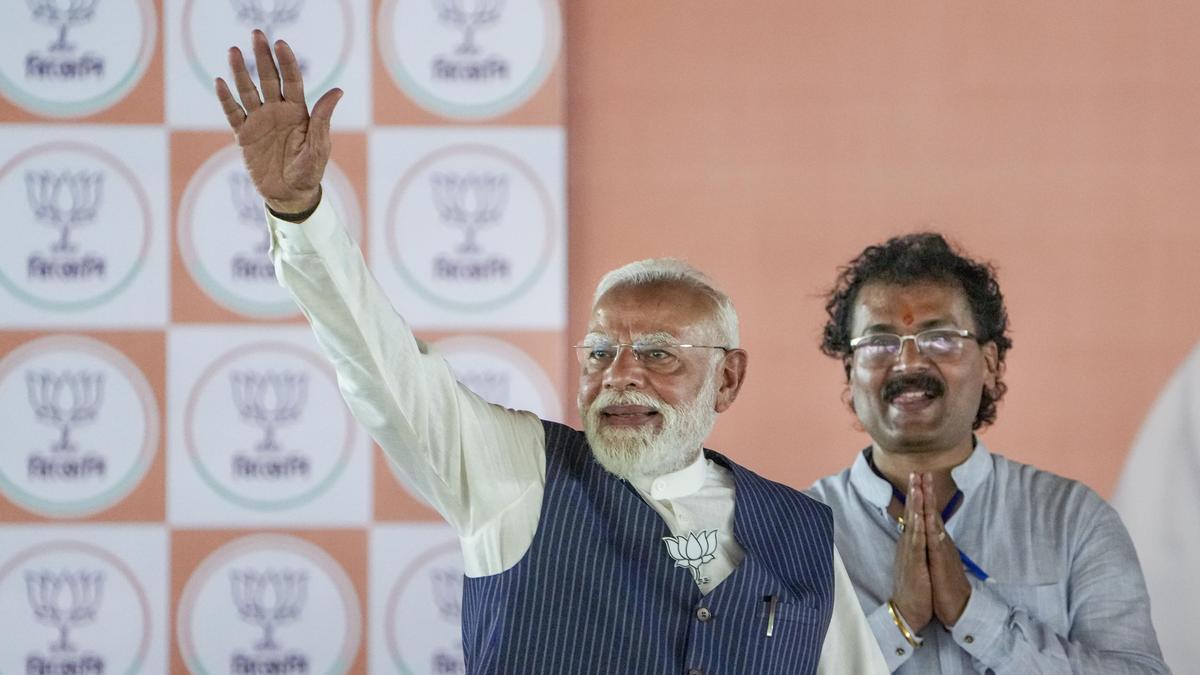
Modi's Bengal Gambit: The R.G. Kar Promise and What's Really at Stake
With Phase 1 voting done across 152 seats, Modi is weaponizing a year-old atrocity — but Mamata Banerjee has held this ground before.
Phase 1 of the West Bengal Assembly elections concluded on April 23, with ~3.6 crore voters across 16 districts casting ballots. Modi, campaigning in Panihati (North 24 Parganas), declared the turnout a "wave of change" and promised a fresh probe into the R.G. Kar Medical College rape and murder case — the August 2024 killing of a trainee doctor that triggered mass protests across India and became the defining symbol of TMC's perceived lawlessness in the state. Votes will be counted on May 4.
The R.G. Kar Card
The case remains politically live. Sanjoy Roy, a civic police volunteer, was convicted and sentenced to life imprisonment — but opposition groups, the victim's family, and protest movements have consistently argued the conviction stops short of the full picture. Former hospital principal Sandip Ghosh remains in judicial custody facing ED money-laundering charges worth ₹6.89 crore in alleged tender fraud. The CBI investigation into the murder itself has drawn criticism for pace and scope.
By promising a "fresh probe," Modi is not just reopening a criminal matter — he is directly indicting Chief Minister Mamata Banerjee's administration on its most vulnerable flank: law and order, institutional corruption, and the safety of women professionals. The Supreme Court separately directed the NIA to take over an investigation into the Malda violence incident in April 2026, already signalling that Bengal's state machinery is under federal judicial scrutiny.
Mamata's Structural Advantage — and Its Limits
TMC's defensive position is weaker than in 2021 but not broken. Banerjee retains a formidable ground organisation, a consolidated Muslim vote bank in critical districts like Murshidabad (a Phase 1 seat), and a Bengali identity politics playbook that casts BJP as Delhi-based outsiders — what she calls "zamindars." The Election Commission transferred 12 senior Bengal police officers ahead of Phase 1, a pointed signal of federal distrust of the state apparatus that TMC will frame as political interference.
BJP's structural challenge is the same as every cycle: translating national-level Modi support into a state-level organisation capable of governing. In 2021, BJP won 77 of 294 seats despite an aggressive campaign — a ceiling Amit Shah is now trying to break, partly through targeted promises on the Gorkha issue in Darjeeling and the R.G. Kar pledge in urban constituencies.
The R.G. Kar promise carries a precise political logic: it energises urban middle-class Bengali voters — doctors, students, professionals — who mobilised in 2024 protests but have no natural home between TMC and a BJP they still view with cultural suspicion. Modi is bidding for that ambivalent constituency. Whether the promise reads as credible governance or electoral opportunism will determine its impact in Phase 2 seats on April 29, which include the Kolkata periphery where that demographic is concentrated.
What to Watch
May 4 is the count date, but the real tell comes sooner: Phase 2 voter turnout on April 29 across Kolkata-adjacent seats. A turnout surge in urban South Bengal would validate Modi's claim of a wave; a flat or TMC-skewed turnout would suggest the R.G. Kar gambit mobilised grief without converting votes. Watch also whether the CBI moves visibly on the R.G. Kar case in the window between now and counting — a pre-result arrest or charge upgrade would force Mamata onto the back foot at the worst possible moment.
Follow the full election picture at India Politics and broader
International coverage on Diplomat Briefing.
Sources: The Hindu – Phase 1 campaigning wrap |
The Hindu – ED chargesheet, R.G. Kar |
The Hindu – SC/NIA directive
Discover more
India
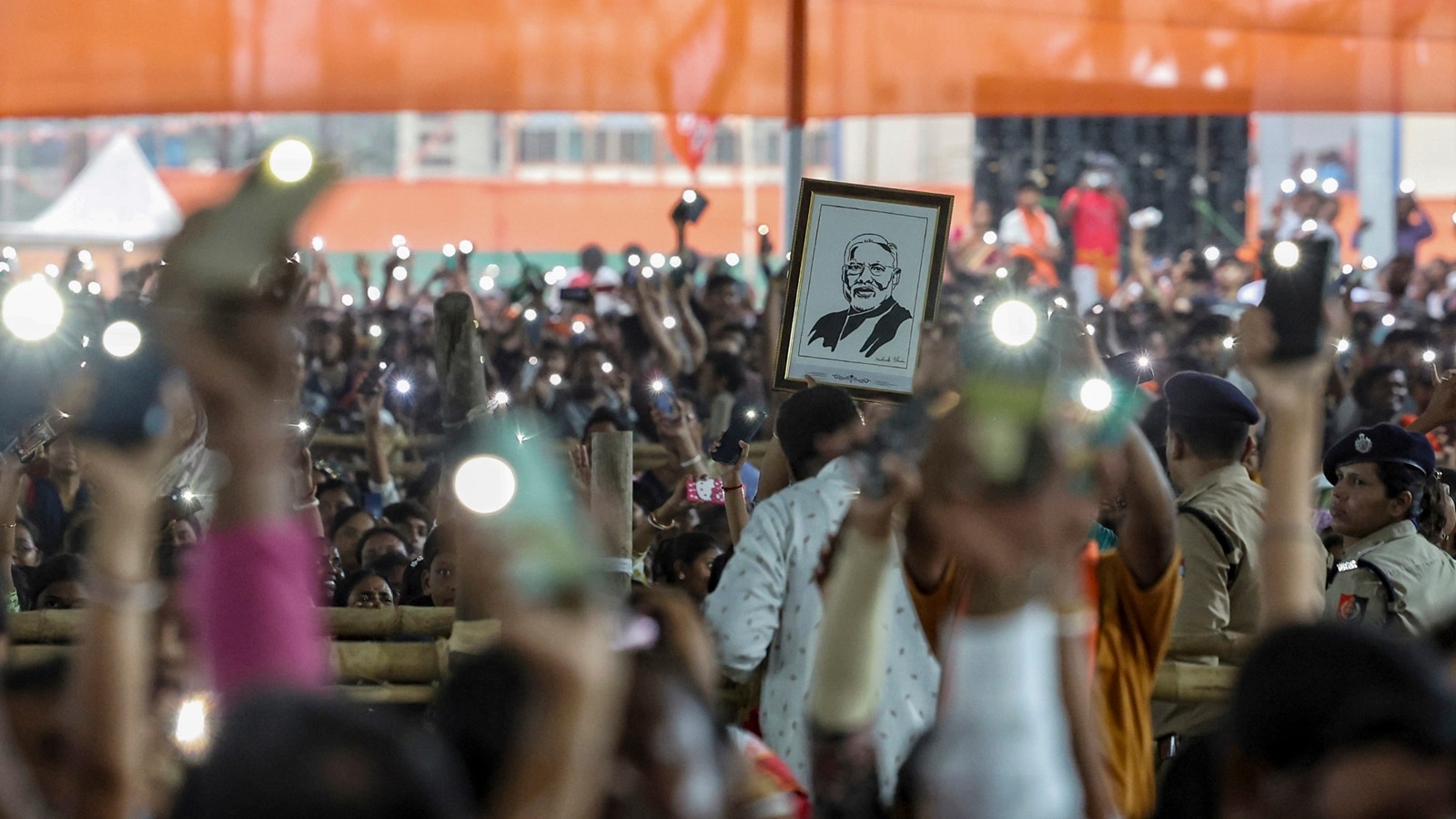
Modi's Women’s Convention in Varanasi
Modi's Varanasi rally frames women's reservation as a national mission, targeting the 2027 Uttar Pradesh elections with a strategic narrative.
India
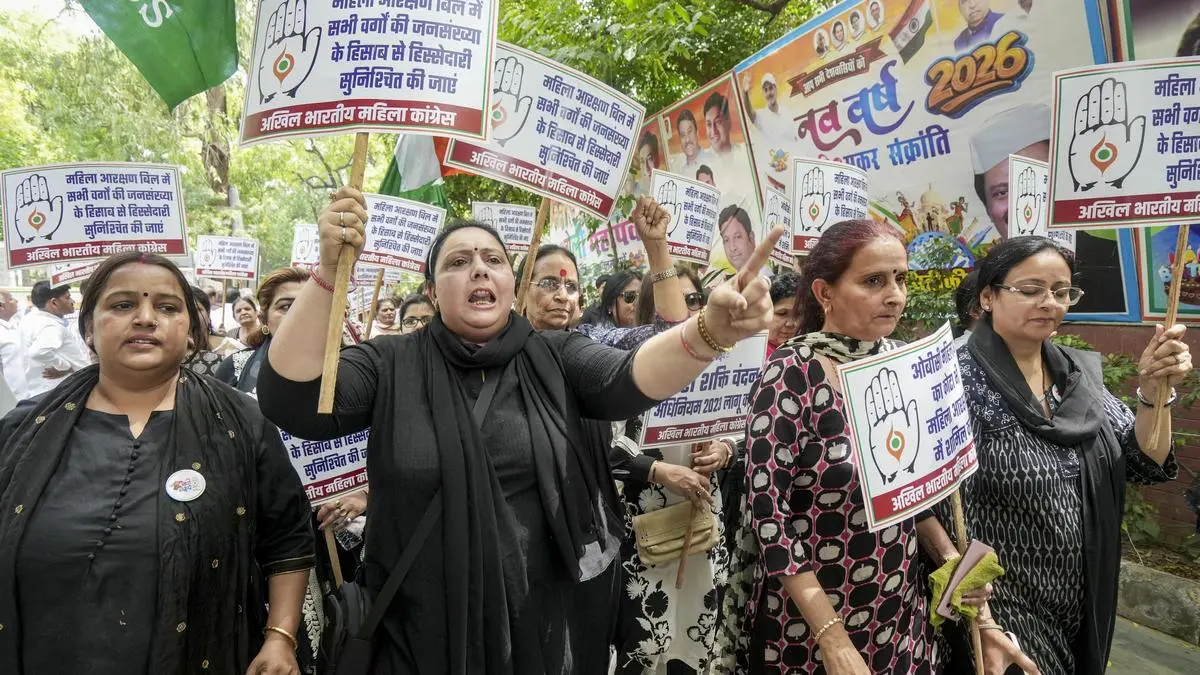
BJP's Misunderstanding of Women's Quota Needs
The BJP's linking of the Women Reservation Bill to delimitation risks delaying women's empowerment in India, misreading the aspirations of female voters.

Conflict & Security
Drone Warfare Killing Aid Workers at Unprec
Over 1,000 humanitarian workers killed in three years as cheap armed drones collapse legal protections. Gaza, Sudan, Ukraine, and DRC see deliberate targeting of aid convoys and hospitals with zero prosecutions.

Global
World Normalises Taliban as Afghan Women Eras
UN data shows Afghan women erased from public life as Russia recognises the Taliban, EU hosts officials in Brussels, and ICC warrants for gender persecution go unenforced.