Modi's Plan to Boost Lok Sabha Seats to 850
Exploring the implications of increasing Lok Sabha seats in India
Model Diplomat3 min readIndia

Modi’s Plan to Expand Lok Sabha Seats to 850: What’s Behind the Numbers?
Modi government’s move to boost Lok Sabha seats from 543 to 850, along with introducing the Women’s Reservation Bill, signals a major shift in India’s parliamentary dynamics.
On April 16, India’s Parliament is set to witness a landmark proposal: expanding the Lok Sabha—the country’s lower house—from its current 543 seats to 850. This comes alongside the introduction of the Women’s Reservation Bill 2026, which aims to reserve 33% of parliamentary seats for women. These twin moves represent more than a technical adjustment; they could reshape India’s democratic representation and political competition.
Why Increase Lok Sabha Seats Now?
The Lok Sabha’s size has been frozen since 1977 at 543 seats, despite India’s population nearly doubling from about 600 million to 1.4 billion during this period. The proposed jump to 850 seats would be the biggest expansion in decades, reflecting attempts to better match parliamentary representation with demographic realities.
Several factors drive this move:
-
Population Growth and Redistribution: India’s population has grown unevenly across states. The current seat distribution underrepresents fast-growing states in the north and east, while southern states like Tamil Nadu have fewer seats relative to their population. Increasing seats could allow for recalibration that more fairly represents these demographic shifts.
-
Political Calculations: The Modi government’s Bharatiya Janata Party (BJP) enjoys strong support in many fast-growing northern states. Increasing seats there could help consolidate its electoral advantage. Expanding the house also dilutes the power of smaller states where the opposition holds sway.
-
Governance and Representation: Larger constituencies risk weakening voter-representative ties. More members theoretically mean MPs can serve smaller, more manageable populations, improving accountability. However, it also raises questions about Parliament’s efficiency with nearly 60% more members.
Women’s Reservation Bill: Timing and Implications
The parallel push to introduce the Women’s Reservation Bill is equally consequential. The Bill mandates 33% reservation for women in the Lok Sabha and state legislatures, a demand that has long simmered in Indian politics. This move could finally institutionalize greater female participation in a system where women currently occupy less than 15% of Lok Sabha seats.
The timing is deliberate:
- By increasing total seats and reserving a third for women, the government signals a dual empowerment—demographic representation plus gender inclusion.
- It caters to a vital electoral constituency as women voters account for almost half the electorate and are increasingly decisive in many regions.
- Politically, the BJP can position itself as a reformist champion of women’s rights, gaining an edge over opposition parties that have historically stalled the Bill.
What to Watch Next
The parliamentary reform package faces significant hurdles:
- Opposition Pushback: Some opposition parties argue the expansion could be gerrymandered to favor the ruling party. The Women’s Reservation Bill has opponents who fear it will limit party candidate choices or skew electoral dynamics.
- Constitutional Amendments: Increasing Lok Sabha seats requires constitutional amendments and possibly ratification by over half the state legislatures, a complex process in India’s diverse federal structure.
Success or failure here will have ripple effects on India’s democracy, governance, and party politics. If passed, India’s Parliament would be the largest democratic assembly worldwide by membership, raising new questions of legislative management and political balance.
For now, the Modi government is staking a bold claim: that India’s parliamentary system must evolve structurally to reflect its demographic and social changes. Whether this proves a masterstroke or a miscalculation will be apparent once the debates unfold on the Lok Sabha floor over the coming weeks.
Readers interested in broader implications can explore more on India’s political system and
global parliamentary reforms.
Source: Mint via LiveMint
Discover more

India
India's Lok Sabha Expansion
India proposes expanding the Lok Sabha to 850 seats by 2029 to strengthen women's representation, signaling a significant shift in parliamentary politics.

Conflict & Security
Drone Warfare Killing Aid Workers at Unprec
Over 1,000 humanitarian workers killed in three years as cheap armed drones collapse legal protections. Gaza, Sudan, Ukraine, and DRC see deliberate targeting of aid convoys and hospitals with zero prosecutions.
Global
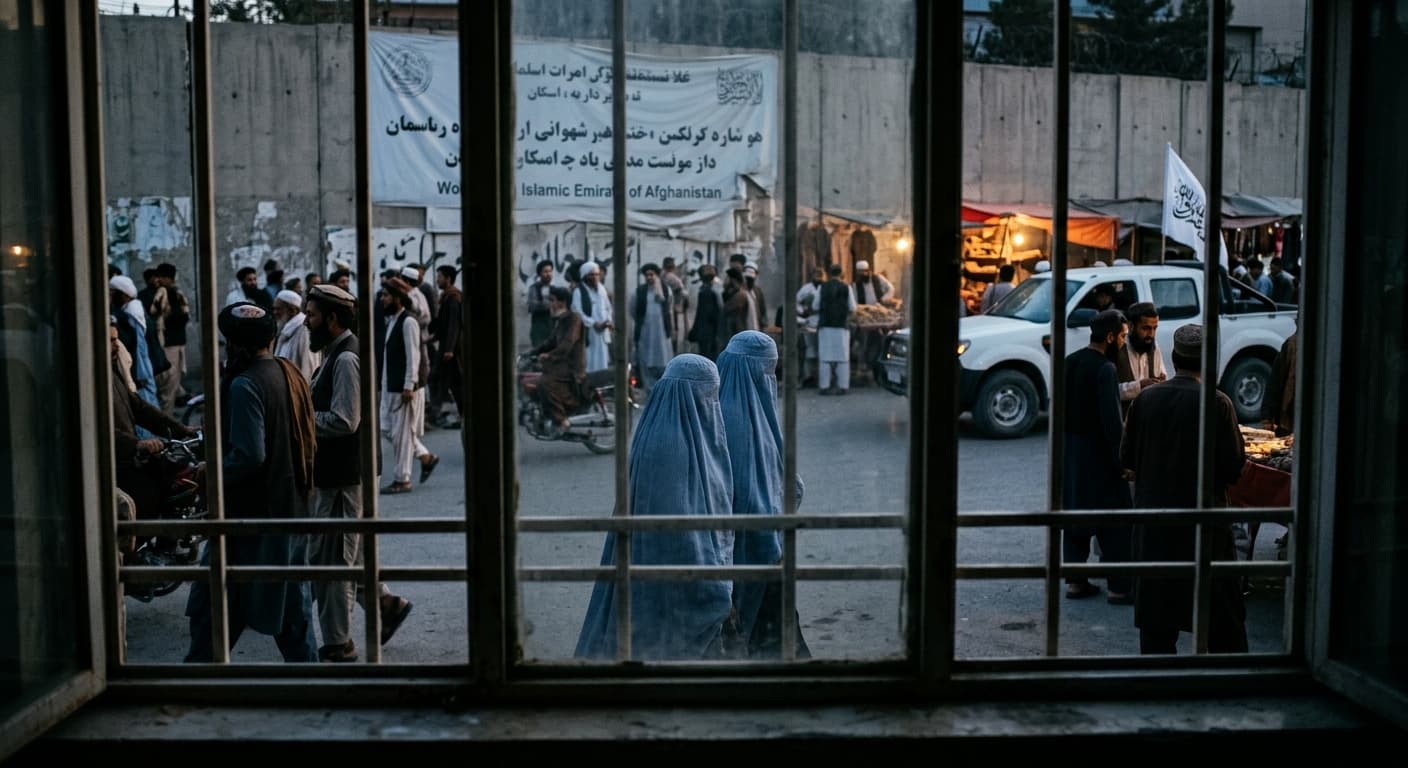
World Normalises Taliban as Afghan Women Eras
UN data shows Afghan women erased from public life as Russia recognises the Taliban, EU hosts officials in Brussels, and ICC warrants for gender persecution go unenforced.
Conflict & Security
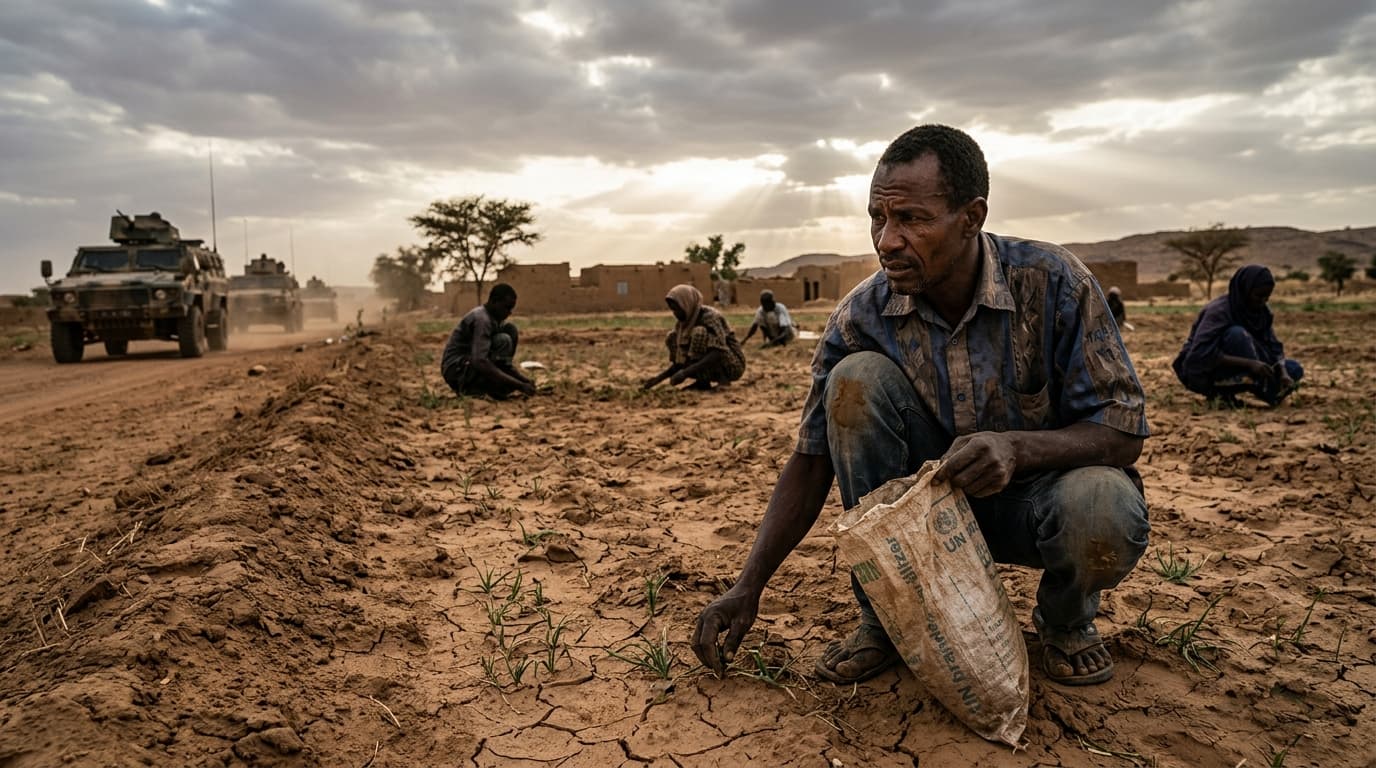
West Africa Food Crisis: Three Shocks in 2026
Conflict, climate extremes, and the Strait of Hormuz closure drive a severe food crisis in West and Central Africa, with fertilizer prices surging 80% and millions displaced.