Modi Calls for Opposition on Women's Bill
PM Modi calls for unity on crucial gender equality legislation
Model Diplomat3 min readIndia

Modi Appeals to Opposition as NDA Lacks Votes for Women’s Reservation Bill
Prime Minister Modi admits ruling coalition falls short on women’s quota bill, urging opposition to support a key gender equality measure in Parliament.
Prime Minister Narendra Modi’s recent acknowledgment that the National Democratic Alliance (NDA) lacks sufficient numbers to pass the long-pending women’s reservation bill is a rare admission of parliamentary fragility for India’s dominant party. Modi’s call for cooperation from opposition parties—framed emotionally with a plea to “think of your mothers” and the importance of women’s issues—signals how the government views this legislation as a crucial, yet divisive, priority.
Why Women’s Reservation Matter—and Why It’s Stuck
The Women’s Reservation Bill proposes reserving 33% of seats in the Parliament and state legislative assemblies for women. Passed in the Lok Sabha (lower house) multiple times before but stuck in the Rajya Sabha (upper house) since 2010, it has faced resistance from several political groups fearing it might disrupt existing power balances. The bill is seen as a landmark step for enhancing women’s political representation in a country where women make up 48% of the population but only about 14% of Lok Sabha members after the 2019 election.
Modi’s push comes at a politically strategic moment. Despite holding a large majority in the Lok Sabha, the NDA is short in the Rajya Sabha, where opposition parties—primarily the Congress party and Left allies—maintain significant presence. This numerical reality means passing the bill requires cross-party collaboration, which Modi has now openly requested. The plea highlights Modi’s understanding that women’s reservation is a rare bipartisan cause that transcends typical political divides, but also underscores the challenges of consensus-building amid India’s fractured opposition landscape.
Political Signals and Stakes
Modi invoking opposition empathy toward women by referring to “your mothers” symbolizes an effort to frame the bill beyond politics—appealing to a shared social value among lawmakers. But the request also implicitly recognizes discomfort within NDA’s own ranks, as some regional alliance partners have reportedly been hesitant due to fears of electoral disruption or internal factionalism.
This development reveals two key dynamics in India’s current political environment:
- Legislative Vulnerability: Despite its dominating presence in the Lok Sabha, the NDA’s lack of control in the Rajya Sabha constrains its ability to deliver landmark reforms without opposition cooperation.
- Women’s Rights as Political Currency: Modi’s push reaffirms women’s reservation as a symbolic issue with broad popular appeal, which governments use to demonstrate progressive credentials and mobilize support—domestically and internationally.
Watch for whether opposition parties respond positively or exploit the moment to leverage concessions on other policy issues. The bill’s fate could become a litmus test for parliamentary cooperation as India heads toward the 2029 general elections, when gender representation could shape candidate selection strategies profoundly.
What to Watch Next
- The Rajya Sabha debate stages and opposition responses will be critical. Will Congress and regional parties prioritize this bill or block it to weaken Modi’s government?
- Alliances within NDA and among regional players could shift based on electoral calculations of women’s vote banks.
- Public mobilization on women’s representation may intensify, especially from civil society groups pressuring politicians to break the deadlock.
With this move, Modi has framed women’s reservation not just as parliamentary legislation, but a national duty crossing party lines—whether India’s fractured opposition embraces or rejects this overture could shape political norms and gender politics for years.
For deeper background on Indian political dynamics, see India Politics.
Source: LiveMint - Modi seeks opposition help for women reservation bill
Discover more
India
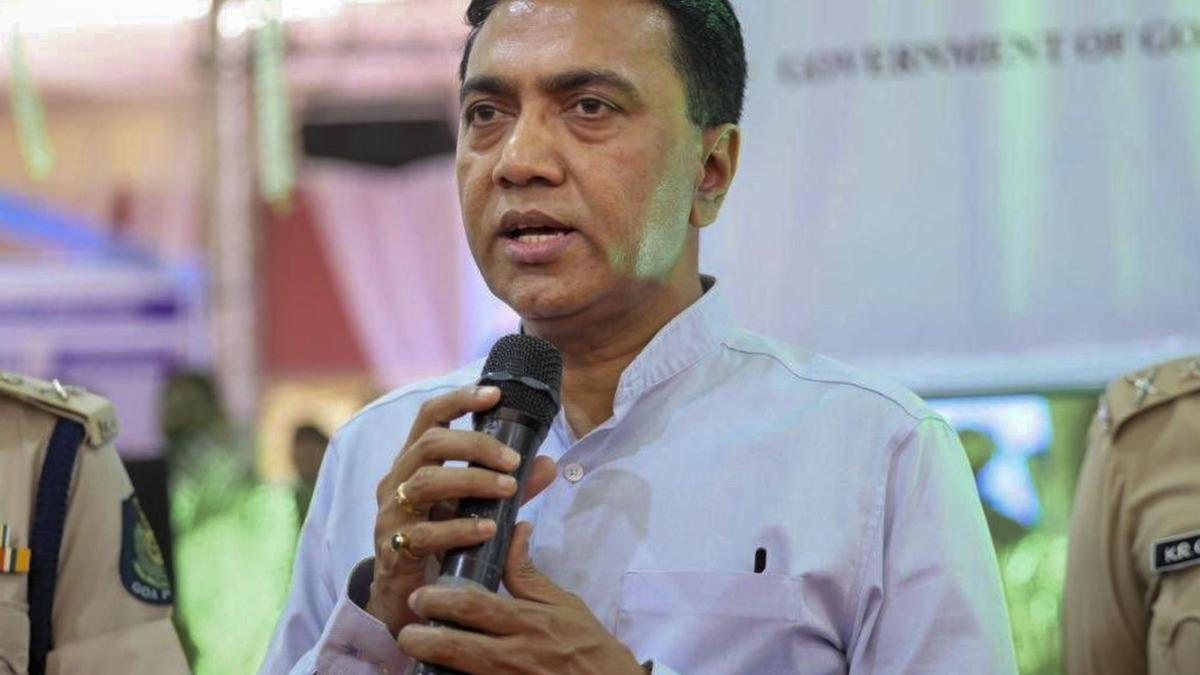
Goa CM Pramod Sawant Supports Women's Quota
Goa Chief Minister Pramod Sawant backs the Women's Reservation Act, voicing support for gender equality and greater representation for women in Indian politics.
India
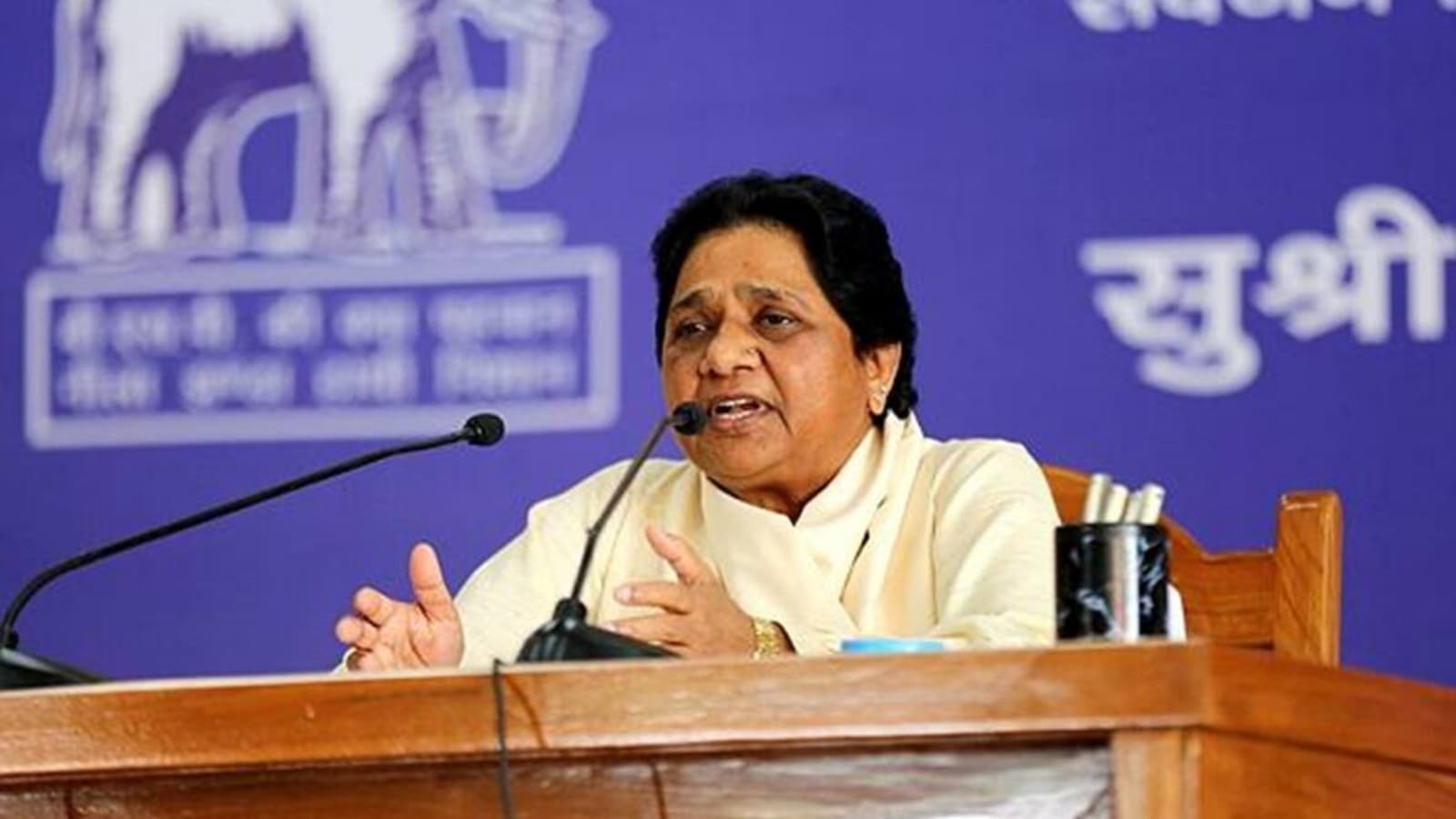
Former Leaders Endorse Women's Reservation
Pratibha Patil, Meira Kumar, and Mayawati backed the 33% Women's Reservation Bill, uniting behind a push to expand women's political representation in India.
India
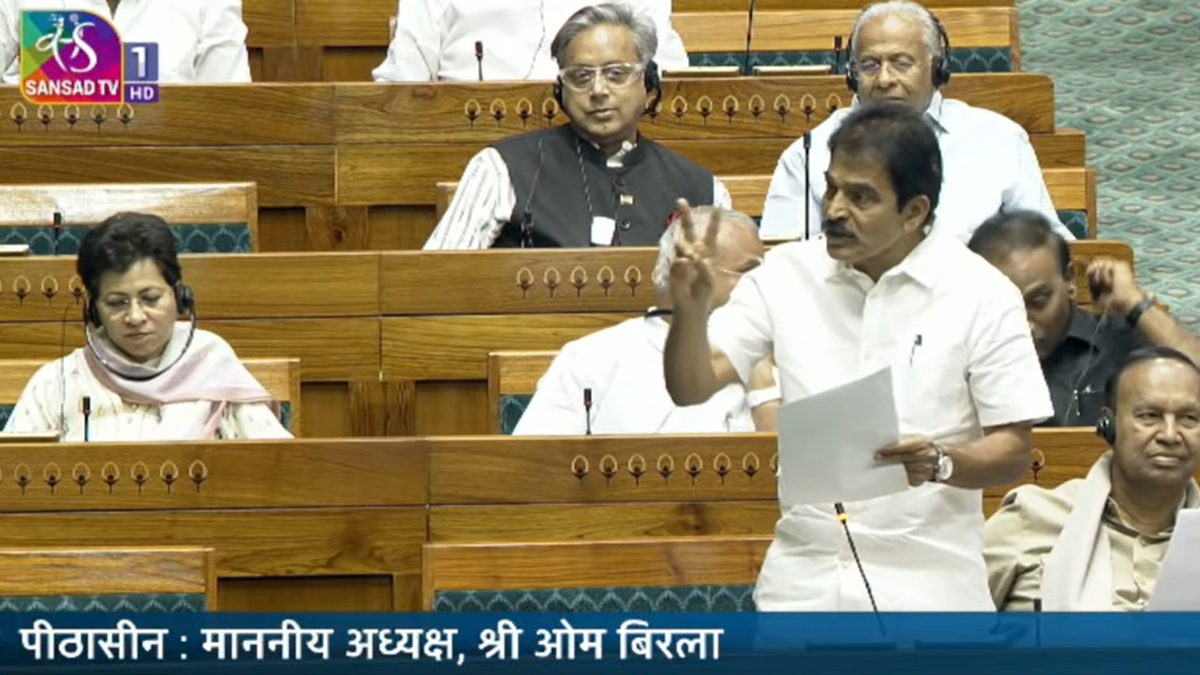
BJP's Women's Reservation Bill Controversy
The BJP faces backlash over the Women's Reservation Bill as the DMK accuses it of political exploitation during a heated and pivotal Lok Sabha session in Delhi.

Conflict & Security
Drone Warfare Killing Aid Workers at Unprec
Over 1,000 humanitarian workers killed in three years as cheap armed drones collapse legal protections. Gaza, Sudan, Ukraine, and DRC see deliberate targeting of aid convoys and hospitals with zero prosecutions.