Modi Exploits RG Kar Tragedy in Bengal Vote
BJP uses emotional appeal to challenge TMC in Bengal polls
Model Diplomat3 min readSouth Asia

Modi Turns RG Kar into a Ballot Weapon in Bengal Phase 1
With West Bengal's first polling phase done, Modi used the RG Kar victim's mother on stage in Panihati — weaponizing grief to shift a state the BJP has chased for a decade.
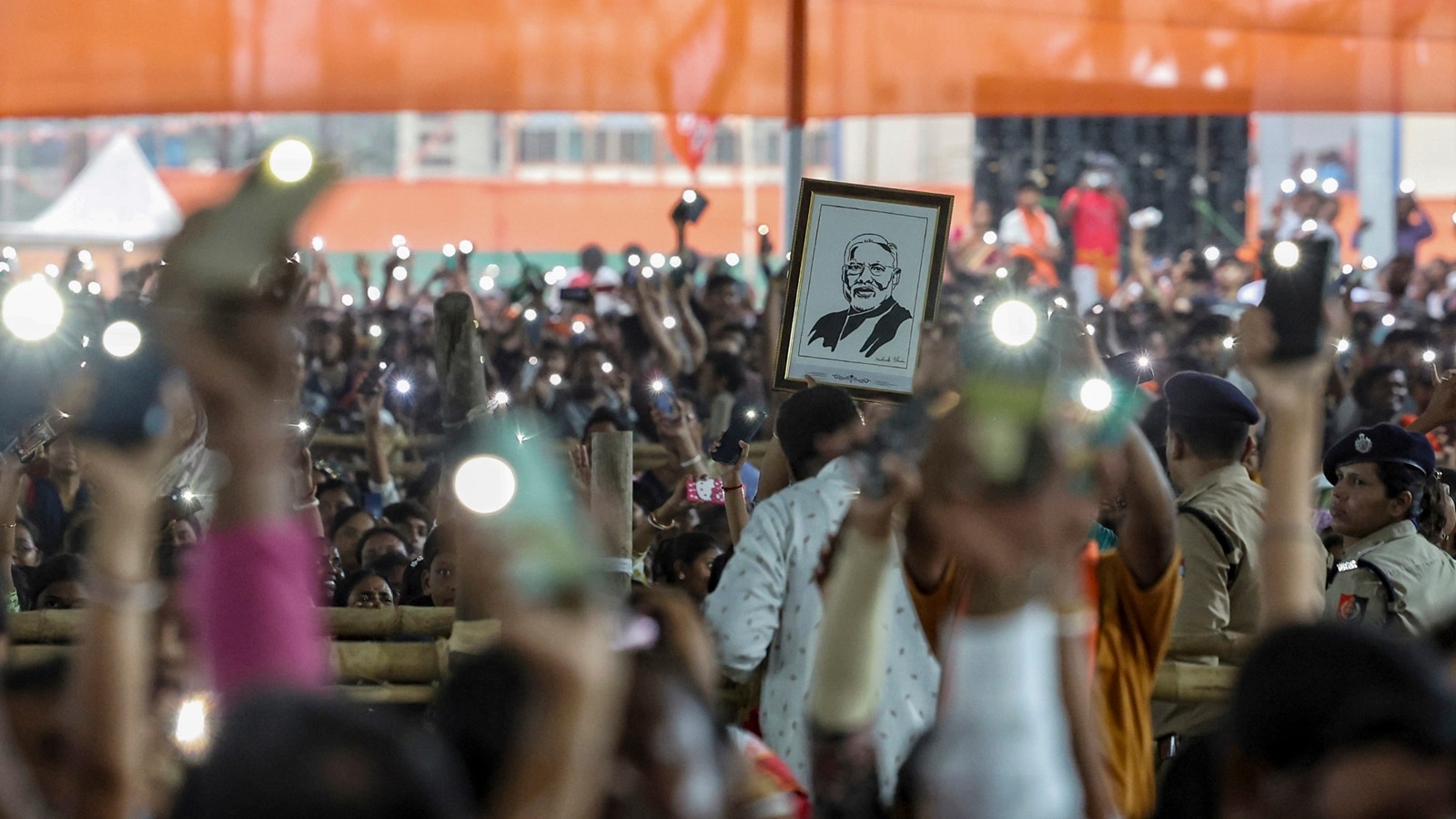
Narendra Modi appeared at a campaign rally in Panihati, North 24 Parganas — one of the most contested districts in West Bengal's 2026 Assembly elections — alongside the mother of the trainee doctor raped and murdered at RG Kar Medical College in August 2024. His framing was blunt: "maha jungle raj" — a state of lawless terror — under Mamata Banerjee's Trinamool Congress (TMC). The symbolism was deliberate and clinical.
Why the RG Kar Case Is Still Political Fuel
The RG Kar murder never left the Bengali public consciousness. The case triggered months of protests across Kolkata, embarrassed the Banerjee administration over its handling of the investigation, and drew sustained criticism of the state police. The Central Bureau of Investigation (CBI) took over the probe after the Calcutta High Court intervened — a direct rebuke of state authority.
By placing the victim's mother centre-stage, Modi and the BJP are doing two things simultaneously: sustaining the emotional charge of the case into polling season, and framing law-and-order as a women's safety referendum on Banerjee personally. That framing is intentional. Modi has also attacked TMC at a Bishnupur rally for blocking the 131st Amendment Bill — the women's reservation legislation — giving the BJP a second, legislative vector on the same issue. Source: The Hindu
The Electoral Stakes Are Unusually High
West Bengal's 2026 Assembly elections represent the BJP's most credible shot at displacing TMC since the 2021 near-miss, when BJP won 77 of 294 seats but fell well short. After Phase 1 voting on April 23, Modi publicly claimed a "wave of change," and Home Minister Amit Shah — in Kolkata on April 24 — projected the BJP would win more than 110 of 152 Phase 1 seats and form a government next month. Source: The Hindu
Those are aggressive projections. BJP's institutional machinery is running hard: CAPF chiefs held an extraordinary security coordination meeting in Kolkata, and Modi has staged multiple rallies — Panihati, Bishnupur, Medinipur — in quick succession. At Medinipur, he accused TMC of earning a "PhD in looting" across 15 years of governance, citing corruption in teacher recruitment, MGNREGA funds, and cyclone relief disbursement.
Banerjee's counter is structural. TMC holds incumbency, a cadre network the BJP has never matched at the booth level, and a coalition of Muslim voters and rural women — the latter shored up by her Lakshmi Bhandar cash transfer scheme. She will argue BJP is exploiting a family's tragedy for votes.
Both readings are politically accurate. That's what makes this effective.
What to Watch Next
The Phase 2 polling date is the next inflection point. Watch whether the RG Kar mother's appearance becomes a recurring feature on the BJP trail — if it does, the party's internal numbers likely show it's moving votes in urban and semi-urban North Bengal constituencies. Watch also for TMC's formal response: if Banerjee engages the RG Kar framing directly, she risks amplifying it; if she ignores it, the BJP fills the silence.
Shah's "110+ seats in Phase 1" claim will be tested when counting begins. If the BJP hits that threshold, the remaining phases shift decisively — and Bengal's political map changes for a generation.
For more on the electoral dynamics reshaping South Asia's democracies, see India and
International Affairs at Diplomat Briefing.
Discover more
India
Modi's Women’s Convention in Varanasi
Modi's Varanasi rally frames women's reservation as a national mission, targeting the 2027 Uttar Pradesh elections with a strategic narrative.
India
CPI MP Accuses PM Modi of MCC Violations
CPI MP P Sandosh Kumar alleges PM Modi breached the Model Code of Conduct in Tamil Nadu, raising election integrity concerns before the 2026 Assembly polls.
India
700 Activists Accuse PM Modi of MCC Breach
Over 700 activists allege PM Modi breached election code with a televised address attacking opposition parties just before state elections.

Conflict & Security
Drone Warfare Killing Aid Workers at Unprec
Over 1,000 humanitarian workers killed in three years as cheap armed drones collapse legal protections. Gaza, Sudan, Ukraine, and DRC see deliberate targeting of aid convoys and hospitals with zero prosecutions.