Modi's Address After Women's Bill Defeat
PM Modi's response to the failed Women's Reservation Bill
Model Diplomat3 min readIndia
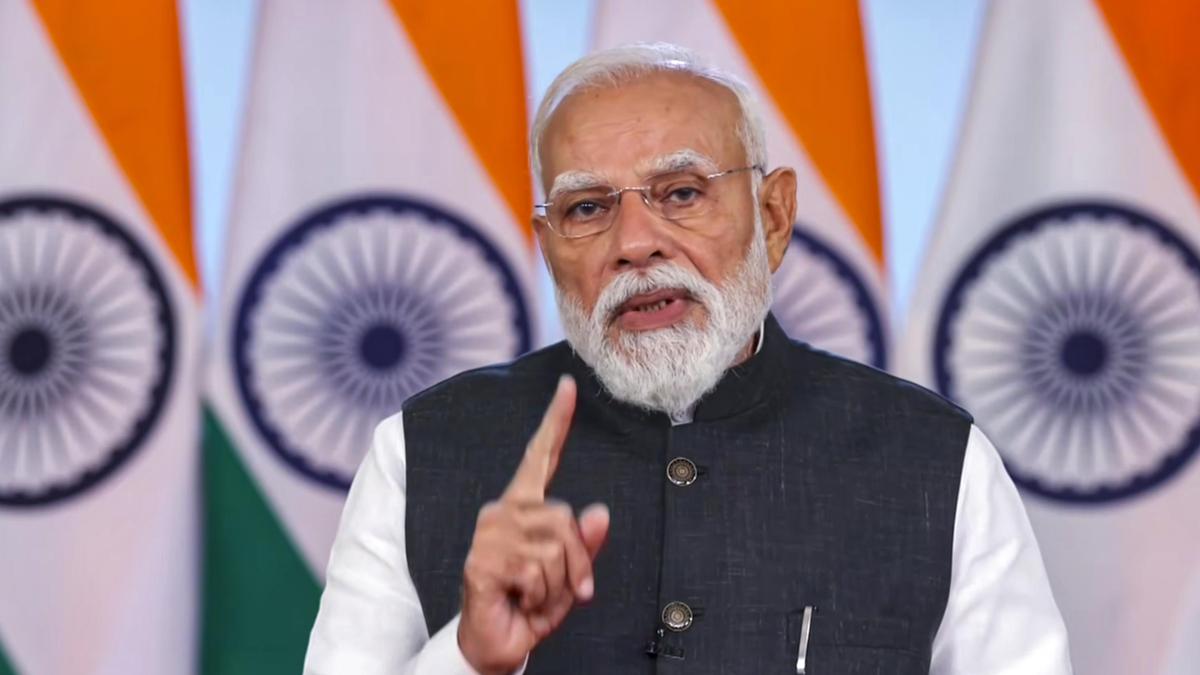
Modi’s National Address After Women’s Reservation Bill Defeat: What It Means
PM Narendra Modi will address India tonight at 8:30 PM following the collapse of the Constitution (131st Amendment) Bill, which sought to reserve 33% of legislative seats for women and increase Lok Sabha seats to 816.
What Happened: Political Setback for Modi’s Reform Agenda
On April 18, 2026, the Lok Sabha rejected the Constitution (131st Amendment) Bill, a signature piece of the Modi government’s social reform effort. The legislation aimed to mandate a 33% reservation for women in the Lok Sabha and state assemblies and to expand the Lok Sabha from 543 to 816 seats based on a new delimitation exercise. The defeat marks a rare legislative setback for Modi’s party, the BJP, which has traditionally commanded strong parliamentary discipline.
PM Modi’s decision to address the nation shortly after signals an effort to contain fallout, reassert leadership, and clarify the road ahead. His address will be watched closely for signals on political strategy, electoral implications, and policy recalibration.
Why It Matters: Women’s Reservation and Parliamentary Expansion are High Stakes
The Women’s Reservation Bill has been a political football in India for decades. Although it enjoys broad public support, it has faced opposition from multiple quarters, including regional parties that fear losing strong male incumbents or community-dominance calculations. Modi’s push to combine women’s reservation with expanding Lok Sabha seats and delimitation—a process impacting electoral boundaries and political power—made this bill a complex political gamble.
The bill’s defeat is a setback for women’s political empowerment in India, where women currently hold around 14% of parliamentary seats, far below the 33% target. The expansion of Lok Sabha seats would also have significant ramifications for political representation, potentially altering the balance between states and regions ahead of the scheduled 2029 delimitation exercise.
This defeat exposes underlying fissures within the BJP’s coalition and parliamentary allies and underscores the challenge of passing transformative but politically sensitive reforms in a diverse, multiparty democracy.
What to Watch Next: Modi’s Response and Political Maneuvers
Modi’s speech tonight is expected to offer clues about his next moves. Will he double down on the cause of women’s reservation, signaling a long-term commitment to cross-party negotiations? Or will he seek to peel away sensitive issues like delimitation from the women’s reservation discussion to win incremental progress?
Politically, Modi faces the risk of emboldening opposition and regional parties that opposed the bill, challenging the BJP’s dominance in the lead-up to the 2029 general election. The government’s handling of the delimitation issue—considered a political “land grab” by some—might also invite further political pushback.
Internationally, the defeat on women’s reservation will draw attention to India’s democratic practices and gender equity commitments at a time when Modi is seeking greater global leadership.
The Modi government now stands at a crossroads: navigate this parliamentary defeat deftly to preserve political capital and credibility or risk denting its reformist image ahead of critical electoral battles.
For deeper context on India’s political landscape and Modi’s policy trajectory, see our India profile and coverage on
Global Politics.
Discover more

India
INDIA Bloc's Delimitation Strategy
The INDIA bloc is using delimitation and women's reservation to challenge the BJP's federalism narrative, setting up a high-stakes fight over representation.
India
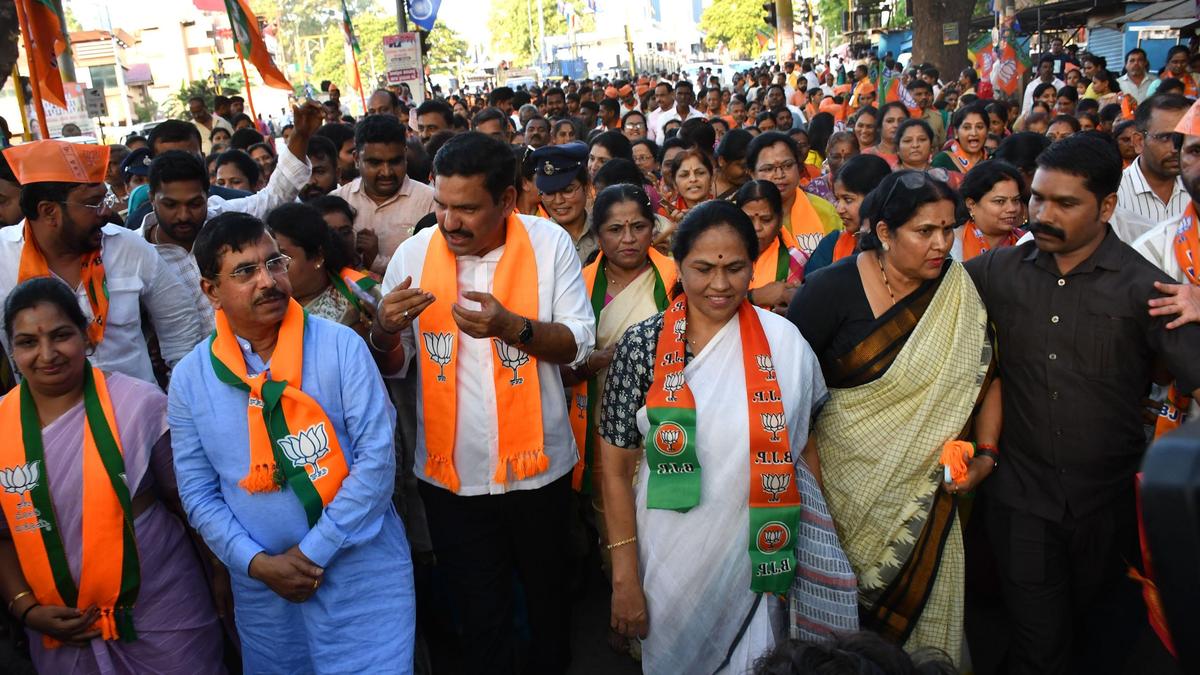
BJP Uses Hubballi Protests for Women's Quota
The BJP is using Hubballi protests to pin blame for delays on women's reservation onto Congress in Karnataka, sharpening its women's quota political offensive.
India
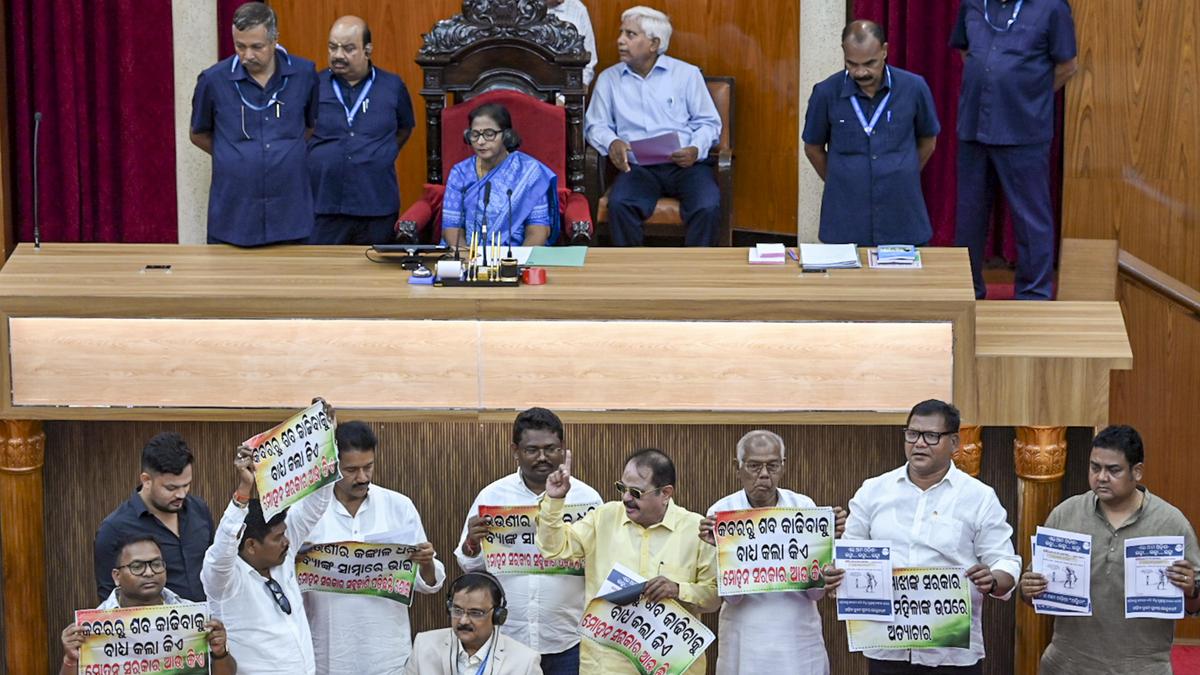
Odisha's Women's Reservation Debate
The fight over women's reservation in Odisha is shaping up as a calculated BJP and BJD strategy aimed squarely at gaining ground before the 2029 elections.
India
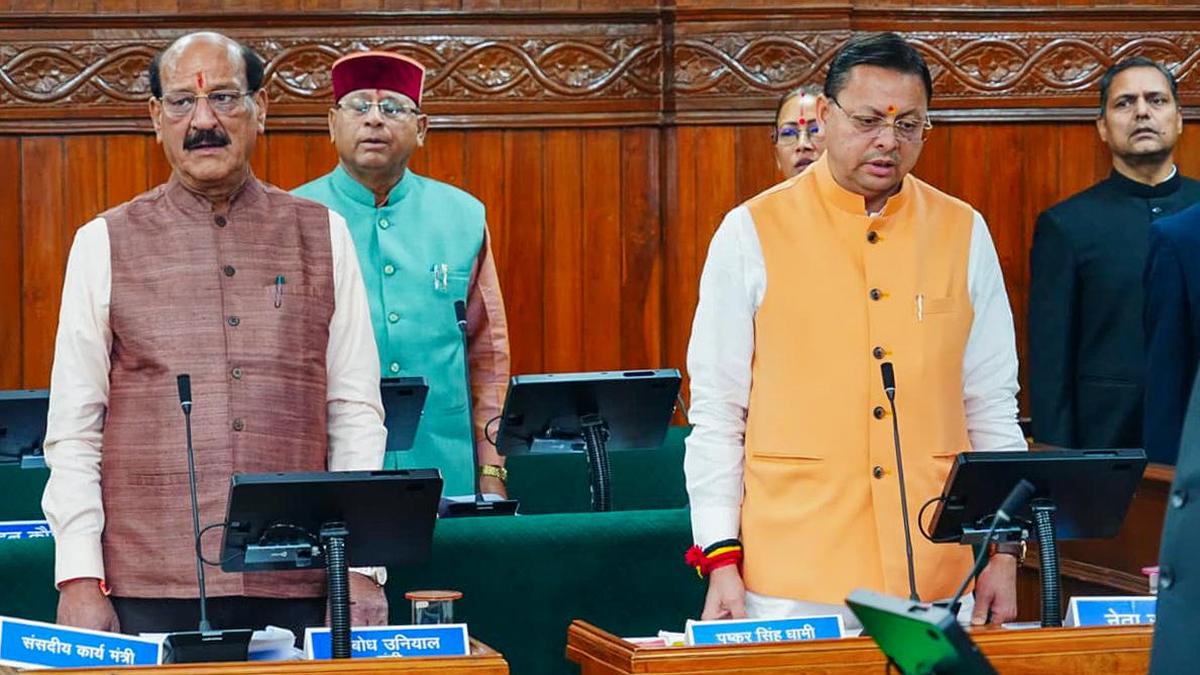
Uttarakhand's Push for Women's Reservation
Uttarakhand CM Dhami's push for women's reservation is a strategic political move that follows national defeat and aims to reclaim momentum for the BJP.