Mitsotakis Rejects Iran's Hormuz Toll Scheme
Greece's stance on shipping tolls in the Strait of Hormuz
Model Diplomat3 min readEurope
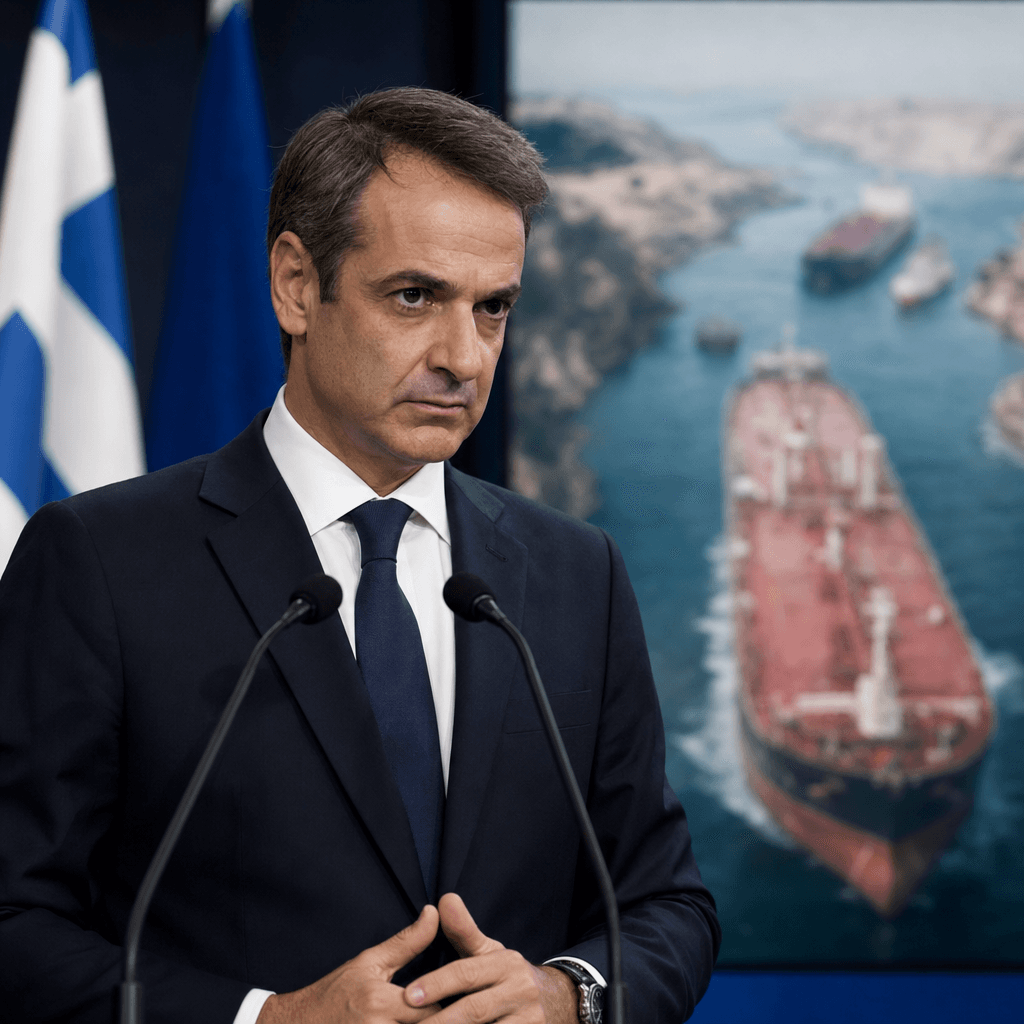
Mitsotakis Draws a Red Line on Iran’s Hormuz Toll
Greece’s shipping leverage is being used to harden a Western no-go: no toll, no precedent in the Strait of Hormuz.
Iran is trying to convert the Strait of Hormuz from a free transit lane into a bargaining chip, and Kyriakos Mitsotakis is answering with a straight veto. In an FT transcript of The Rachman Review, the Greek prime minister said “absolutely, no” to any proposal that would let shipping firms pay Iran a toll to pass through the strait, calling it an “extremely dangerous precedent” and insisting that “Europe cannot accept it” (Financial Times). That is the power dynamic: Tehran is using control over a chokepoint to monetize risk; Athens is using its position at the center of global shipping to make that move politically costly.
Hormuz is the pressure point, not the debate
The issue is not just maritime law. It is leverage over the global economy. Mitsotakis argued that if tolls become normal, freedom of navigation itself becomes a priced political weapon, noting that around 90 per cent of world trade moves by sea (Financial Times). That matters because even a modest surcharge on tanker traffic would ripple into oil pricing, insurance, freight rates and ultimately European inflation. For Greece, the stakes are sharper: its merchant fleet is a core national asset, and any normalization of Hormuz tolls would hand Iran a precedent that could be copied elsewhere.
That is why Mitsotakis framed two red lines as “non-negotiable”: Iran must never get a nuclear weapon, and the Strait of Hormuz must return to the status quo (Financial Times). The political logic is clear. Athens is not shaping the US-Iran talks, but it is signaling where a major maritime power stands before negotiators drift toward pragmatic compromise. For policymakers following
Global Politics, this is a classic case of a medium-sized state trying to turn commercial exposure into diplomatic weight.
Greece is selling itself as the anti–debt trap case
The second half of the interview was about Greece’s own recovery, and that is part of the message. Mitsotakis said Greece has cut public debt as a share of GDP faster than any eurozone country in history, is running primary surpluses, and should no longer be the most indebted country in Europe by the end of 2026 (Financial Times). He paired that with a warning against fiscal complacency: the real challenge is translating macro gains into better living standards, while still wrestling with inflation and unfinished reforms.
That domestic pitch matters internationally. A Greek leader who can talk credibly about escaping a debt trap can also argue that strategic autonomy in Europe requires economic discipline, not just defense rhetoric. It also gives Athens more room to press the EU on energy integration, shipping rules and sanctions enforcement without sounding like a weak supplicant. The hook here is not moral authority; it is fiscal credibility.
Al Jazeera’s reporting suggests Iran is already testing how far it can turn this chokepoint into revenue, saying Tehran has floated tolls, insurance and even cryptocurrency-linked payment schemes for Hormuz transits (Al Jazeera). But that same reporting underlines the obstacle: shipowners, ports and insurers still rely on established legal and financial systems, and most will not touch a structure that lacks enforceability (
Al Jazeera).
What to watch next
The next decision point is whether the US and its partners publicly reject any Hormuz toll or insurance workaround, and whether any major shipowner actually tries to pay. If no one does, Iran’s scheme stays coercive theater. If someone does, the precedent is set. Keep an eye on the next round of US-Iran contacts and on whether shipping firms begin pricing Hormuz as a political toll road rather than an open sea lane.
Discover more

Global Politics
US Seizes Iranian Ship, Tensions Surge
The US seizure of the Iranian ship Touska highlights a shift in control over the Strait of Hormuz, favoring Iran's strategic position.

Conflict & Security
Drone Warfare Killing Aid Workers at Unprec
Over 1,000 humanitarian workers killed in three years as cheap armed drones collapse legal protections. Gaza, Sudan, Ukraine, and DRC see deliberate targeting of aid convoys and hospitals with zero prosecutions.
Global
World Normalises Taliban as Afghan Women Eras
UN data shows Afghan women erased from public life as Russia recognises the Taliban, EU hosts officials in Brussels, and ICC warrants for gender persecution go unenforced.
Conflict & Security
West Africa Food Crisis: Three Shocks in 2026
Conflict, climate extremes, and the Strait of Hormuz closure drive a severe food crisis in West and Central Africa, with fertilizer prices surging 80% and millions displaced.