Mike Johnson's House Leadership Struggles
Speaker Johnson navigates GOP divisions amid funding crises.
Model Diplomat3 min readNorth America
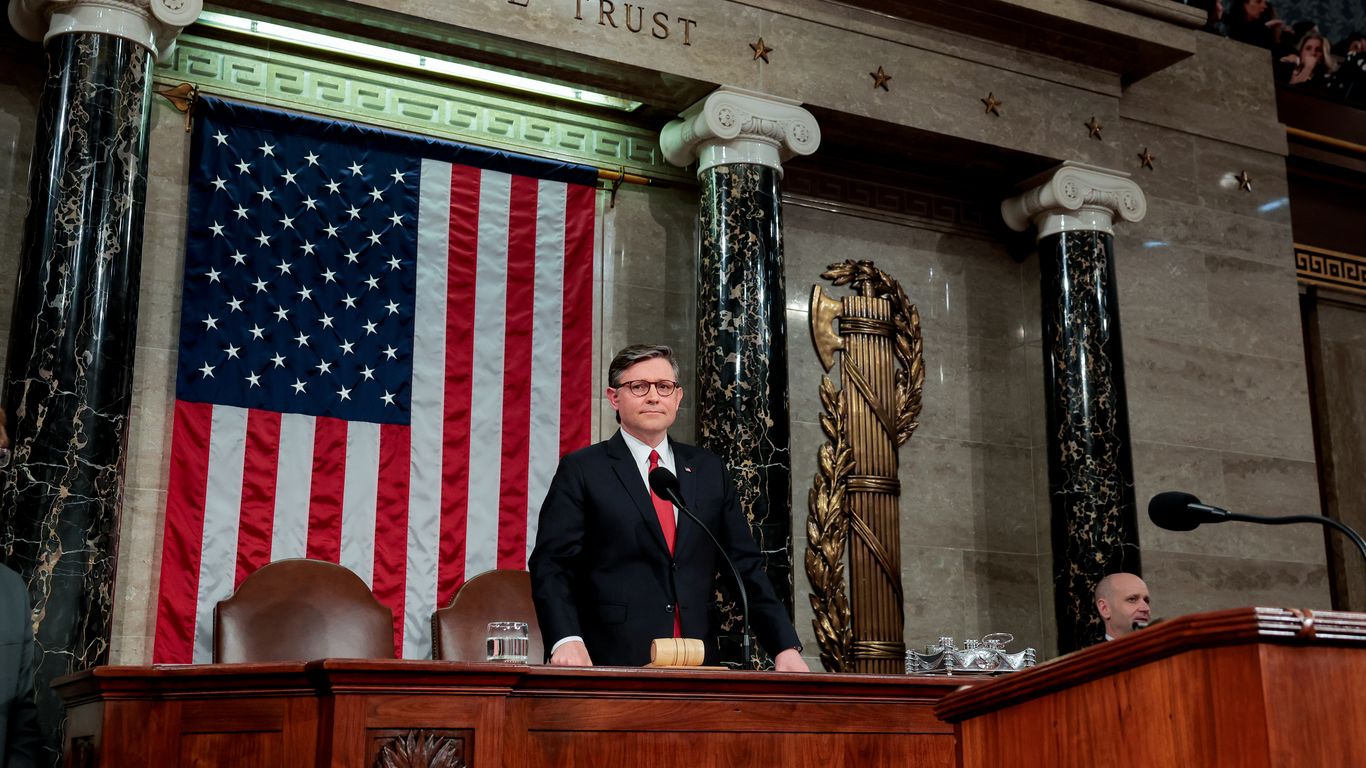
Johnson Wins the Vote, Not Control of the House
Mike Johnson blunted a GOP revolt, but hardliners still hold veto power over DHS funding, FISA and the House’s next moves.
Speaker Mike Johnson has contained the immediate rebellion, but he has not solved the underlying power problem. Axios reports Johnson put down a Republican revolt that had left the House agenda in limbo, underscoring how little room he has to maneuver with a razor-thin majority. In this House, a small bloc of defectors can shut down floor action, delay leadership plans, and force Johnson into short-term fixes instead of durable deals. Johnson puts down GOP revolt that left House agenda in limbo
One vote to lose: Life inside a chaotic House GOP majority | CNN Politics
The real leverage sits with Johnson’s right flank
The revolt matters because it hit during a week when House Republicans were already overloaded: an unresolved DHS funding standoff, a looming FISA Section 702 deadline, and other agenda items including the farm bill. CNN reported on April 27 that Republicans were bracing for a “nightmare week” as pressure mounted to end a 72-day DHS funding standoff, with DHS reserves nearing exhaustion. Hill GOP braces for ‘nightmare week’ as pressure mounts to end DHS funding standoff | CNN Politics
Johnson’s problem is not simply Democratic opposition. It is competing Republican vetoes. Privacy hawks want tighter limits on surveillance powers; hardline conservatives want immigration and enforcement concessions tied to funding bills. That split already broke leadership’s first plan on FISA: the House had to settle for a 10-day extension through April 30 after a longer reauthorization collapsed amid GOP defections. House agrees to 10-day FISA extension after collapse in GOP talks | CNN Politics
Who benefits from the paralysis
Johnson benefits in the narrow sense: he avoided a public loss that would have further weakened his speakership. But the broader beneficiary is the Senate, especially Majority Leader John Thune. The more the House proves it cannot move clean partisan bills, the more it is pushed toward Senate-shaped compromises and “technical fixes” rather than House-designed outcomes. CNN reported that Thune was open to limited fixes on DHS funding while Johnson objected to the Senate bill’s language, a sign that bargaining power is already shifting across the Capitol. Hill GOP braces for ‘nightmare week’ as pressure mounts to end DHS funding standoff | CNN Politics
GOP leaders declare path to end DHS shutdown — but enormous hurdles remain | CNN Politics
The losers are House committee chairs and rank-and-file Republicans who need floor time for substantive legislating. In broader US Politics and the balance of power in the
United States, repeated procedural rebellions convert majority control into little more than crisis management.
What to watch next
The next hard deadline is April 30 on FISA. The next strategic test is whether Johnson can turn this procedural win into a governing coalition on DHS funding. If he cannot, this week’s revolt will look less like an isolated flare-up than the operating model for the rest of the House spring agenda. House agrees to 10-day FISA extension after collapse in GOP talks | CNN Politics
Johnson puts down GOP revolt that left House agenda in limbo
Discover more
US Politics
Next Generation Republicans
A leaked survey shows 39% of Republicans under 30 do not identify as MAGA, revealing a split in the GOP's future leadership.

Conflict & Security
Drone Warfare Killing Aid Workers at Unprec
Over 1,000 humanitarian workers killed in three years as cheap armed drones collapse legal protections. Gaza, Sudan, Ukraine, and DRC see deliberate targeting of aid convoys and hospitals with zero prosecutions.

Global
World Normalises Taliban as Afghan Women Eras
UN data shows Afghan women erased from public life as Russia recognises the Taliban, EU hosts officials in Brussels, and ICC warrants for gender persecution go unenforced.
Conflict & Security
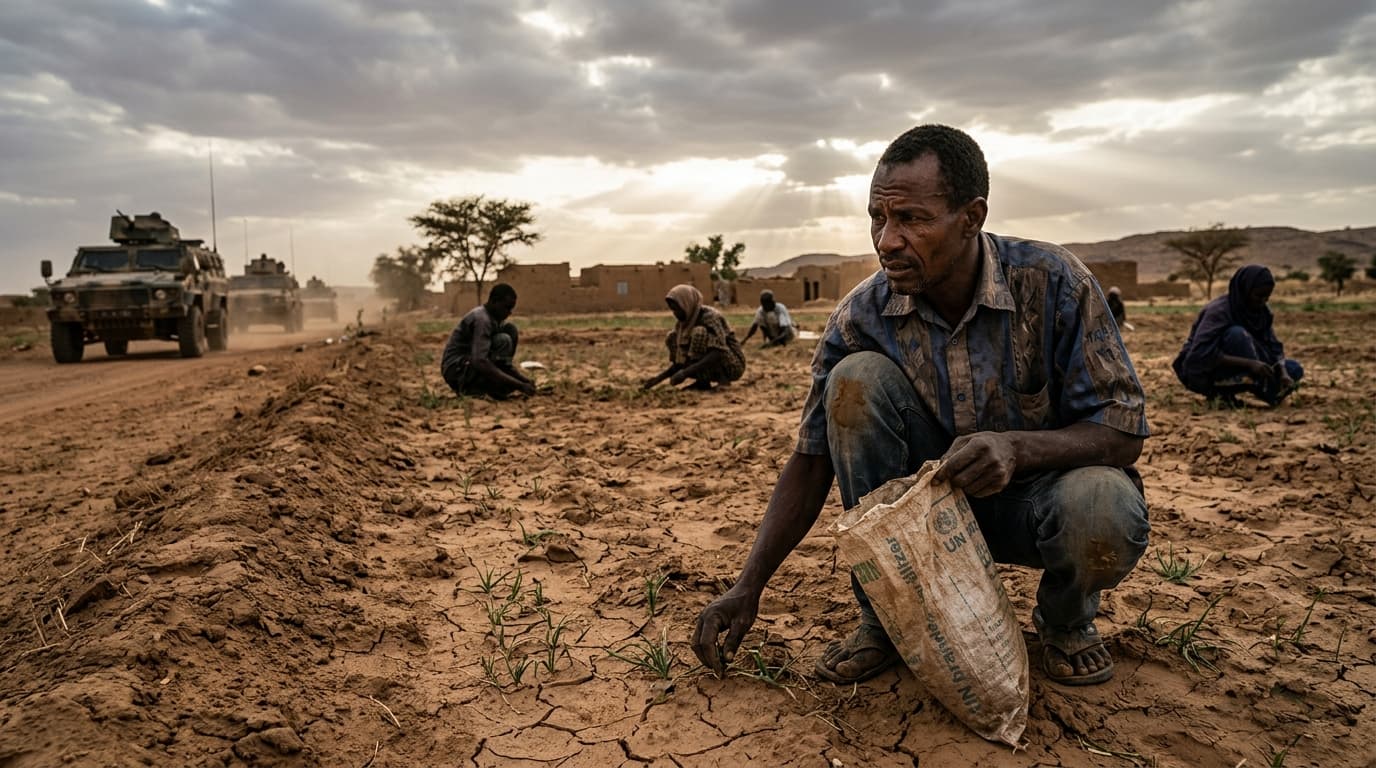
West Africa Food Crisis: Three Shocks in 2026
Conflict, climate extremes, and the Strait of Hormuz closure drive a severe food crisis in West and Central Africa, with fertilizer prices surging 80% and millions displaced.