Manoj Parab’s exit strips Goa’s newest challenger
The Revolutionary Goans Party was built to attack Goa’s “old order.” Parab’s resignation shows the movement is now being consumed by the factionalism it used to campaign against.
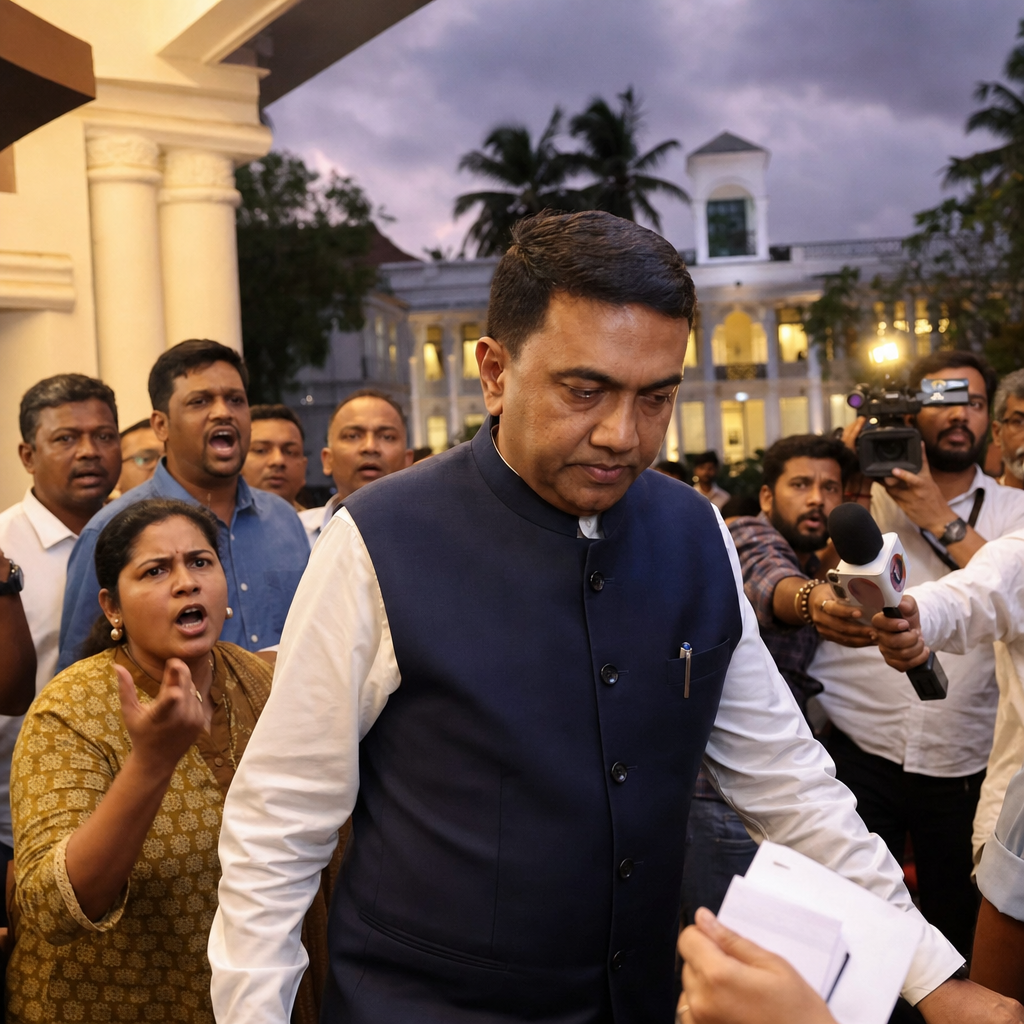
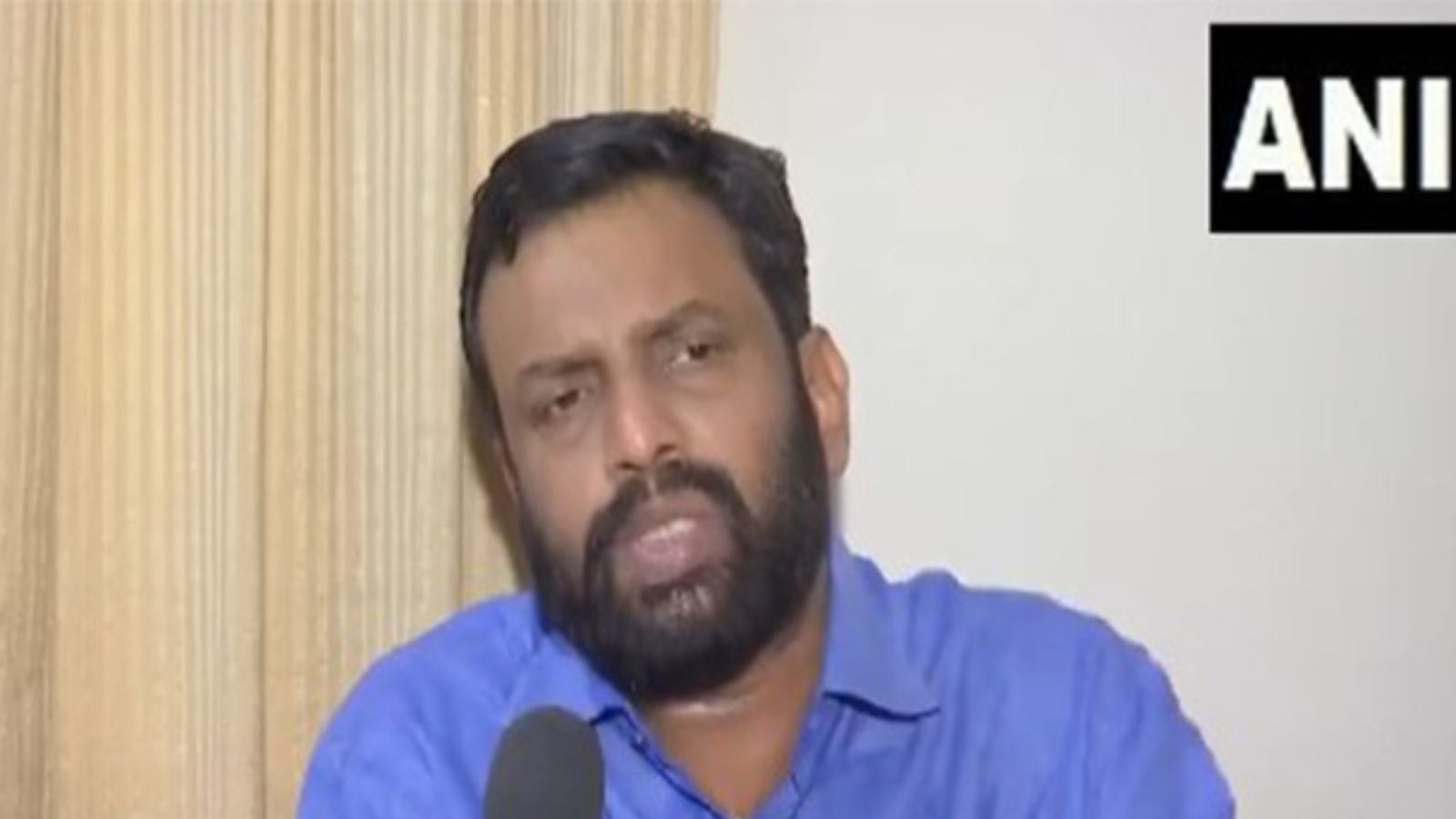
Manoj Parab has resigned as president of the Revolutionary Goans Party and said he is quitting active politics “forever,” blaming “dirty politics,” internal rifts and “individual power-centric politics” in his resignation letter, reported  The Indian Express. The immediate power shift is simple: the party loses the one figure who gave it identity, messaging discipline and anti-establishment credibility. Parab also said he was taking responsibility for failing to strengthen the organisation, which underlines that this is not just a personal exit but an organisational collapse in real time.
Why this matters in Goa
The Revolutionary Goans Party did not begin as a routine regional outfit. It was registered in 2021 and then surprised Goa’s political establishment in the 2022 Assembly election by winning a seat and nearly 10% of the vote, on a platform built around the “POGO” or Person of Goan Origin Bill, local jobs, land, housing and the defense of Goan identity, according to  The Hindu. That mattered because Goa’s politics has long rewarded parties that can turn identity into a governing argument, not just a slogan.
Parab’s party also did more than win protest votes. The Hindu noted that the RG’s debut “cannibalised” opposition votes and indirectly helped the BJP, which is the key strategic point here: a fragmented anti-incumbency bloc often benefits the dominant party even when the new entrant looks disruptive. Parab’s departure therefore helps the BJP less by strengthening it directly than by weakening the one regional force that could still siphon votes from both national parties and speak in a sharper Goan idiom.
The likely fallout
This resignation leaves the party with two problems at once. First, it loses the face of the movement; second, it confirms the factional split that Parab cited after weeks of tension. That makes the party’s lone seat and its wider network harder to hold together. In a state where a few percentage points can decide who wins and who gets squeezed out, organizational decay matters more than rhetoric.
The broader opening is for the BJP, which has the advantage when opposition space is divided, and for older regional outfits that may try to reclaim the “Goenkar” pitch the Revolutionary Goans once owned. But those parties will only benefit if they can prove they are not simply rebranded protest machines. Parab’s exit has created exactly the sort of vacuum that Goa’s regional politics rarely fills cleanly.
What to watch next is whether the Margao faction breaks away formally, whether Viresh Borkar can keep the party’s lone legislative base intact, and whether Parab’s resignation triggers further defections before the next electoral cycle. For a state where identity politics is often the real battleground, the test is whether the Revolutionary Goans can survive without the man who sold the revolution.