Mandelson Vetting Row Exposes Security Risks
Debate over Mandelson's security clearance intensifies.
Model Diplomat3 min readEurope
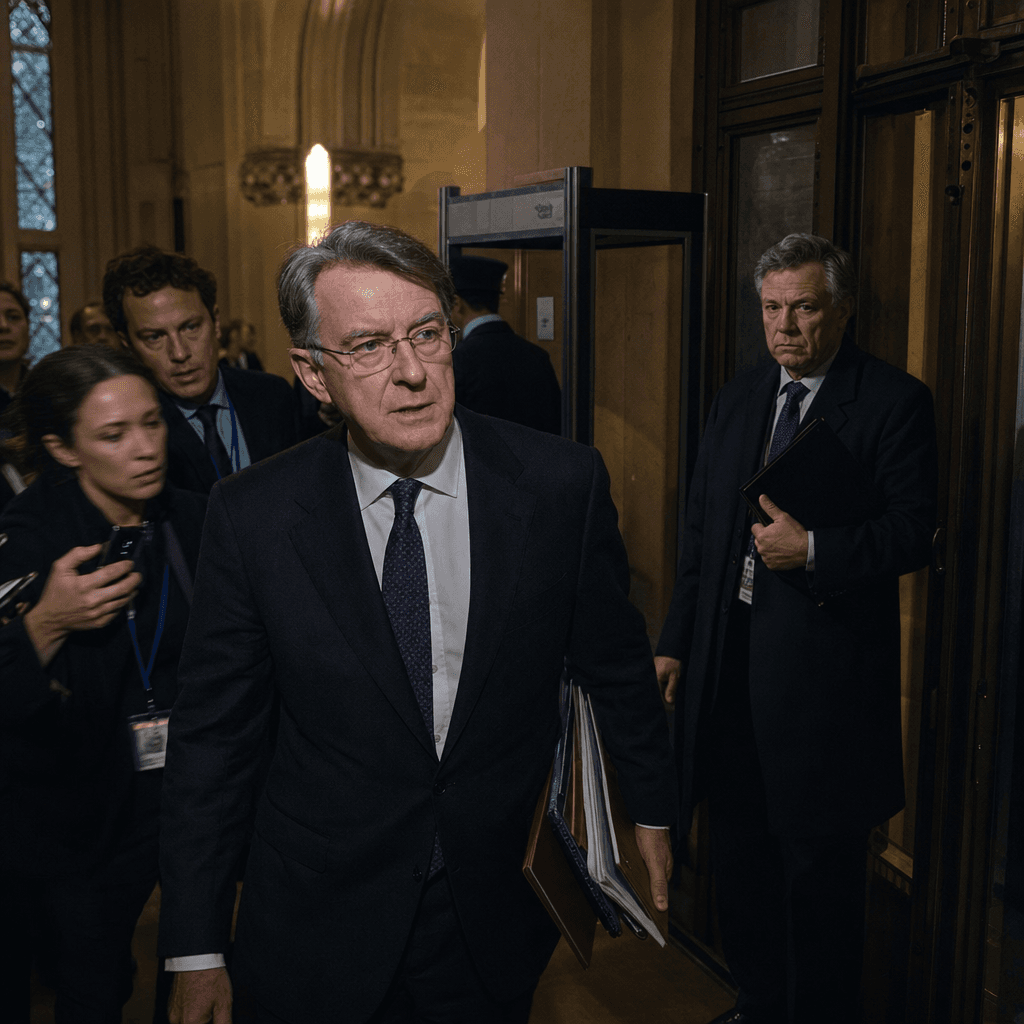
Mandelson Vetting Row Exposes Britain’s Security Risk
Dearlove’s intervention sharpens pressure on Starmer: the issue is no longer whether risks existed, but whether any government could really have managed them.
Peter Mandelson’s security clearance was already controversial; now a former MI6 chief has made the defence of it far harder. Richard Dearlove said it would have been “totally impossible” to manage Mandelson’s associations with senior figures in China, Russia and Israel through mitigations, after the Guardian reported that UK security vetting had flagged those links before he became ambassador to Washington (The Guardian).
The power dynamic is straightforward: Downing Street is on the back foot. It backed Mandelson’s appointment, but the Foreign Office’s own vetting unit reportedly recommended that clearance be denied in early 2025, before officials overrode it with what they called “management actions” or mitigations (The Guardian,
BBC News). If that account holds, the government is not just defending a personnel choice; it is defending the proposition that sensitive diplomatic access can be safely compartmentalised around a politically valuable appointee.
Why Dearlove’s view matters
Dearlove is not adding gossip; he is puncturing the core logic of the government’s defence. He told the Guardian he could imagine only one real mitigation — restricting which embassy papers Mandelson could see — and called that “totally impossible” in practice (The Guardian). That matters because the Foreign Office’s case depends on the opposite: that risks identified by UK Security Vetting could be managed without blocking the appointment.
The BBC has separately reported that Sir Olly Robbins, the former permanent secretary who approved the clearance, said the agency saw Mandelson as a “borderline case” and that the highest risks could be “managed and/or mitigated,” while also accusing No. 10 of taking a “dismissive attitude” to the vetting process (BBC News,
BBC News). That leaves the government boxed in between two senior officials: one saying the risks could be handled, another saying the mechanism was unreal.
The political damage is wider than Mandelson himself. This row now tests whether Britain’s system can still separate prestige appointments from security judgment. If a figure like Mandelson can be cleared despite a denial recommendation, then the issue is not a single ambassadorial post; it is the credibility of the clearance process across Global Politics and, more broadly, the state’s handling of elite access in an era of Chinese, Russian and other foreign influence operations.
What to watch next
The next decision point is parliamentary. The intelligence and security committee and the Foreign Affairs Committee are pushing for the underlying files and for a precise account of what “mitigations” actually existed (The Guardian,
BBC News). If the government cannot produce documents showing how the risks were contained, the story shifts from bad judgment to institutional failure.
Watch for two things: first, whether ministers release fuller vetting material; second, whether Starmer’s team treats this as a one-off embarrassment or as a test case for how much political pressure can bend security procedure. The date that matters is the next committee evidence session — because that is where the government will either substantiate its mitigation story or concede it has none.
Discover more
India
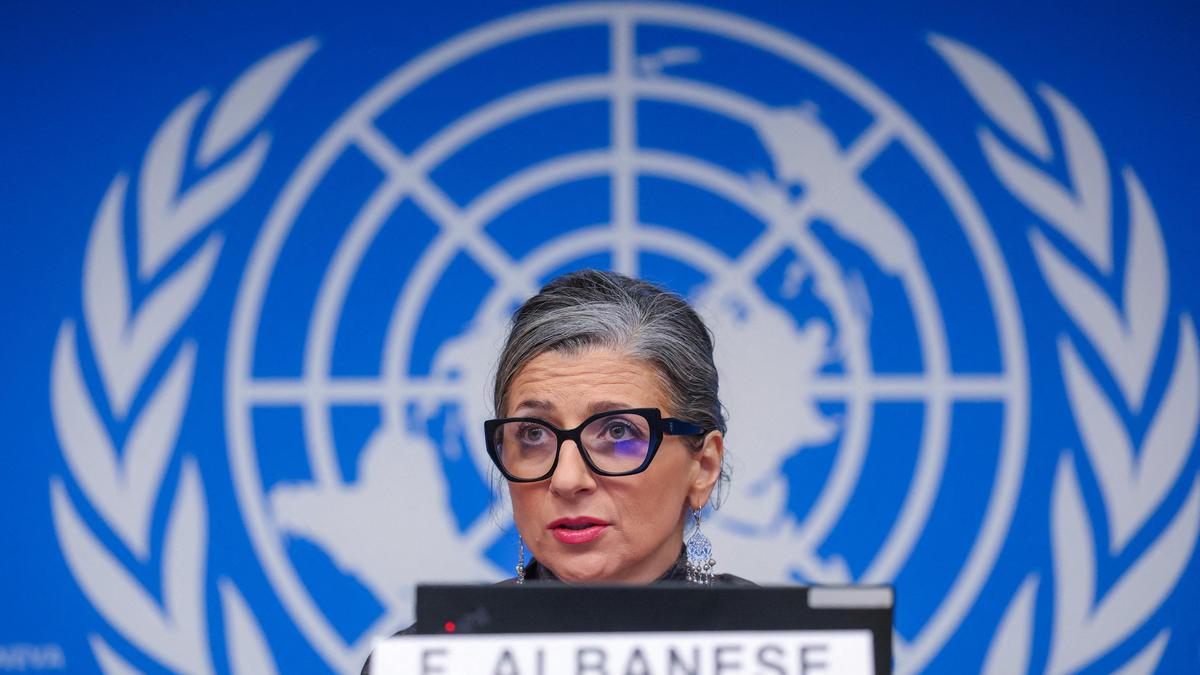
UN Expert Albanese: India Violates Law
UN Rapporteur Francesca Albanese accuses India of breaching international law, spotlighting human rights concerns in Kashmir and prompting diplomatic pushback.

Conflict & Security
Drone Warfare Killing Aid Workers at Unprec
Over 1,000 humanitarian workers killed in three years as cheap armed drones collapse legal protections. Gaza, Sudan, Ukraine, and DRC see deliberate targeting of aid convoys and hospitals with zero prosecutions.

Global
World Normalises Taliban as Afghan Women Eras
UN data shows Afghan women erased from public life as Russia recognises the Taliban, EU hosts officials in Brussels, and ICC warrants for gender persecution go unenforced.
Conflict & Security
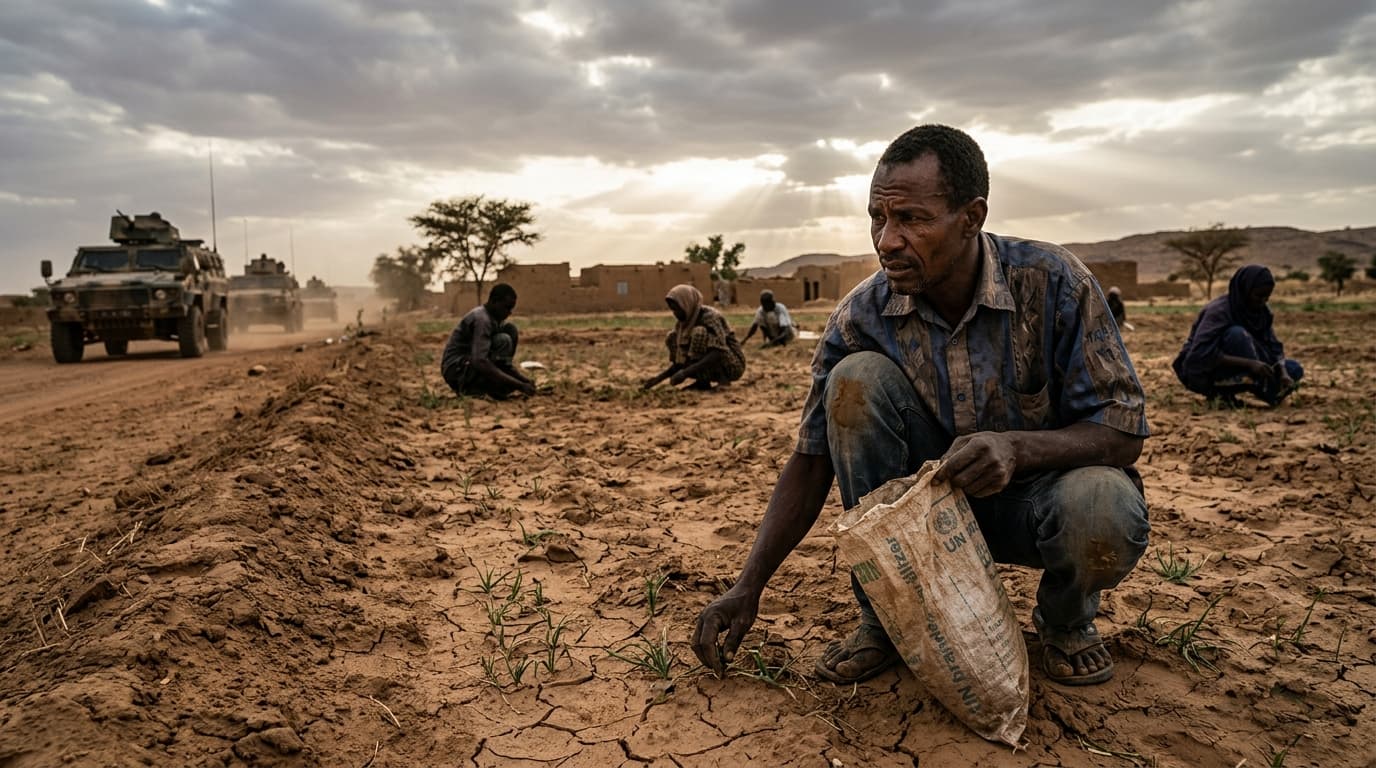
West Africa Food Crisis: Three Shocks in 2026
Conflict, climate extremes, and the Strait of Hormuz closure drive a severe food crisis in West and Central Africa, with fertilizer prices surging 80% and millions displaced.