Maliwal's AAP Break Reveals Kejriwal's Crisis
Swati Maliwal's departure highlights AAP's internal turmoil.
Model Diplomat3 min readDelhi
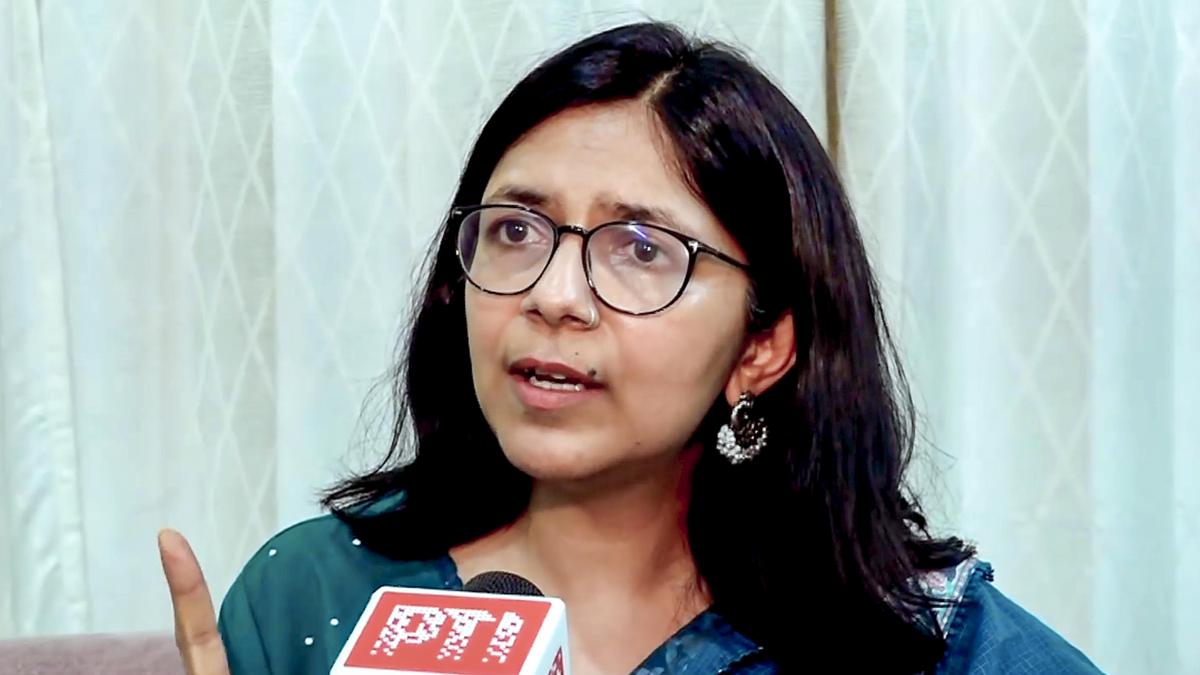
Based on my research, here's the analysis piece:
Maliwal's AAP Assault Exposes Kejriwal's Shrinking Inner Circle
As Maliwal breaks ranks, Raghav Chadha's removal as Rajya Sabha Deputy Leader signals AAP's internal collapse is accelerating.
Swati Maliwal, AAP's Rajya Sabha MP and former chairperson of the Delhi Commission for Women, has declared that "no one can work with Kejriwal" — the sharpest public rebuke yet from a figure who was once a loyal face of the party. The statement, reported by The Hindu, frames AAP not merely as a party in electoral decline, but as one experiencing an internal authority crisis around its founding leader.
The Pattern Is Now Undeniable
Maliwal's break is not isolated. In April 2026, Raghav Chadha — long considered Kejriwal's closest political protégé — was stripped of his position as AAP's Deputy Leader in the Rajya Sabha after months of mutual recrimination with party leadership, according to Frontline. Chadha had been instrumental in AAP's Punjab strategy and served as its most visible national spokesperson. His removal, now followed by Maliwal's public statement, completes a picture of a leadership structure that is purging or alienating its own architects.
The backdrop is severe electoral damage. The BJP won the February 2025 Delhi Assembly election, ending AAP's decade-long hold on the capital — Delhi CM Rekha Gupta subsequently declared voters had "served justice." In December 2025 MCD bypolls, BJP won 7 of 12 contested wards to AAP's 3. Kejriwal remains the party's face but now commands neither government nor a coherent legislative bloc.
Who Holds the Leverage Now
Maliwal retains her Rajya Sabha seat and, crucially, her credibility as a women's rights advocate — the same platform that made her a political asset for AAP. Her 2024 assault allegations against Kejriwal aide Bibhav Kumar inside the Chief Minister's residence never fully resolved to Kejriwal's benefit publicly, and the episode appears to have permanently severed her loyalty. By going on record with a sweeping indictment of the party's internal culture, she is positioning herself for an exit that could be leveraged by rivals — most obviously the BJP — as opposition to Kejriwal from within his own ideological ecosystem.
Kejriwal still holds the party machinery and the Punjab government through CM Bhagwant Mann, which remains AAP's only significant governmental power base. A Delhi court's discharge of Kejriwal in the excise policy case gave him a legal lifeline, but the CBI has appealed and the Delhi High Court is now seized of the matter — keeping legal risk alive.
The party that built its brand on internal democracy and anti-corruption is now being described by its own members as unworkable from the top down. That is a branding catastrophe for an outfit whose entire legitimacy rested on the contrast with traditional political culture. For more on India's shifting political landscape, the AAP case is increasingly central.
What to Watch Next
Three inflection points define the near-term picture. First, whether Maliwal formally exits AAP or is expelled — either outcome triggers a media and legal cycle that damages Kejriwal further. Second, the Delhi High Court's ruling on the CBI's appeal in the excise case; a reversal re-opens criminal exposure and would destroy AAP's "vindicated" narrative. Third, Punjab's 2027 assembly election: if AAP's internal dysfunction bleeds into the Mann government's approval ratings, it loses its last executive platform and Kejriwal's claim to national relevance collapses entirely.
The party that won 62 of 70 Delhi seats in 2020 is now in a battle for organisational survival. The question is no longer whether AAP fragments — it is how fast, and who catches the pieces.
Discover more
India
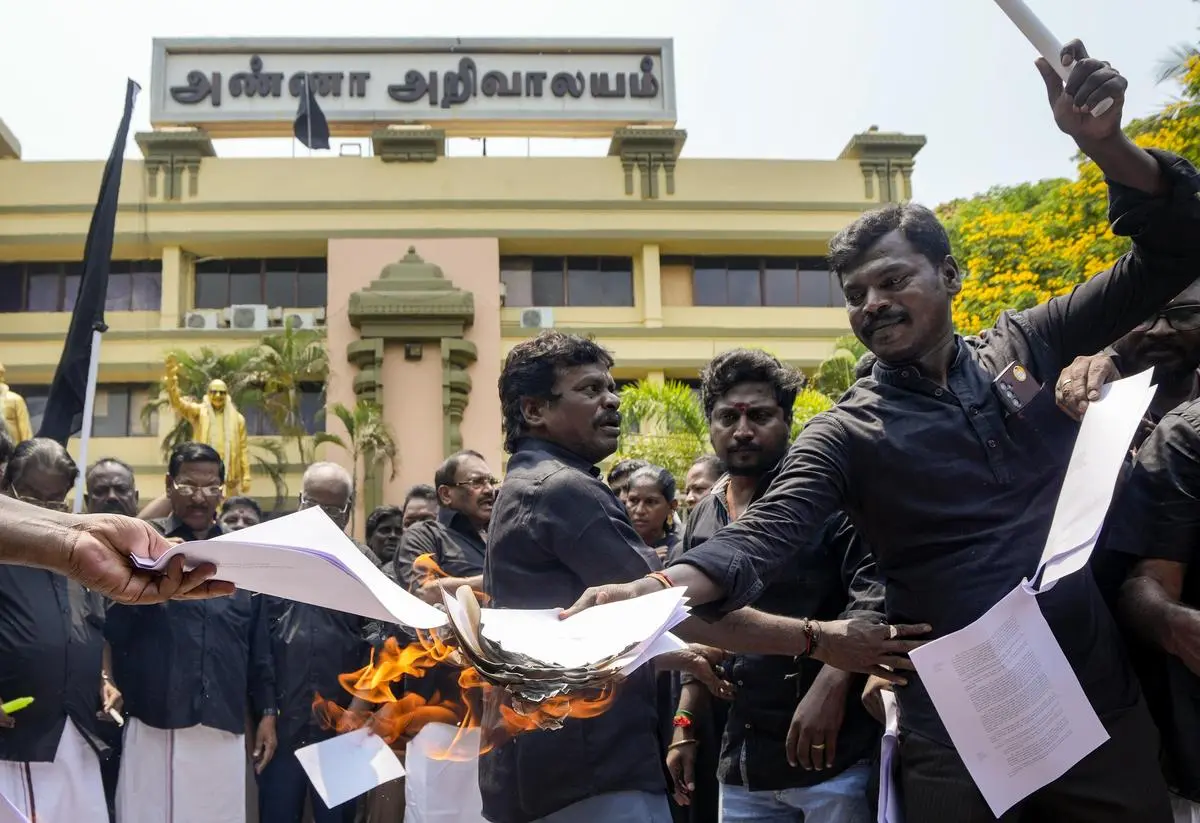
Women’s Reservation Bill 2026
The Constitution (131st Amendment) Bill, 2026 was defeated in Lok Sabha, revealing deeper political conflicts over women's reservation and delimitation.
India
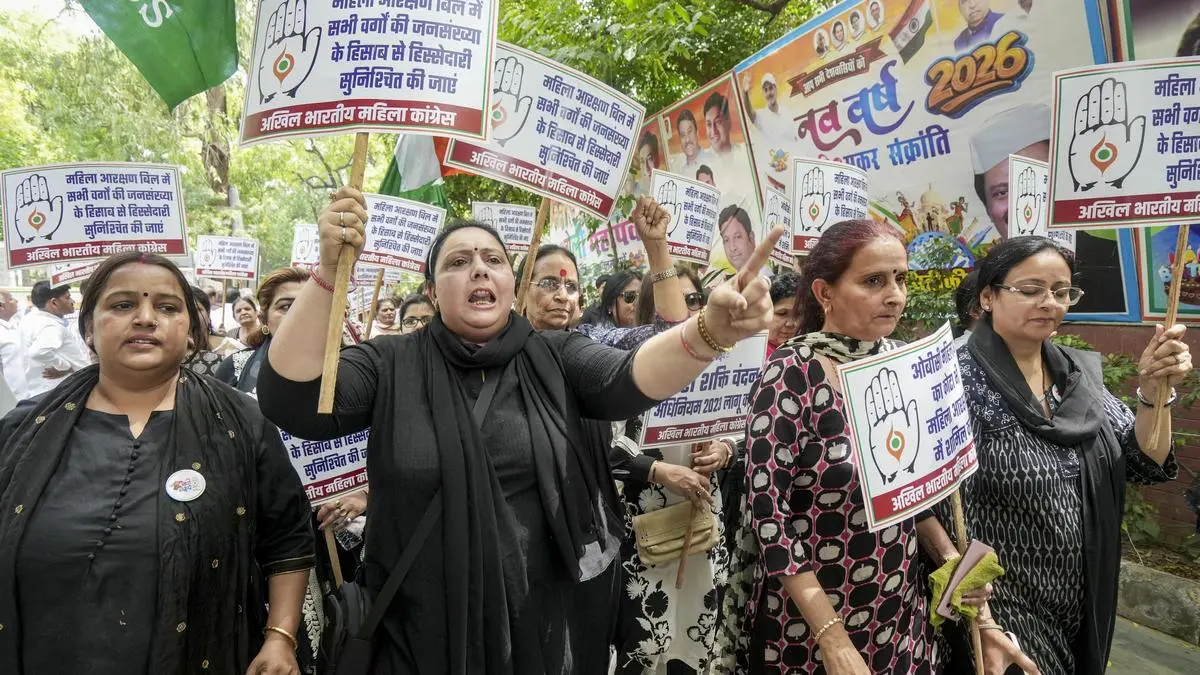
BJP's Misunderstanding of Women's Quota Needs
The BJP's linking of the Women Reservation Bill to delimitation risks delaying women's empowerment in India, misreading the aspirations of female voters.

Conflict & Security
Drone Warfare Killing Aid Workers at Unprec
Over 1,000 humanitarian workers killed in three years as cheap armed drones collapse legal protections. Gaza, Sudan, Ukraine, and DRC see deliberate targeting of aid convoys and hospitals with zero prosecutions.

Global
World Normalises Taliban as Afghan Women Eras
UN data shows Afghan women erased from public life as Russia recognises the Taliban, EU hosts officials in Brussels, and ICC warrants for gender persecution go unenforced.