Madras HC Demands Action for Elephant Calf
Court demands swift measures amid human-wildlife conflict
Model Diplomat2 min readAsia
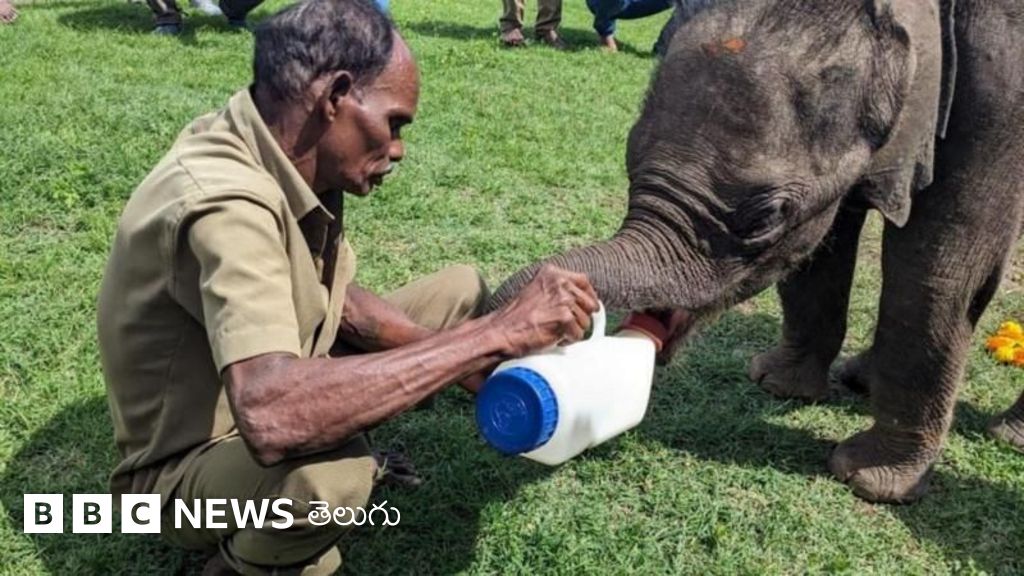
Madras HC Presses for Elephant Calf Safety Amid Herd Pursuit
Madras High Court demands action as distressed elephant herds chase a lost calf, highlighting critical human-wildlife conflict issues in Tamil Nadu.
Herd Instinct Meets Legal Scrutiny
The Madras High Court has intervened following reports of distressed elephant herds exhibiting unusually aggressive behavior as they search for a lost calf. This intervention escalates a critical human-wildlife encounter, placing the court at the center of demanding accountability from forest authorities. The immediate concern is the safety of the calf, its mother, and the potential danger posed to nearby human settlements as the agitated herds traverse more familiar territories. The court's inquiry signals a demand for swift, decisive action beyond standard wildlife management protocols.
The Deepening Human-Elephant Divide
This incident underscores the escalating challenges of human-elephant conflict across India, particularly in regions like Tamil Nadu where habitat fragmentation forces wildlife into closer proximity with human populations. Agricultural encroachment and expanding infrastructure have shrunk vital elephant corridors, leading to increased instances of crop raiding, property damage, and, tragically, loss of life on both sides. In this situation, local communities stand to lose from property damage and potential injury, while conservation efforts face immense pressure to balance wildlife protection with human safety. The Madras High Court's historical activism in environmental matters means its involvement here is not merely procedural but a powerful push for systemic solutions.
Next Moves on the Ground and in Court
The immediate focus will be on the forest department’s strategy to locate and reunite the calf with its herd, a delicate operation that requires minimizing further stress on the animals and ensuring public safety. Observers will watch for any specific directives issued by the Madras High Court in its next hearing, which could mandate new approaches to corridor management or conflict mitigation. The effectiveness of these interventions will determine whether this incident sparks a significant shift in policy or remains an isolated, albeit alarming, event within the persistent challenge of Conflict. The critical decision point is whether authorities can successfully de-escalate the immediate threat and implement long-term strategies to prevent future occurrences in ecologically sensitive areas of
India.
Discover more
India
CPI MP Accuses PM Modi of MCC Violations
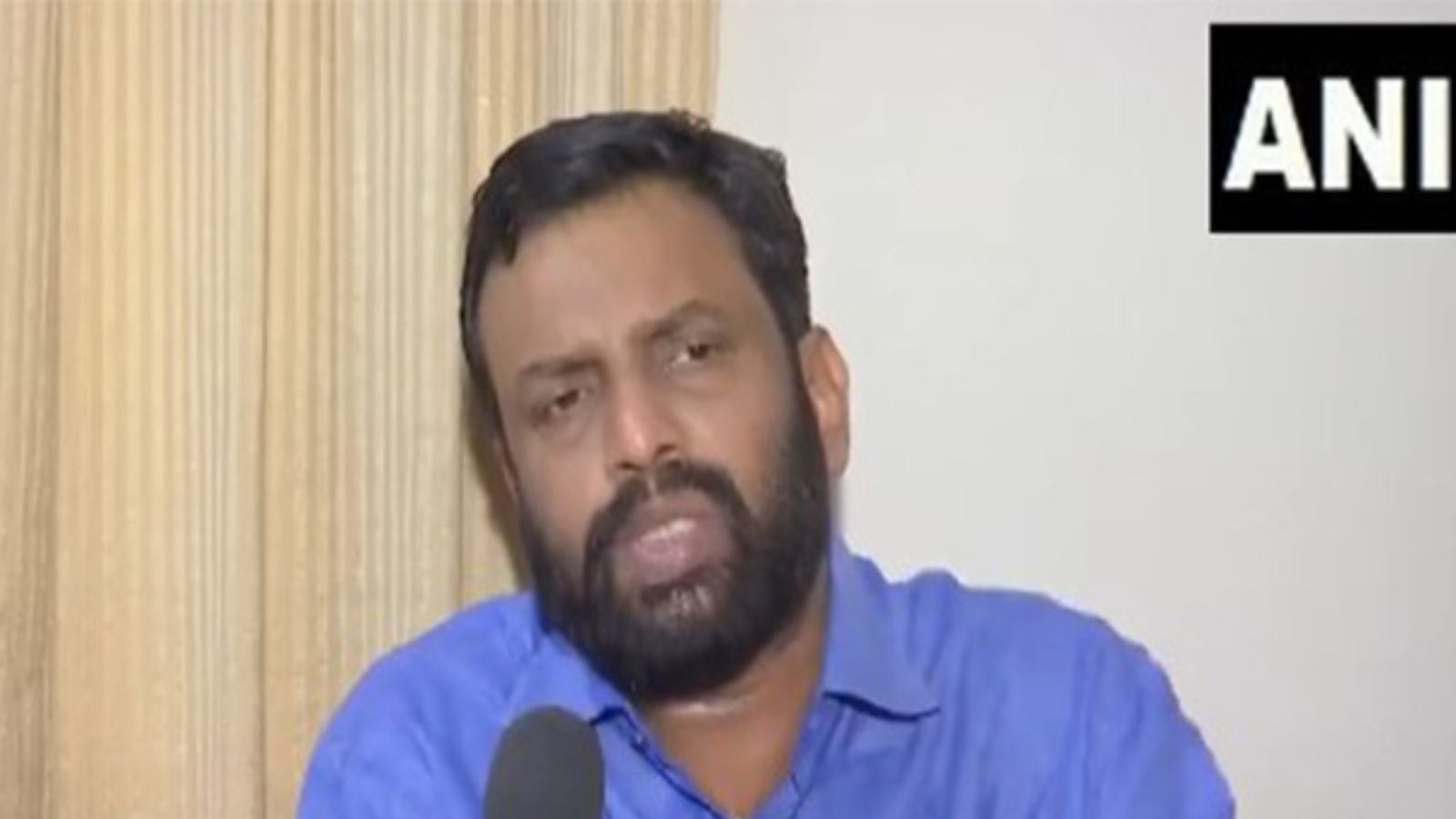
CPI MP P Sandosh Kumar alleges PM Modi violated MCC during Tamil Nadu visit, raising serious election integrity issues ahead of 2026 Assembly elections.
India
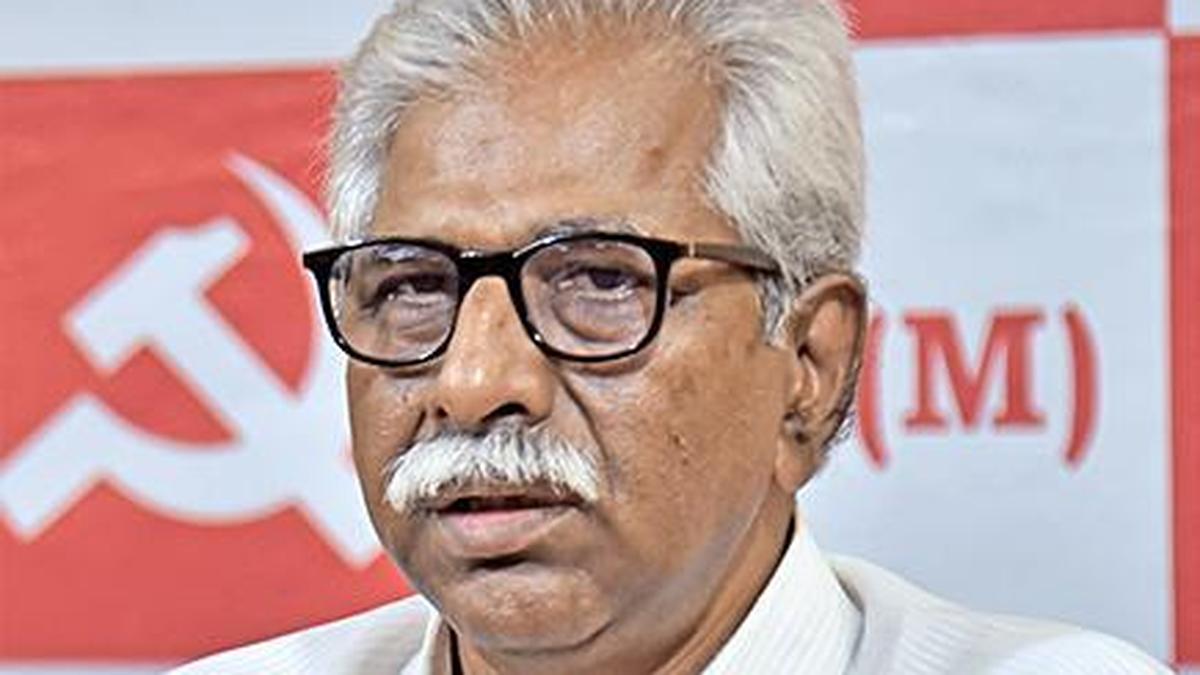
CPI(M) Calls to Decouple Quota from Delimita
CPI(M) demands the Indian government to separate quota policies from delimitation to enhance representation for marginalized communities.

India
UN Expert Albanese: India Violates Law
UN Rapporteur Francesca Albanese claims India is breaching international law, raising human rights issues in Kashmir and beyond.
Conflict & Security
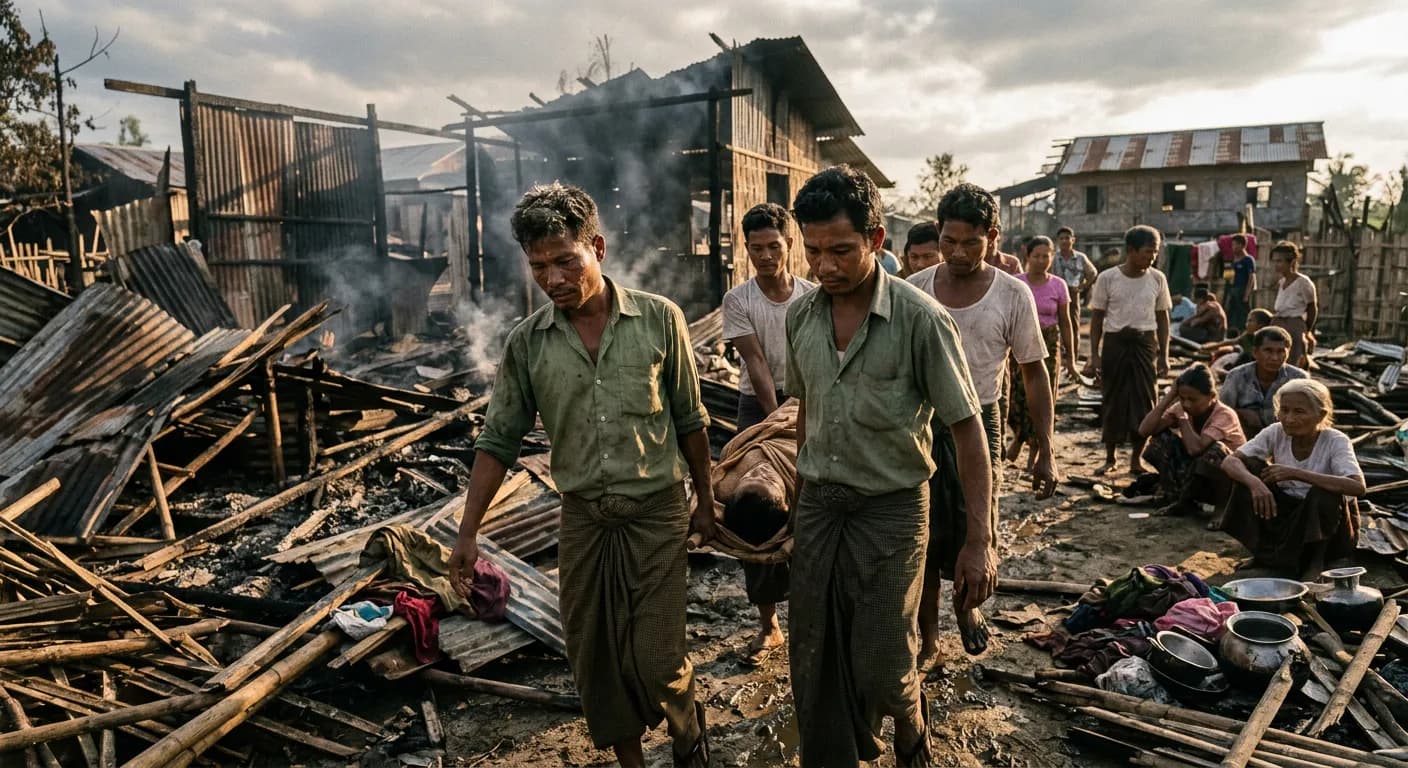
Kyauktaw Airstrike: Junta Tactics in Rakhine
Myanmar military airstrike in Kyauktaw kills at least seven civilians, reflecting a desperate strategy against ethnic opposition.