Macron Condemns US Tariff Threats Amid EU T r
Macron warns against US tariffs distracting from security issues.
Model Diplomat2 min readEurope
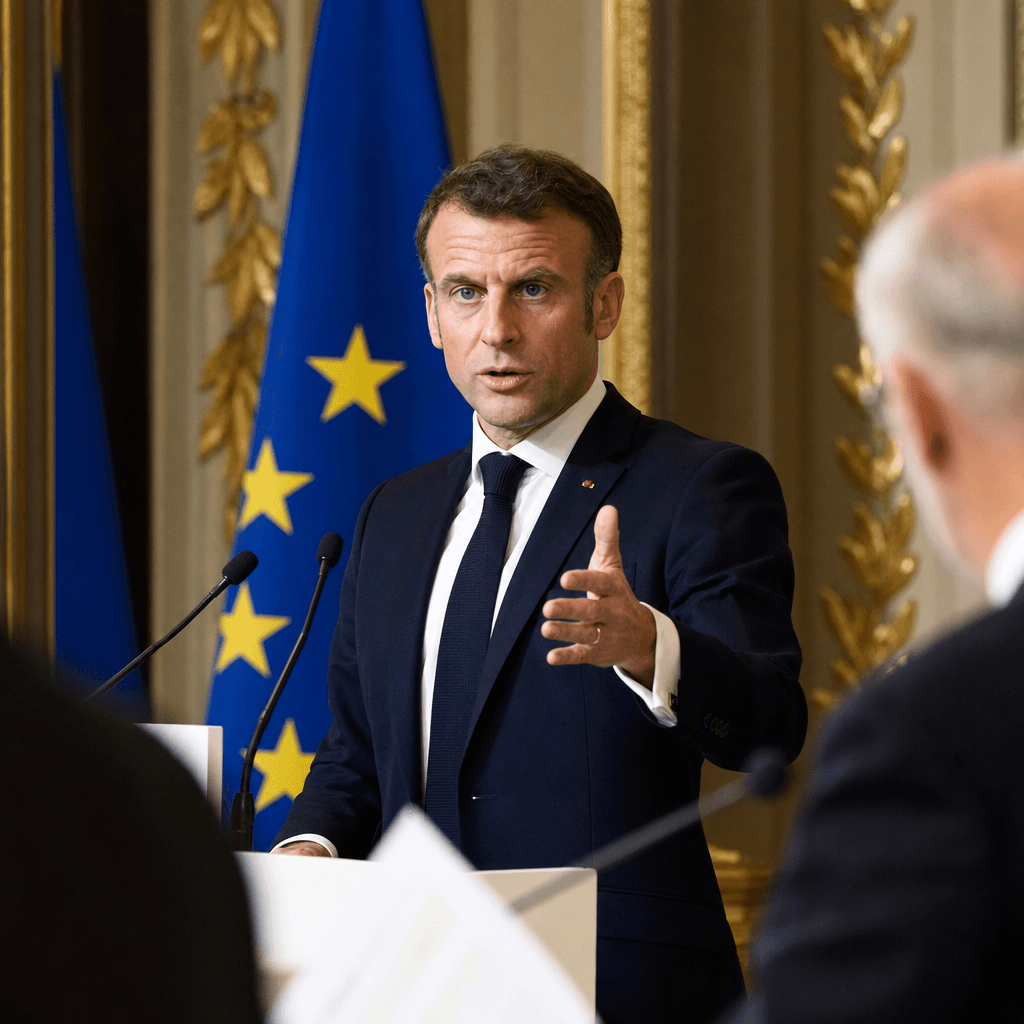
Macron Slams US Tariff Threats as EU Trade Tensions Escalate
French President Emmanuel Macron says the US and EU are wasting time on tariff threats instead of tackling real security and economic challenges together.
French President Emmanuel Macron has sharply rebuked U.S. President Donald Trump’s new tariff threats, accusing Washington of diverting transatlantic energy from strategic priorities toward “unacceptable” trade coercion AP News. In a pointed Davos World Economic Forum intervention, Macron framed the U.S. tariffs on European goods as unnecessary and destabilizing, warning that transatlantic trade noise is distracting from shared security threats in Europe and beyond
YouTube, Davos clip.
Trump’s latest proposals, including additional tariffs on European cars and trucks, build on his earlier 10% tariff threats against EU nations, which he has framed as leverage over trade imbalances and Greenland-related demands under his “America First” agenda YouTube, Macron Clip. Macron’s response stresses sovereignty and the UN Charter, signaling that France will not accept what it sees as unilateral economic coercion disguised as negotiation
YouTube, Macron Clip.
The broader EU response is also hardening. Following Trump’s tariff signal, EU leaders have suggested they may put on hold or materially adjust a prospective U.S.–EU trade deal, signaling that the bloc will defend its own regulatory and industrial interests YouTube, Macron Clip. The European Parliament’s largest political group has publicly stated that a deal with Washington is no longer realistic so long as Trump continues to threaten punitive tariffs, effectively shifting the EU’s default stance from cooperation to contention
YouTube, Macron Clip.
This dispute is not just about tariffs on cars and trucks. It reflects a deeper struggle over where the West allocates its political bandwidth: on re‑engineered trade rules or on deterrence against Russia, instability in the Middle East, and non‑state security threats YouTube, Macron Clip. For Macron, the EU must resist letting protectionist demands from Washington dictate its posture in a multipolar world, especially as Brussels pursues its own industrial and climate policies
AP News.
The stakes are high for both sides. U.S. exporters risk losing market share in Europe if tit‑for‑tat tariffs escalate, while EU automotive and industrial firms face margin compression and supply‑chain disruption if American tariffs bite AP News. At the same time, security cooperation in NATO and defense spending debates could be strained by perceptions of economic unfairness or coercion
YouTube, Davos clip.
What to watch next
Policymakers should monitor three clear inflection points: the EU’s formal decision on whether to suspend the U.S. trade deal, the European Commission’s response plan to proposed American tariff hikes, and Macron’s next direct confrontation with Trump, likely at an upcoming NATO or G7 summit. The heart of the crisis is not the tariff line items themselves, but who gets to set the agenda for the transatlantic relationship in a decade of mounting global competition AP News.
Discover more

Global Politics
US Seizes Iranian Ship, Tensions Surge
The US seizure of the Iranian ship Touska highlights a shift in control over the Strait of Hormuz, favoring Iran's strategic position.
India
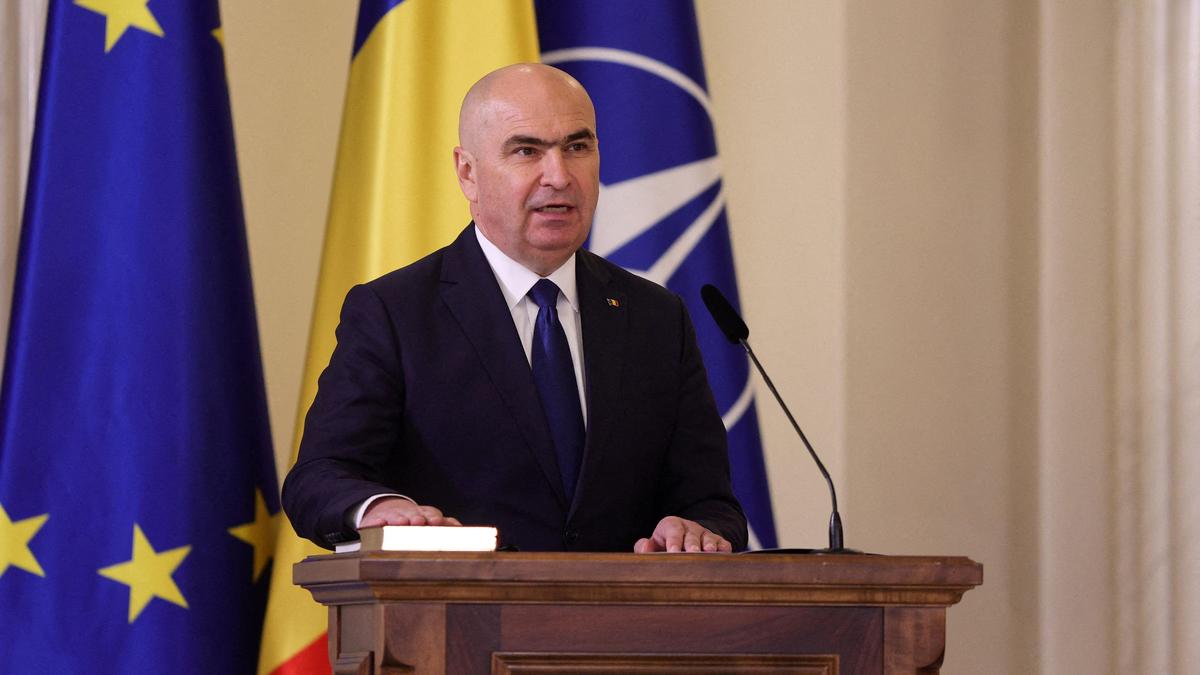
Romanian Coalition Party Demands PM Resign
Romania's Social Democrats withdrew from coalition, joining far-right AUR to topple PM Bolojan, risking €10 billion in EU funds by August 2026.

Conflict & Security
Drone Warfare Killing Aid Workers at Unprec
Over 1,000 humanitarian workers killed in three years as cheap armed drones collapse legal protections. Gaza, Sudan, Ukraine, and DRC see deliberate targeting of aid convoys and hospitals with zero prosecutions.

Global
World Normalises Taliban as Afghan Women Eras
UN data shows Afghan women erased from public life as Russia recognises the Taliban, EU hosts officials in Brussels, and ICC warrants for gender persecution go unenforced.