Luhansk Strike
Russia uses Luhansk strike to justify military retaliation.
Model Diplomat3 min readEurope
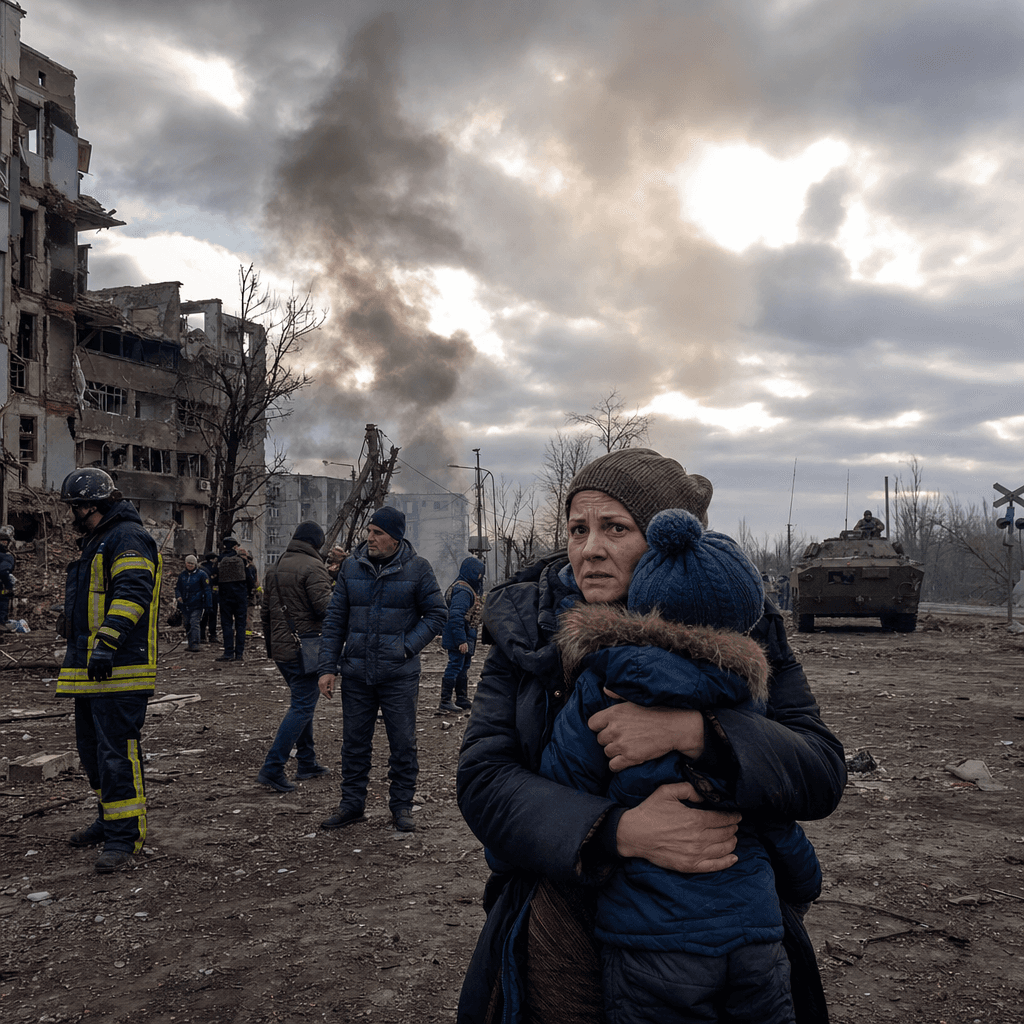
Luhansk Strike Gives Putin a Fresh Pretext to Escalate
Russia is using a deadly strike in occupied Luhansk to press a retaliation narrative, while Ukraine insists it hit a military target and not civilians.
Russia says a drone strike on a student dormitory in Starobilsk, in occupied Luhansk, killed at least 18 people and wounded 42, and Vladimir Putin has ordered his defence ministry to prepare retaliation; Ukraine says it hit a Russian military unit, not a civilian building (BBC;
NBC News;
France 24). The power dynamic is straightforward: Moscow is exploiting the strike to widen its room for escalation, and Kyiv is trying to keep the episode inside the logic of military targets and lawful self-defense (
BBC;
Kyiv Post).
Moscow is turning casualty politics into leverage
The Kremlin’s immediate move was not just military; it was political. Russia called an emergency session of the UN Security Council, with its ambassador Vasily Nebenzya accusing Ukraine of a war crime, while Putin branded the attack a “terrorist strike” and said there were no military facilities nearby (BBC;
NBC News). That matters because Russia is trying to do two things at once: justify a retaliatory response and frame the war as one in which Ukraine, not Russia, is the side targeting civilians.
The casualty count itself is part of the contest. BBC reported 21 killed and 42 wounded based on Russian official figures, NBC News cited a later toll of 16 dead, and France 24 said the death toll had risen to 18 as rescue teams continued working through the rubble (BBC;
NBC News;
France 24). In war, the first side to set the narrative often gets the diplomatic advantage, especially when the site is inaccessible to independent verification.
Ukraine’s deeper-strike campaign is forcing a response
Kyiv’s claim is that it struck a Russian drone command unit in Starobilsk, not the dormitory itself (BBC;
Kyiv Post). That fits a broader Ukrainian pattern: using drones to hit command nodes, logistics, and energy assets in occupied territory and inside Russia proper, while insisting it is striking military infrastructure. The problem for Kyiv is that those strikes now regularly land in places Moscow can present as civilian sites, especially in occupied areas where Russian authorities control the evidence trail.
Starobilsk is not a rear-area target in the ordinary sense. France 24 said it lies about 65 kilometers from the front line, and that in occupied Luhansk a college functions as a vocational school for students aged roughly 15 to 22 (France 24). That proximity to the front helps explain how Ukraine can plausibly claim a military aim while Russia can still depict the result as indiscriminate harm. For readers following the wider war, this is the same dynamic tracked in
Conflict: deeper Ukrainian drone reach is expanding tactical pressure, but also enlarging the propaganda battlefield.
What to watch next
The next decision point is Russia’s reply. Putin has already ordered the defence ministry to produce retaliation options, and Russian hardliners are urging strikes beyond Ukraine itself, including pressure on Europe, according to the BBC’s reporting of pro-Kremlin commentary (BBC). That is the risk: a single strike in occupied territory can become the justification for a broader wave of Russian attacks, just as Kyiv’s drone campaign is designed to force Moscow to pay a cost for holding occupied land.
Watch two things in the next 24–72 hours: whether Russia follows the usual pattern of missile and drone strikes against Ukrainian cities and infrastructure, and whether any independent evidence emerges that clarifies the target in Starobilsk. If Moscow cannot substantiate the civilian-target claim, it still may retaliate anyway; the accusation itself is already serving its purpose.
Discover more

Global Politics
US Seizes Iranian Ship, Tensions Surge
The US seizure of the Iranian ship Touska highlights a shift in control over the Strait of Hormuz, favoring Iran's strategic position.

Conflict & Security
Drone Warfare Killing Aid Workers at Unprec
Over 1,000 humanitarian workers killed in three years as cheap armed drones collapse legal protections. Gaza, Sudan, Ukraine, and DRC see deliberate targeting of aid convoys and hospitals with zero prosecutions.
Global
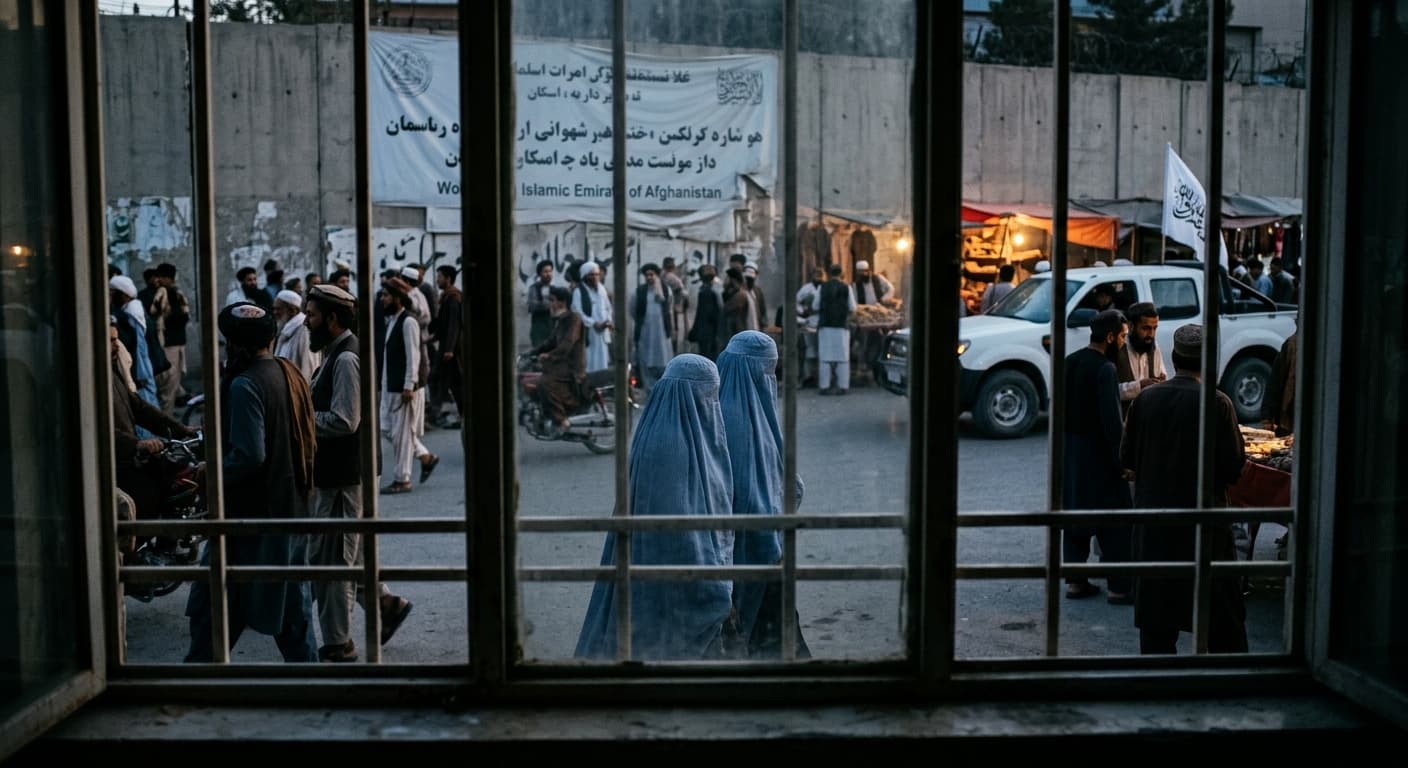
World Normalises Taliban as Afghan Women Eras
UN data shows Afghan women erased from public life as Russia recognises the Taliban, EU hosts officials in Brussels, and ICC warrants for gender persecution go unenforced.
Conflict & Security
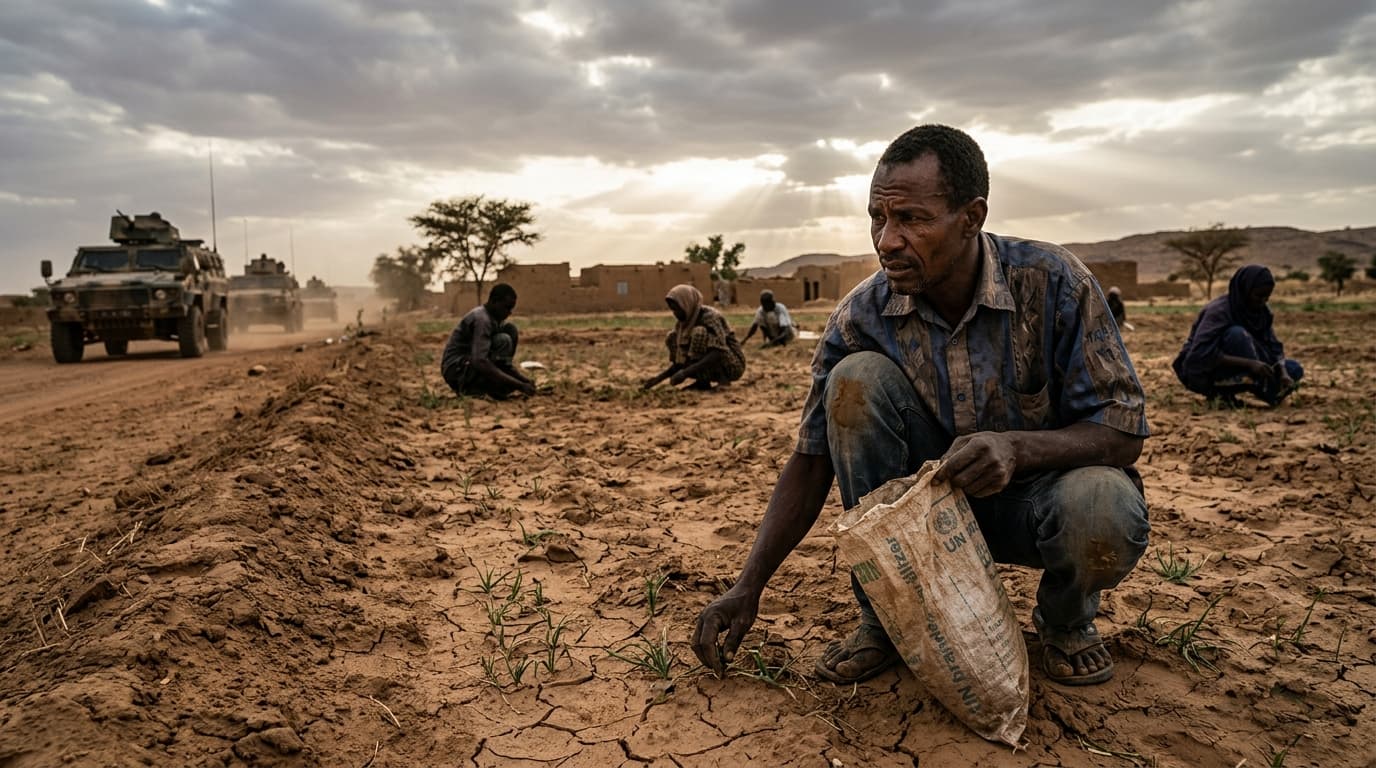
West Africa Food Crisis: Three Shocks in 2026
Conflict, climate extremes, and the Strait of Hormuz closure drive a severe food crisis in West and Central Africa, with fertilizer prices surging 80% and millions displaced.