Lucknow Meeting Strengthens INDIA Bloc's Leve
Regional parties strategize for electoral strength in Uttar Pradesh.
Model Diplomat2 min readSouth Asia

Lucknow Meet Gives INDIA's Regional Parties Leverage
By waiting for assembly results, INDIA's state-heavy parties are trying to bargain from demonstrated strength, not Congress-led rhetoric.
Hindustan Times reports that regional constituents of the INDIA bloc are planning a Lucknow meeting after the assembly poll results, a move that points to a tighter regional coordination effort before the next electoral cycle. INDIA bloc regional constituents plan Lucknow meet after assembly poll results The power play is straightforward: state parties want to negotiate after the numbers are in, not before. That gives whichever regional players emerge stronger from the current round of elections fresh leverage over seat-sharing, messaging, and leadership inside the opposition camp.
Why Lucknow matters
The alliance has already shown it can coordinate when the stakes are high. In April, the INDIA bloc united to oppose the government’s Delimitation Bill, while saying it was not opposing women’s reservation itself. INDIA Bloc unites to oppose the Delimitation Bill But parliamentary unity is easier than electoral unity. A Lucknow meeting would test whether INDIA can move from joint resistance in Delhi to a state-by-state pre-poll machine.
That matters most in Uttar Pradesh. The opposition there is already campaigning around social justice and secularism: the Samajwadi Party has been pushing its PDA formula—Backwards, Dalits and Minorities—while Congress has been holding Sadhbhavna Baithak and Samvidhan Samvad outreach events across the state. U.P. Opposition pushes social justice, secularism pitch through rallies, conferences A Lucknow venue therefore shifts the center of gravity from Delhi to the state where opposition arithmetic matters most. For the wider backdrop, see Diplomat Briefing’s
India coverage.
Who gains, who loses
The immediate beneficiaries are the regional parties that still control durable vote banks and local organizations. They can use post-result momentum to demand a larger say inside INDIA. Congress still benefits from a united anti-BJP framework, but this format also limits its ability to dictate terms from the top.
The real battlefield is eastern U.P. Frontline recently described Purvanchal as the key battleground for the 2027 Uttar Pradesh election, with more than 160 seats carrying outsized weight. Purvanchal Emerges as Key Battleground for UP Election 2027 That is why Lucknow matters: it is not just a meeting venue, but the place where opposition parties can decide whether they are building a coalition around local strength or around national symbolism.
What to watch next
The next trigger is the post-counting window. In Tamil Nadu, counting was scheduled for May 4, underscoring why opposition parties are waiting for results before fixing bargaining positions. Assembly Elections 2026 highlights: ECI orders suspension of Hingalganj OC over 'bias' in West Bengal
Watch three things: who convenes the Lucknow meeting, whether Congress arrives as coordinator or just another participant, and whether the bloc produces seat-sharing principles rather than slogans. That will show whether INDIA is becoming a real electoral vehicle in north India—or remaining an issue-based alliance that rallies in Delhi and fragments in the states.
Discover more
India
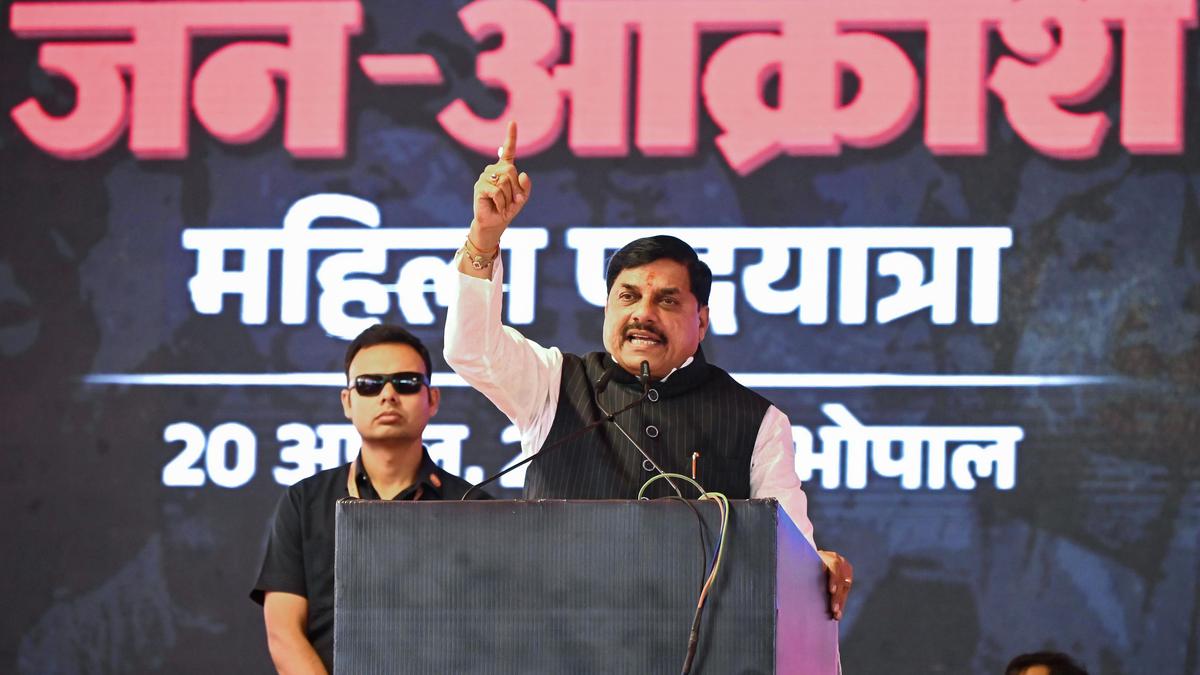
BJP Congress Clash Over MP Bill Defeat
The BJP's defeat of the women's quota amendment sparks a political narrative war with Congress, impacting future elections.
India
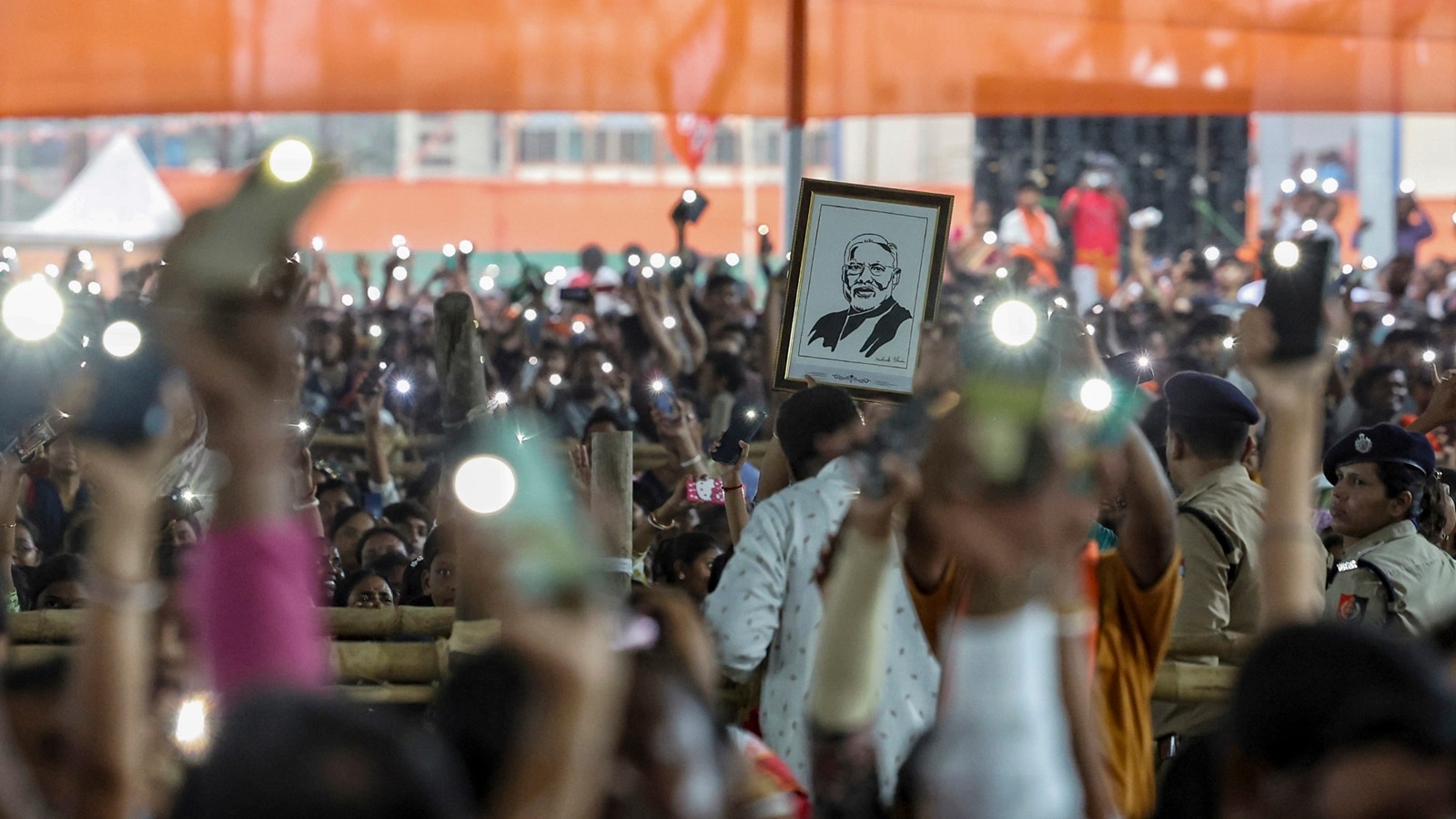
Modi's Women’s Convention in Varanasi
Modi's Varanasi rally frames women's reservation as a national mission, targeting the 2027 Uttar Pradesh elections with a strategic narrative.

Conflict & Security
Drone Warfare Killing Aid Workers at Unprec
Over 1,000 humanitarian workers killed in three years as cheap armed drones collapse legal protections. Gaza, Sudan, Ukraine, and DRC see deliberate targeting of aid convoys and hospitals with zero prosecutions.

Global
World Normalises Taliban as Afghan Women Eras
UN data shows Afghan women erased from public life as Russia recognises the Taliban, EU hosts officials in Brussels, and ICC warrants for gender persecution go unenforced.