Lubaina Himid's Venice Biennale Diversity Win
A landmark victory for Black and female artists in Venice.
Model Diplomat2 min readEurope
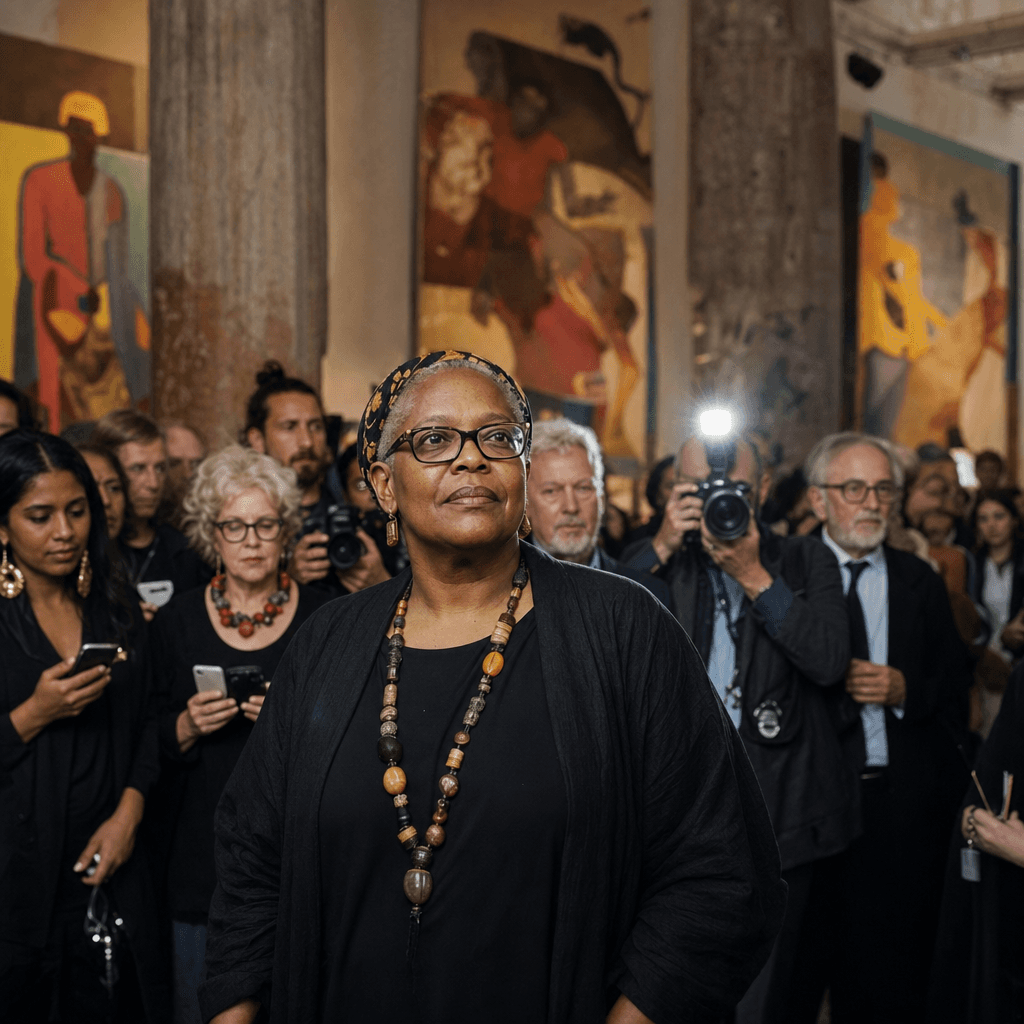
Lubaina Himid Wins 40-Year Venice Biennale Battle
Artist Lubaina Himid's Venice Biennale success marks a 40-year victory for Black and female artist representation, reshaping institutional recognition.
Artist Lubaina Himid has achieved a significant milestone at the 2026 Venice Biennale, culminating a 40-year campaign for greater inclusion within the international art establishment. As detailed by The Guardian on May 5, 2026, Himid’s recognition signifies a hard-won confrontation with gatekeepers who have historically dictated access and visibility on global cultural platforms. ‘We put our heads above the parapet’: Lubaina Himid on winning her 40-year battle to storm the Venice Biennale
Artists and Institutions: The Power Shift
Himid’s journey highlights the entrenched power dynamics within major cultural institutions. For decades, the Venice Biennale, a premier showcase for contemporary art, has been largely shaped by Western, male perspectives, controlling the narrative and defining artistic value. Himid, by persistently advocating for artists of color and women, directly challenged this hegemony. Her success demonstrates that artists, through sustained effort and outspokenness, can shift institutional priorities, forcing a re-evaluation of who merits a global platform. This victory benefits not only Himid but also a broader cohort of underrepresented artists whose work now has a clearer pathway to international visibility. Conversely, those who benefited from the previous exclusionary model face diminished influence.
A Turning Point for Global Art?
The Venice Biennale operates as a critical node in the global art market and discourse, shaping international trends and elevating artists to monumental status. Himid’s achievement is more than an individual triumph; it represents a broader, albeit slow, recalibration of cultural representation on the world stage. This moment underscores a growing demand for diverse voices in Global Politics and cultural diplomacy, signaling that historical biases are being dismantled. The Biennale’s embracing of Himid suggests a recognition that artistic relevance is increasingly tied to inclusive representation, reflecting evolving global conversations about heritage, identity, and power.
What to Watch Next
The implications for future iterations of the Venice Biennale and similar international cultural events are substantial. Attention will now focus on whether this success translates into sustained systemic change. The key question is whether institutions will proactively diversify their curatorial boards and selection processes, or if this remains an isolated corrective measure. We should watch for institutional responses in the lead-up to the next Biennale cycle, particularly concerning the representation of artists from Africa, Asia, and the Global South. The next critical juncture will be the announcement of curators and participating artists for the 2028 Venice Biennale, which will signal the lasting impact of this shift.
Discover more
India
Modi's Women’s Convention in Varanasi
PM Modi's upcoming women’s convention in Varanasi aims to boost support ahead of West Bengal elections, highlighting women's empowerment initiatives.

US Politics
House Ethics Committee Pushes Sexual Miscond.
The House Ethics Committee's public request for misconduct reports marks a shift towards transparency and accountability in Congress.

Conflict & Security
Kyauktaw Airstrike: Junta Tactics in Rakhine
Myanmar military airstrike in Kyauktaw kills at least seven civilians, reflecting a desperate strategy against ethnic opposition.
India
Wang Yi's Delhi Trip Signals China's Play
Wang Yi's visit to India highlights China's strategic positioning in BRICS.