Lok Sabha 2024
BJP's seat loss reshapes coalition dynamics in India.
Model Diplomat2 min readAsia

Lok Sabha 2024: Modi Keeps Office, Allies Gain Power
BJP’s 240-seat result kept Narendra Modi in office but ended one-party dominance, handing leverage to TDP and JD(U).
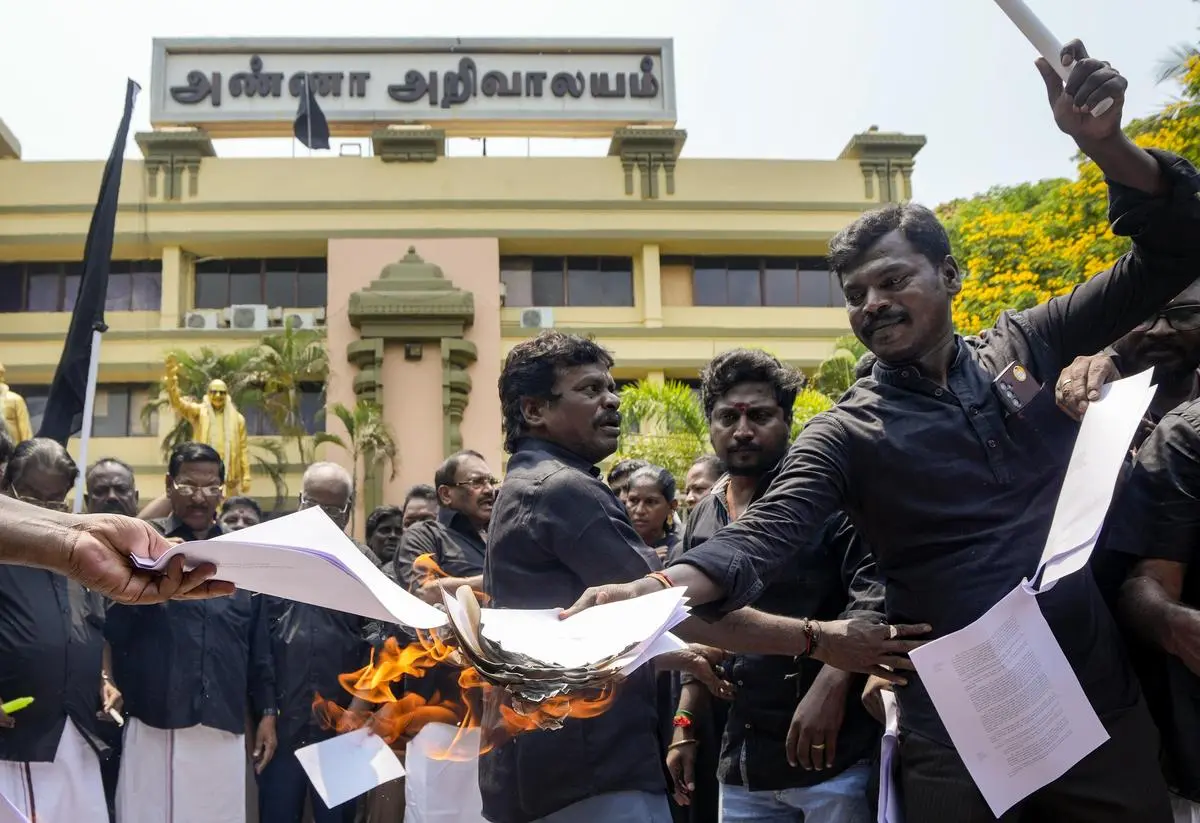
Narendra Modi kept power, but BJP lost control of the terms. As the 2024 Lok Sabha count unfolded, the central fact was not whether the NDA would remain the largest bloc, but that the BJP itself stopped at 240 seats, short of governing alone; Congress climbed to 99. That shifted leverage away from the BJP high command and toward coalition managers inside the NDA, especially Telugu Desam Party and Janata Dal (United). Mint Lok Sabha Election Result 2024 Live
Rahul claims 2024 polls rigged; ECI labels it ‘baseless accusation’
The result changed who matters in Delhi
The cleanest reading of this verdict is structural: Modi won the office, but allies won bargaining power. For a decade, the BJP’s value proposition was that it could convert Modi’s popularity into self-sufficient parliamentary control. The 2024 result broke that formula. The beneficiaries were not only the opposition benches, but the regional parties inside the ruling camp that could now trade support for cabinet weight, fiscal attention, and policy restraint.
That is why this was more than a narrower mandate. It was a redistribution of power inside the government. For anyone tracking India or broader
Global Politics, the headline change was coalition dependence, not electoral drama.
TDP and JD(U) became the new veto players
The evidence showed up quickly after the election. In 2025, on three constitutional amendment bills moved by the Modi government, TDP and JD(U) supported the legislation but publicly warned about “grey areas” and pushed for scrutiny, signaling that they would not function as automatic numbers for the BJP. Bills to oust arrested PM, CMs: TDP, JD(U) support bills but express concerns over some ‘grey areas’
That is the real consequence of the 2024 result. BJP still dominated the coalition, but it no longer monopolized risk. N. Chandrababu Naidu and Nitish Kumar gained something more useful than ministries: the ability to slow, shape, or price central decisions. The losers were the BJP’s centralizers, who now had to govern by accommodation. The opposition gained visibility, but not power; Congress at 99 could disrupt the narrative of invincibility, not replace the government. Rahul claims 2024 polls rigged; ECI labels it ‘baseless accusation’
What to watch next
Watch alliance management, not headline ideology. The next real test is any bill or budget item that imposes costs on key regional allies. If TDP and JD(U) keep signaling support with conditions, the lesson of 2024 holds: Modi’s third term is durable, but only if his allies keep being paid in influence.
Discover more
India
Women’s Reservation Bill 2026
The Constitution (131st Amendment) Bill, 2026 was defeated in Lok Sabha, revealing deeper political conflicts over women's reservation and delimitation.

Conflict & Security
Drone Warfare Killing Aid Workers at Unprec
Over 1,000 humanitarian workers killed in three years as cheap armed drones collapse legal protections. Gaza, Sudan, Ukraine, and DRC see deliberate targeting of aid convoys and hospitals with zero prosecutions.

Global
World Normalises Taliban as Afghan Women Eras
UN data shows Afghan women erased from public life as Russia recognises the Taliban, EU hosts officials in Brussels, and ICC warrants for gender persecution go unenforced.
Conflict & Security
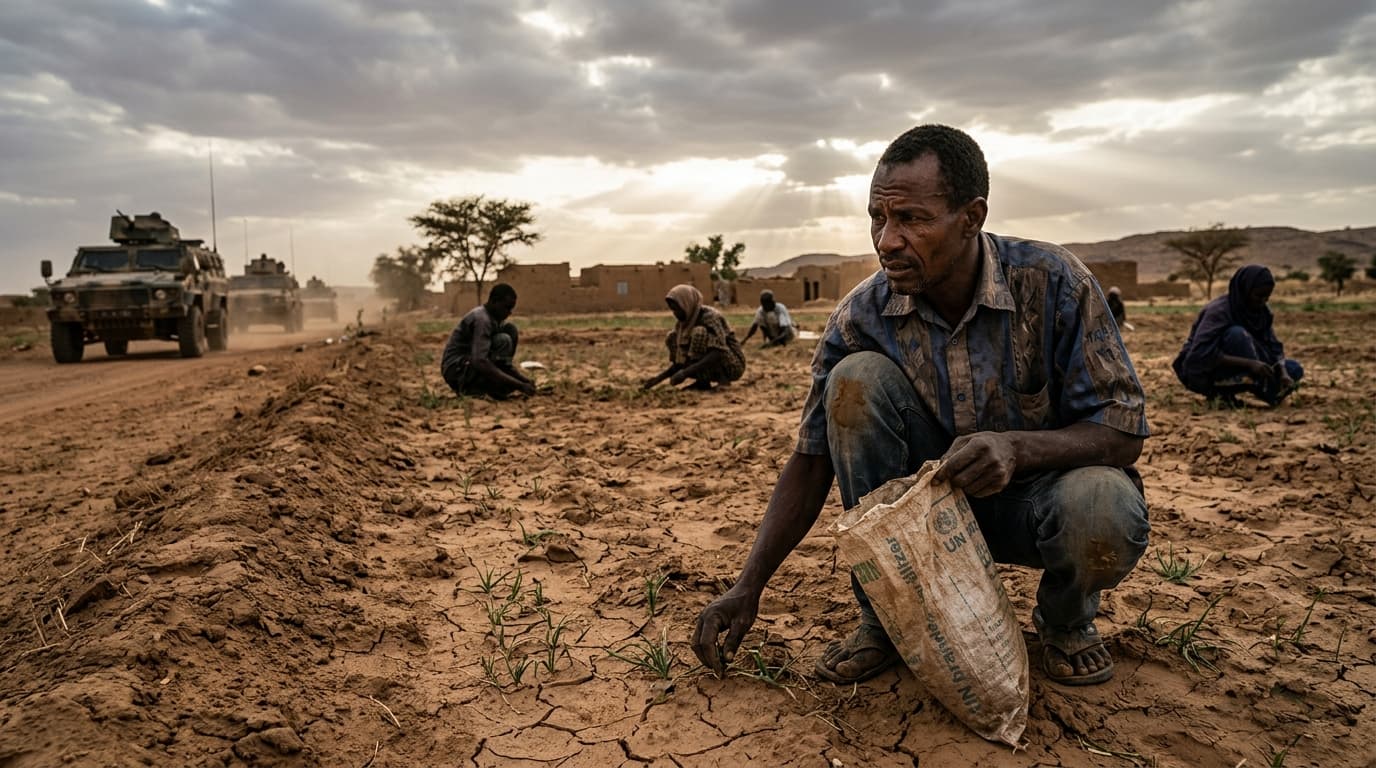
West Africa Food Crisis: Three Shocks in 2026
Conflict, climate extremes, and the Strait of Hormuz closure drive a severe food crisis in West and Central Africa, with fertilizer prices surging 80% and millions displaced.