King Charles Turns Shakespeare Night Into Soft Power
The surprise RSC visit was a royal endorsement of live theatre, but also a reminder that the Crown still uses culture to project relevance at home and abroad.
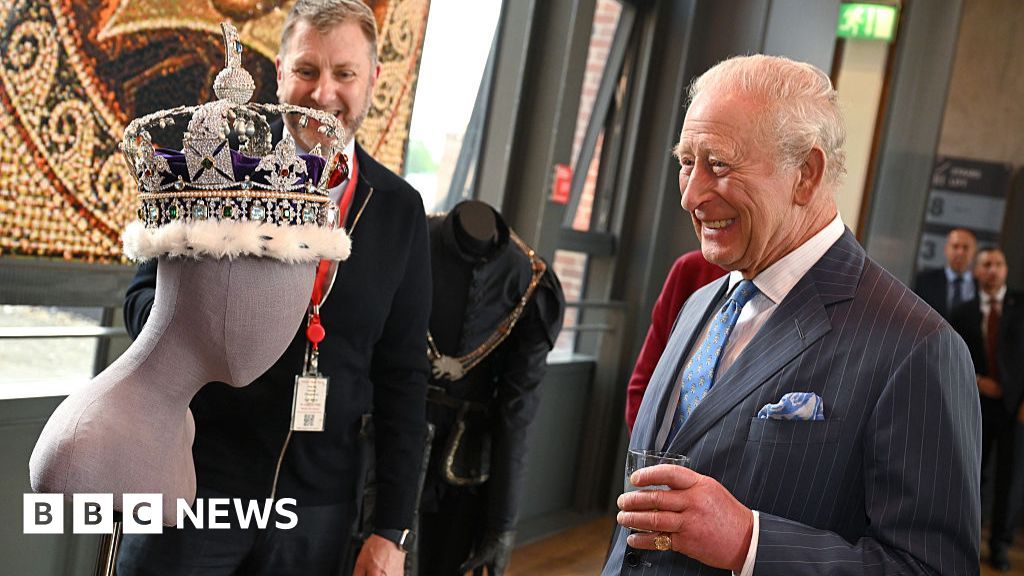
King Charles III’s appearance at a sold-out Royal Shakespeare Company performance of The Tempest in Stratford-upon-Avon was not just a celebrity sighting: it was a public exercise in royal patronage. The BBC reported that the King arrived to cheers, sat among the audience, toured the costume department backstage, and later greeted the cast; the RSC’s co-artistic directors called the visit “a tremendous honour” ( BBC). The Independent added a key detail: Charles has been the RSC’s patron since 2024, inheriting a role Queen Elizabeth II held from the company’s founding in 1961 (
 The Independent).
Why this matters
The optics matter because the monarchy’s leverage is reputational, not executive. Charles cannot dictate cultural policy, but he can still confer status, attention, and legitimacy on institutions that rely on public funding, ticket sales, and prestige. By showing up in a regular seat rather than a ceremonial box, he presented the Crown as part of the audience, not above it — a useful image for an institution that increasingly depends on appearing accessible as well as traditional.
That makes the Royal Shakespeare Company the immediate winner. The production itself is a high-value piece of cultural signalling: Sir Kenneth Branagh is returning to Stratford-upon-Avon for the first time in more than 30 years, while Sir Richard Eyre is making his RSC debut, according to both the BBC and The Independent (BBC; The Independent). The King’s presence amplifies that billing. For a theatre sector still competing for attention in a fragmented media market, royal attendance is free marketing and a signal to donors that the institution remains central to Britain’s cultural brand.
Who benefits — and who doesn’t
The immediate beneficiaries are the RSC, Branagh, and the wider argument for live performance as a national asset. The visit also reinforces Charles’s own positioning: he is a monarch trying to look engaged, informed, and culturally literate, not remote. The BBC noted that he joked with the costume team, admired a replica crown, and laughed during the performance (BBC). That is soft power in miniature: low-cost, high-visibility, and difficult for critics to attack without sounding anti-culture.
The losers are less obvious, but the event also exposes how dependent British institutions still are on elite validation. A sold-out Shakespeare production is news in part because it was royal news. That tells you something about the attention economy around culture: even strong institutions still benefit when the Crown enters the frame. For a broader look at how symbolism shapes statecraft, see  Global Politics.
What to watch next
The next test is whether this stays a one-off or becomes a pattern. Charles’s patronage of the RSC since 2024 suggests continuity, but the real question is whether the monarchy uses these appearances to anchor a broader cultural agenda — supporting regional institutions, not just London-facing prestige. The date to watch is June 20, when The Tempest ends its run (The Independent).
If the royal household keeps leaning into culture in this way, it is making a simple bet: the Crown’s best remaining power is not political pressure, but the ability to turn attention into authority.