Kharge Calls Modi 'Terrorist', BJP Complains
Political tensions rise as BJP challenges Congress chief's comments.
Model Diplomat3 min readIndia
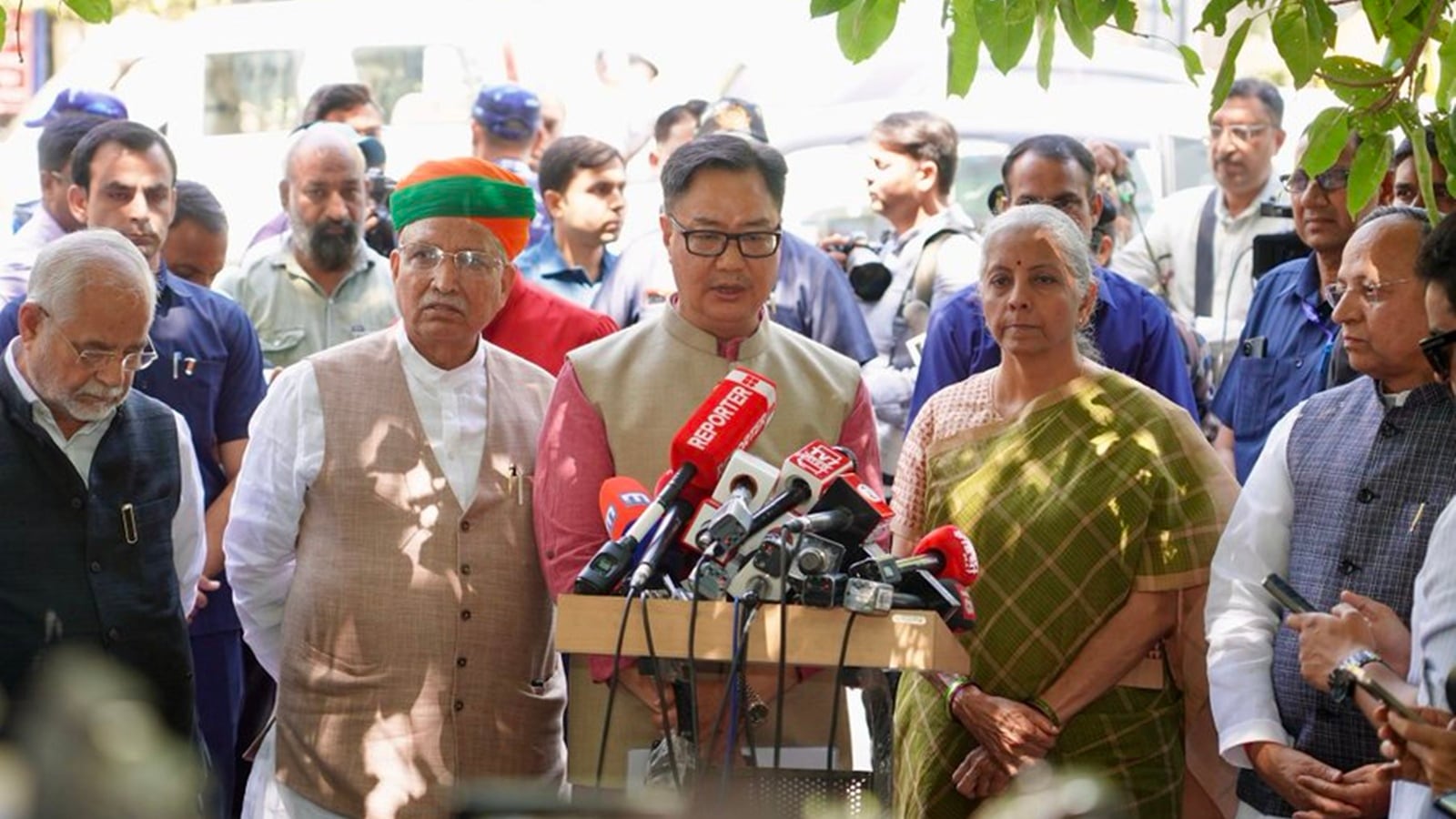
Kharge’s ‘Terrorist’ Remark on Modi Sparks BJP Complaint to Election Commission
BJP files complaint with Election Commission over Congress chief Mallikarjun Kharge calling PM Modi a ‘terrorist,’ raising stakes ahead of upcoming elections.
Congress president Mallikarjun Kharge’s recent public description of Prime Minister Narendra Modi as a “terrorist” has triggered a significant political backlash. The Bharatiya Janata Party (BJP) has formally approached the Election Commission of India (ECI), condemning Kharge’s comment as “disgraceful” and urging the commission to take action against what they frame as hate speech and a violation of electoral conduct.
Why This Matters
This incident highlights the intensifying acrimony in Indian politics as the country approaches the next general elections. Kharge’s provocative label against Modi—a leader with a massive electoral base and central to BJP’s identity—risks further polarizing an already sharply divided electorate. The BJP’s move to lodge a complaint with the ECI signals an attempt not just to discipline Kharge but to frame the Congress party as irresponsible and incendiary, potentially influencing voter perceptions.
The context is critical: Indian political discourse has seen a steady rise in aggressive rhetoric from both sides. The term “terrorist,” when used against a sitting prime minister, crosses a threshold from robust criticism to highly inflammatory language. The BJP’s characterization of this as an attempt to normalize “disgraceful conduct” taps into broader concerns about political civility and election decorum—issues the ECI is mandated to oversee.
The Election Commission’s Role and Implications
The Election Commission remains a key arbiter of political behavior during election cycles, tasked with ensuring free, fair, and respectful campaigns. The BJP’s complaint compels the ECI to consider whether Kharge’s remark violates the Model Code of Conduct, which bans hate speech and personal attacks. A ruling against Kharge could result in a reprimand or restrictions on Congress’s campaign activities, intensifying pre-election tensions.
However, any punitive action by the ECI risks accusations of partiality, since such judgments invariably have political repercussions. The growing use of legal and institutional interventions as weapons in political battles will shape the character of the electoral contest. How the ECI handles this case could set a precedent for handling inflammatory speech amid the brittle atmosphere of 2026’s campaign.
What to Watch Next
-
ECI Decision Timeline: The speed and severity of the Election Commission’s response will signal its stance on maintaining campaign decorum and impact the narrative momentum heading into elections.
-
Congress’s Counter-Moves: How Mallikarjun Kharge and the Congress party respond—whether they retract, defend, or escalate—will reveal their electoral strategy and how willing they are to stake out a confrontational posture.
-
BJP’s Electoral Strategy: Beyond the complaint, BJP is likely to capitalize on the incident to consolidate its base and portray the opposition as hostile to national unity, a familiar theme with electoral resonance.
This episode illustrates the high stakes and volatile tenor of Indian election politics, where rhetorical lines are actively redrawn and institutional checks tested. The key risk is deepening polarization that undermines democratic debate norms. Watch closely how the ECI balances political pressures while upholding election rules, shaping the conditions for the 2026 vote.
For more on India’s electoral dynamics, see India Political Profile and
Global Politics.
Discover more
India
CPI MP Accuses PM Modi of MCC Violations
CPI MP P Sandosh Kumar alleges PM Modi breached the Model Code of Conduct in Tamil Nadu, raising election integrity concerns before the 2026 Assembly polls.
India
700 Activists Accuse PM Modi of MCC Breach
Over 700 activists allege PM Modi breached election code with a televised address attacking opposition parties just before state elections.
India
BJP Congress Clash Over MP Bill Defeat
The BJP's defeat of the women's quota amendment sparks a political narrative war with Congress, impacting future elections.

Conflict & Security
Drone Warfare Killing Aid Workers at Unprec
Over 1,000 humanitarian workers killed in three years as cheap armed drones collapse legal protections. Gaza, Sudan, Ukraine, and DRC see deliberate targeting of aid convoys and hospitals with zero prosecutions.