Karnataka's Key Role in NITI Aayog Recast
Karnataka professionals appointed to NITI Aayog by Modi
Model Diplomat2 min readAsia
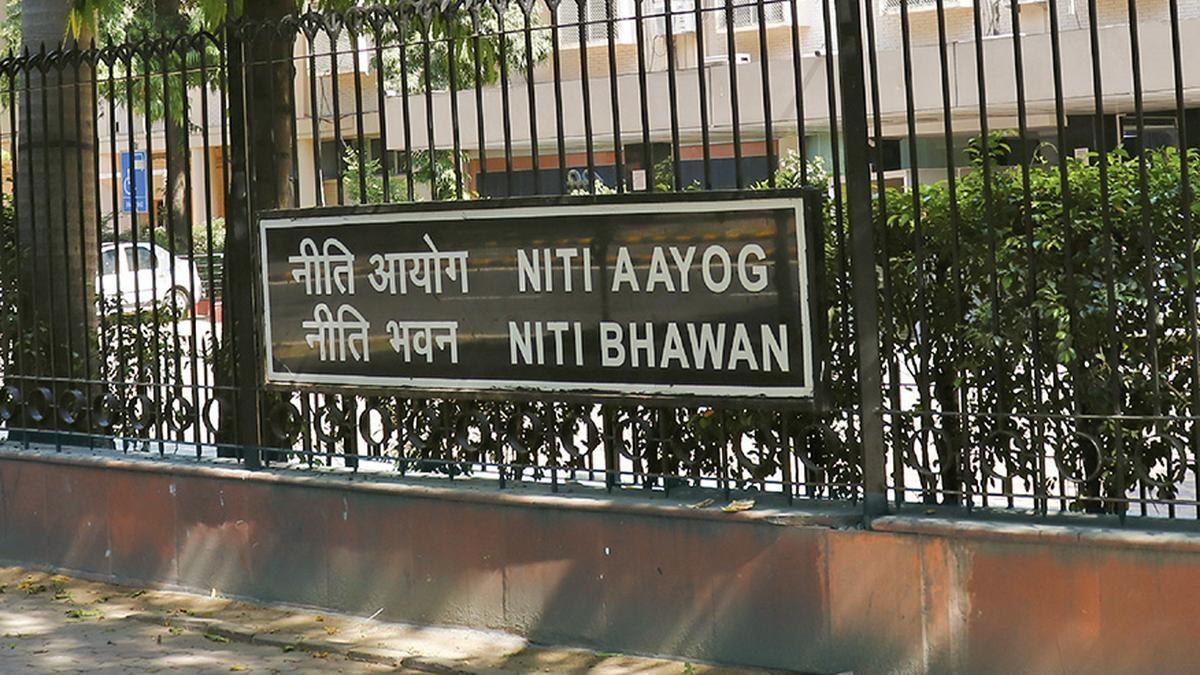
Karnataka’s Double Win in Modi’s NITI Aayog Recast
Balasubramaniam and Raju bring Karnataka heft and policy expertise to a retooled NITI Aayog as Modi tightens his advisory bench.
R. Balasubramaniam and K.V. Raju have been appointed full-time members of NITI Aayog, making this the first time two professionals from Karnataka have been named to the body at the same time, according to The Hindu. Prime Minister Narendra Modi chairs the Aayog, and the latest round also brought economist Ashok Lahiri in as vice-chairperson. The Hindu
The Hindu
Why this matters
This is not a ceremonial staffing change. NITI Aayog does not control budgets the way a ministry does; its leverage comes from agenda-setting, technical advice and access to the Prime Minister’s office, which makes appointments there a signal of where the Centre wants policy bandwidth concentrated. The institution replaced the Planning Commission in 2015 and has since been used as the government’s main coordination platform for long-term growth and federal negotiations. The Hindu
Balasubramaniam brings a development-practitioner profile. He founded the Swami Vivekananda Youth Movement and the Grassroots Research and Advocacy Movement in Mysuru, helped shape Karnataka’s youth policy in 2022, and served on the Capacity Building Commission until April 2026, according to The Hindu. Raju brings a more orthodox policy-economics résumé: he was economic adviser to Uttar Pradesh’s chief minister for nine years, earlier advised Karnataka’s BJP government, and taught at ISEC Bengaluru before stints at ICRISAT and IFPRI. The Hindu
The political reading is straightforward. Modi is not just filling seats; he is balancing the Aayog with people who can speak both the language of implementation and the language of economic strategy. That matters because the government is still selling “Viksit Bharat@2047” through NITI Aayog, while states keep pressing for more fiscal space and a bigger say in growth planning. For a broader view on the Centre’s policy architecture, see India and
Global Politics.
What to watch next
The next decision point is whether these appointments produce visible shifts in the Aayog’s work on state capacity, skilling, or social-sector delivery — areas where Balasubramaniam’s record could matter most. The federal friction point remains the same: at NITI Aayog’s Governing Council meeting in May 2025, Tamil Nadu demanded a higher tax share while Andhra Pradesh pushed new sub-groups on GDP growth, demographics and technology-led governance. Those are the fights that will tell us whether the Aayog is coordinating policy or merely packaging the Centre’s preferences. The Hindu
Discover more

India
Modi's Women’s Convention in Varanasi
PM Modi's upcoming women’s convention in Varanasi aims to boost support ahead of West Bengal elections, highlighting women's empowerment initiatives.
India
CPI MP Accuses PM Modi of MCC Violations
CPI MP P Sandosh Kumar alleges PM Modi violated MCC during Tamil Nadu visit, raising serious election integrity issues ahead of 2026 Assembly elections.
India
Rajnath Singh's Durga Squad for 2026 Polls
Rajnath Singh's 'Durga Squad' initiative targets women's safety ahead of Assembly Elections 2026, contrasting with Rahul Gandhi's southern campaign.
Global Politics
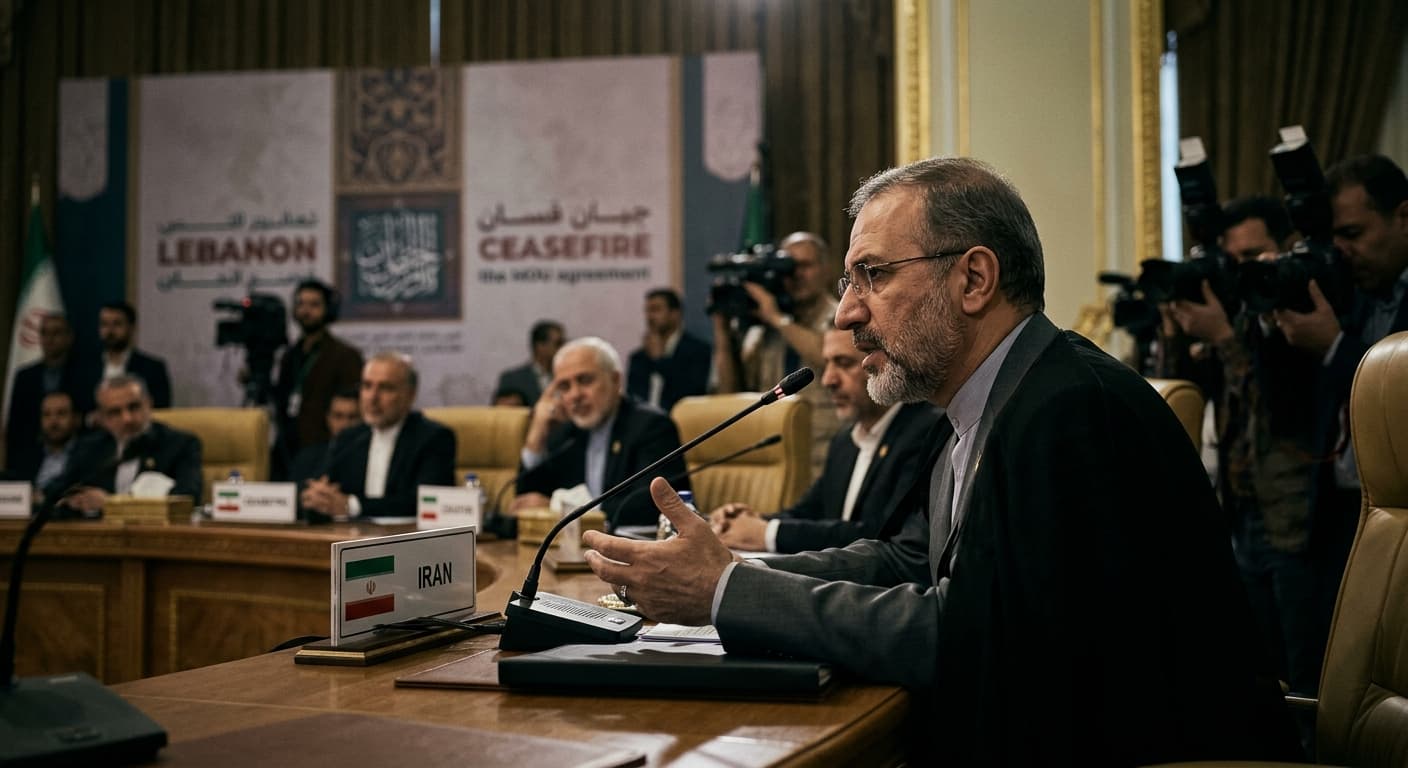
Iran Demands US Enforce Ceasefire
Iran insists the US must enforce a ceasefire in Lebanon to uphold the MoU.