Kalshi Penalizes Candidates for Insider Bets
Kalshi's crackdown on insider trading raises ethical concerns.
Model Diplomat3 min readUnited States
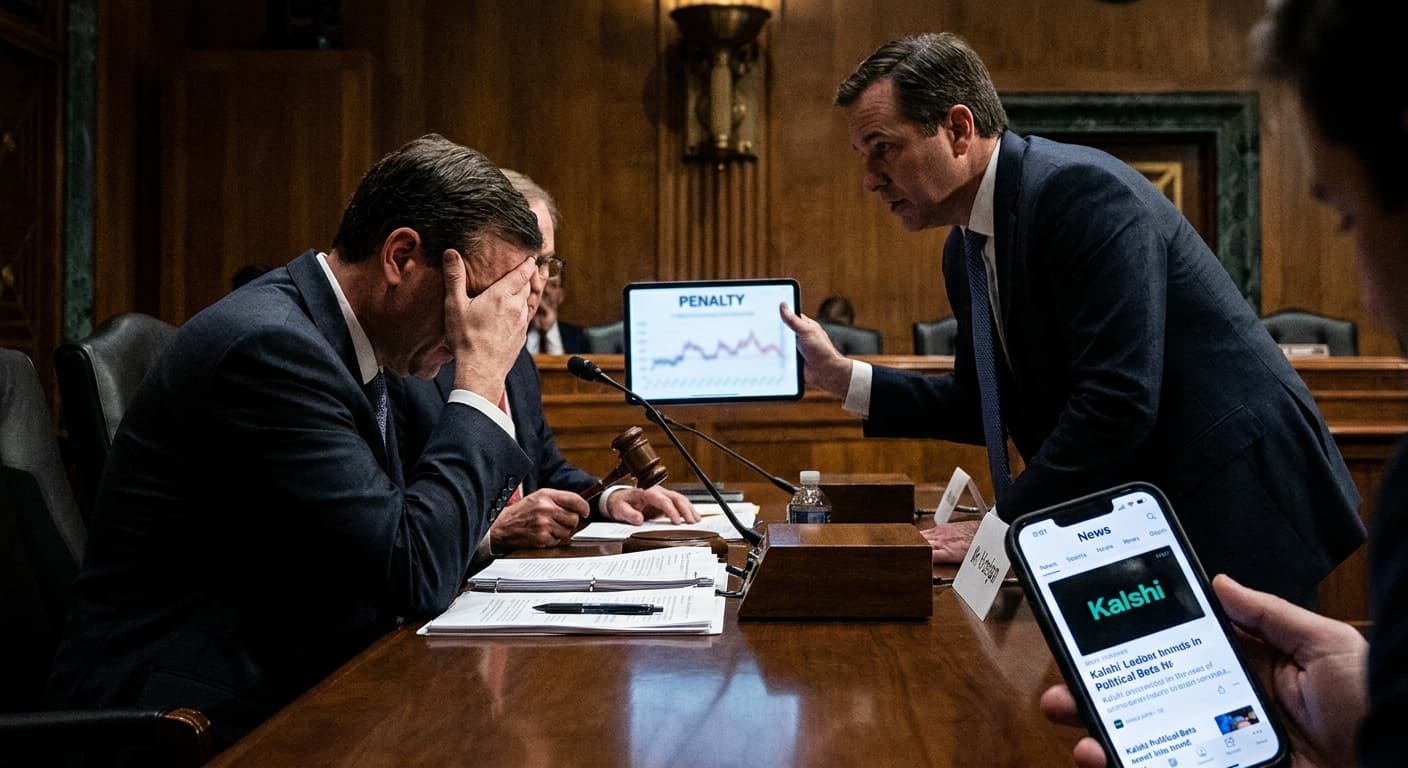
Kalshi Punishes US Political Candidates for Insider Trading on Campaign Bets
Kalshi sanctions three unnamed US political candidates for betting on their own races, spotlighting regulatory and ethical challenges in political prediction markets.
Kalshi, a US-based federally regulated prediction market platform, has penalized three unnamed American political candidates for engaging in insider trading by betting on their own campaigns, according to a statement released Wednesday. This action marks a significant instance of a prediction market operator policing illicit activity within political markets, raising questions about the intersection of politics, finance, and regulation.
Insider Trading Risks in Political Prediction Markets
Kalshi allows users to bet on a wide variety of events, including political outcomes, drawing scrutiny over the potential use of nonpublic, privileged information for personal gain. The company’s enforcement move is consistent with a growing regulatory and ethical spotlight on prediction markets.
Recent history shows that insider trading concerns are not hypothetical. Earlier this year, Kalshi suspended and fined an employee linked to unusually successful trades on trending current events. Similarly, other platforms like Polymarket have been scrutinized for suspicious bets on geopolitical events that appeared to anticipate classified or private developments.
This crackdown ties into wider concerns from federal officials. The White House, in early April 2026, issued memos warning staffers against leveraging nonpublic government information for financial profit on platforms like Kalshi and Polymarket, underscoring the seriousness of insider trading in political markets.
Why It Matters: Transparency, Fairness, and Market Integrity
Prediction markets like Kalshi serve a dual role—offering both a venue for public sentiment speculation and a source of information potentially valuable to investors, journalists, and policymakers. When political candidates use privileged information to bet on their own campaigns, it undermines market integrity and public trust. It raises alarms about the fairness of electoral processes and the potential for markets to reflect more insider interests than genuine collective judgment.
For regulators and market operators, the challenge is enforcing rules that prevent abuse without stifling the innovative potential of prediction markets to provide real-time, decentralized forecasting. The US Commodity Futures Trading Commission (CFTC) regulates Kalshi, setting some boundaries, but enforcement rests heavily on the platform’s internal surveillance and cooperation with authorities.
What to Watch Next
- Further disclosures or naming of the candidates involved could trigger political backlash or calls for legal reforms. Transparency in enforcement will be key to maintaining public confidence.
- Regulatory tightening around prediction markets may follow, especially since these platforms straddle traditional securities law and emerging digital financial innovation.
- Congressional or federal agency investigations into political betting abuses remain a possibility, especially if more insider trading cases emerge.
- The balance between innovation versus regulation in political forecasting will remain contested as 2026 midterms approach, with campaigns potentially adapting strategies around market engagements or facing new restrictions.
Kalshi’s move signals the increasing maturity and complexity of prediction markets and their entanglement with US political and regulatory systems. This episode emphasizes that insider trading risks extend beyond conventional financial markets to the evolving frontier of political event speculation.
For more on political market regulation and US politics, see United States and
Global Politics.
Sources:
Discover more
US Politics
House Ethics Committee Pushes Sexual Miscond.
The House Ethics Committee has shifted responsibility for sexual harassment settlement records to the Office of Congressional Workplace Rights, complicating disclosure efforts.

Conflict & Security
Drone Warfare Killing Aid Workers at Unprec
Over 1,000 humanitarian workers killed in three years as cheap armed drones collapse legal protections. Gaza, Sudan, Ukraine, and DRC see deliberate targeting of aid convoys and hospitals with zero prosecutions.

Global
World Normalises Taliban as Afghan Women Eras
UN data shows Afghan women erased from public life as Russia recognises the Taliban, EU hosts officials in Brussels, and ICC warrants for gender persecution go unenforced.
Conflict & Security
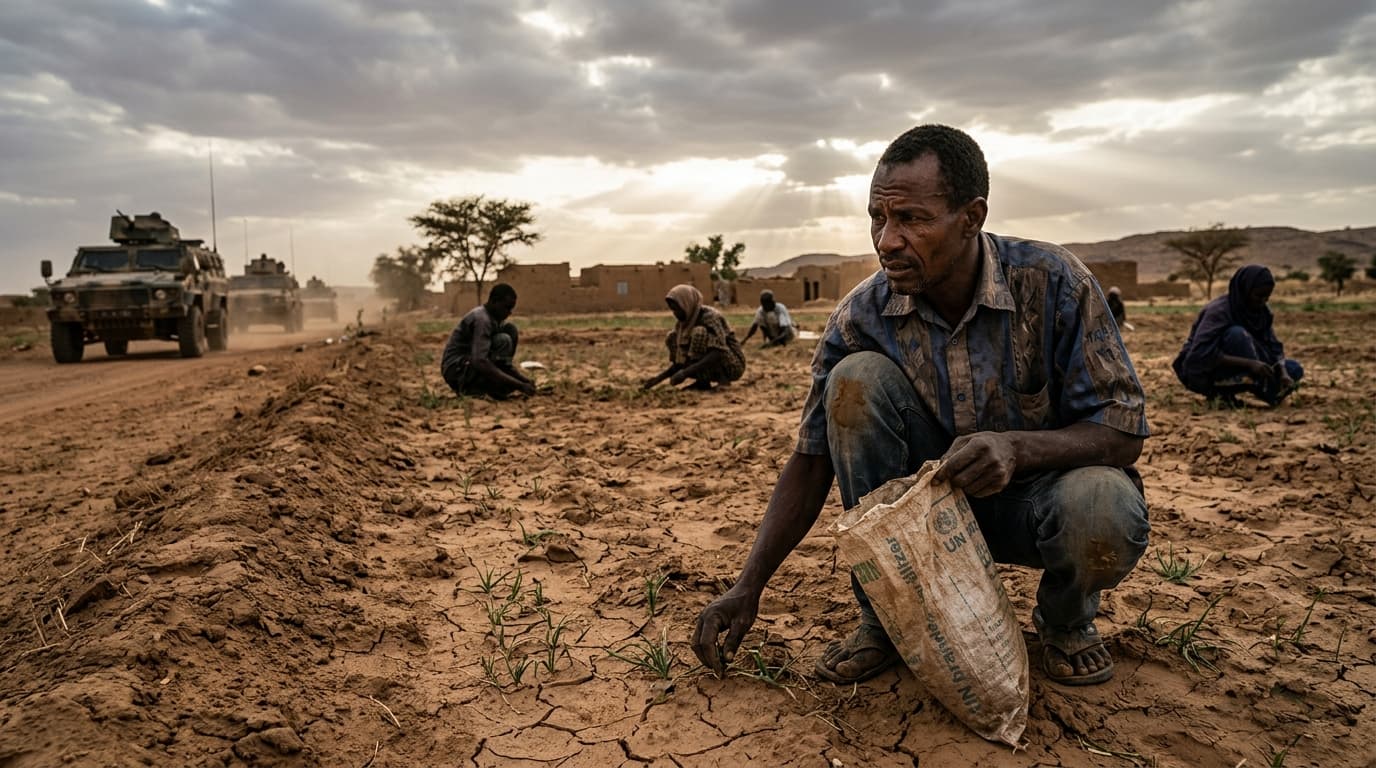
West Africa Food Crisis: Three Shocks in 2026
Conflict, climate extremes, and the Strait of Hormuz closure drive a severe food crisis in West and Central Africa, with fertilizer prices surging 80% and millions displaced.