Israel's Strikes on Lebanon
Israel's April 8 strikes reshape its strategy in Lebanon.
Model Diplomat3 min readMiddle East
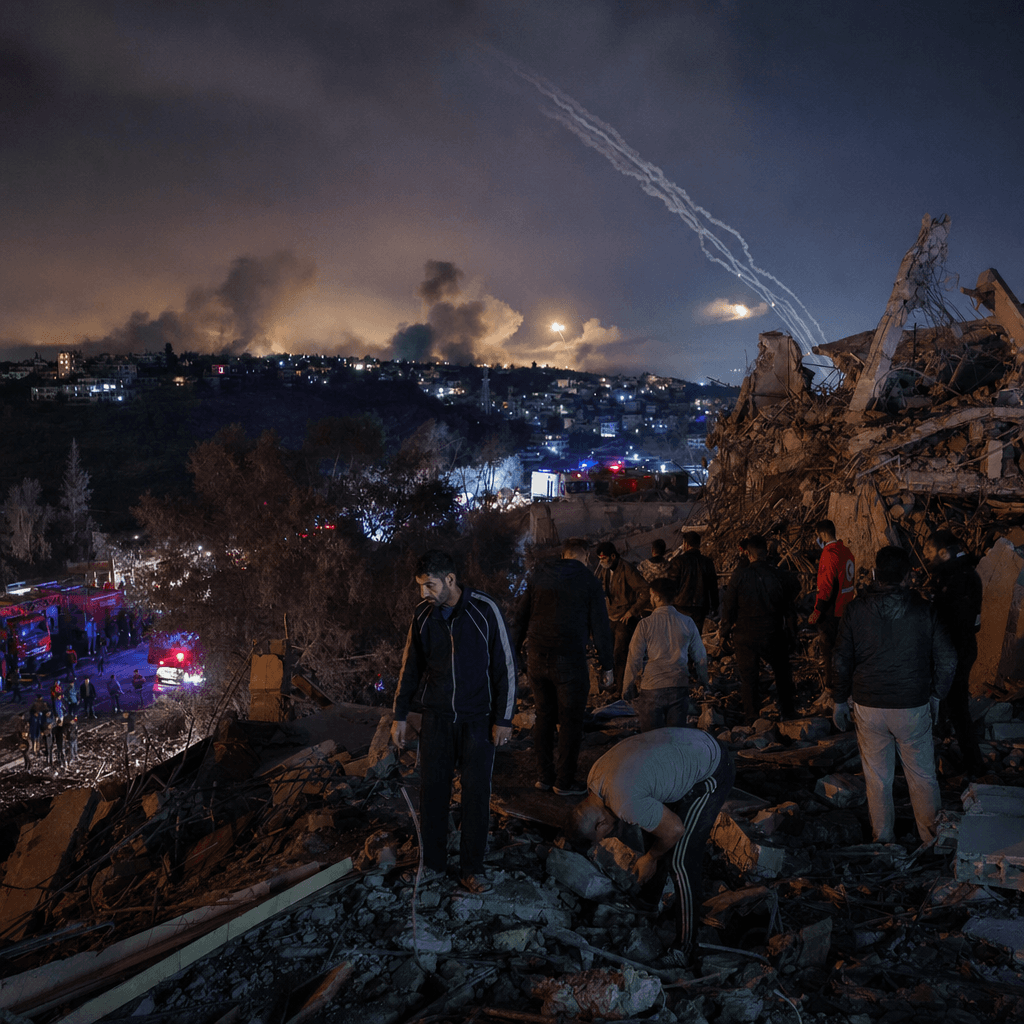
Israel’s Lebanon “Black Wednesday” Reshapes Leverage
Israel’s April 8 mass strikes signaled a harder doctrine in Lebanon: pressure Hezbollah, intimidate Beirut, and keep diplomacy on Israeli terms.
Israel is using overwhelming force to widen its bargaining power in Lebanon. Al Jazeera’s reconstruction of April 8 shows Israel launched more than 100 strikes in under 10 minutes across Lebanon; at least 357 people were killed, while Israel said 250 were Hezbollah operatives — a gap that goes directly to the core issue: whether Israel is degrading Hezbollah’s command structure or normalizing a much looser threshold for targeting in populated areas Al Jazeera. For Beirut, that distinction is not legal semantics. It determines whether the Lebanese state is being pushed toward enforcement against Hezbollah, or simply being shown that it cannot protect its own capital.
The power play is bigger than one day
This was not just a retaliatory strike package. Reuters reported on April 9 that Israel is digging in around a doctrine of long-term buffer zones and persistent pressure in Lebanon, Gaza, and Syria — what officials and analysts described as a strategy of containment rather than a finite campaign Reuters. That matters because it changes the purpose of strikes like April 8: not only to kill Hezbollah personnel, but to shape the ground rules of the next phase.
The immediate beneficiaries are Prime Minister Benjamin Netanyahu’s government and the Israeli military, which gain freedom of action and leverage over any future talks. The losers are clearer still: Lebanese civilians, the already weak Lebanese state, and Hezbollah, which is forced to absorb losses while also facing renewed scrutiny over the cost its confrontation with Israel imposes on Lebanon. Yet Hezbollah is not starting from collapse. Reuters reported in March that the group had spent months rearming, with a budget of about $50 million a month and support from Iran, because it viewed renewed war with Israel as inevitable Reuters.
Why Beirut is under pressure too
The second-order effect is political. Israel is not only trying to punish Hezbollah; it is also raising the price for Beirut of leaving Hezbollah’s military infrastructure intact. That is consistent with Israel’s position in the broader regional negotiations: Reuters reported on April 8 that Israel backed a two-week pause on strikes against Iran while making clear that Lebanon was excluded Reuters. In other words, Israel is separating fronts and preserving Lebanon as a live arena of coercion.
For readers tracking the broader regional picture, this fits a wider pattern across Global Politics and
International Affairs: Israel wants escalation dominance without committing to a full occupation, while Lebanon’s government lacks the coercive capacity to disarm Hezbollah on Israel’s timeline.
What to watch next
The next decision point is not rhetorical; it is operational. Watch whether Israel sustains high-tempo strikes in Beirut and south Lebanon, whether Lebanese President Joseph Aoun’s government moves to tighten control south of the Litani River, and whether Washington tries to fold Lebanon back into any regional de-escalation track. If Lebanon remains excluded from ceasefire diplomacy, April 8 will look less like an outlier than the opening template.
Discover more
Global Politics
Trump's Conflicting Messages on Iran War
Trump's mixed messages on Iran reflect a strategy of audience management, benefiting Tehran amid a complex geopolitical landscape.

International Relations
Pakistan's Key Role in US-Israel-Iran Meddle
Pakistan is seeking to mediate the US-Israel-Iran conflict, balancing high-stakes diplomacy against severe economic pressures and steep regional challenges.

Conflict & Security
Drone Warfare Killing Aid Workers at Unprec
Over 1,000 humanitarian workers killed in three years as cheap armed drones collapse legal protections. Gaza, Sudan, Ukraine, and DRC see deliberate targeting of aid convoys and hospitals with zero prosecutions.

Global
World Normalises Taliban as Afghan Women Eras
UN data shows Afghan women erased from public life as Russia recognises the Taliban, EU hosts officials in Brussels, and ICC warrants for gender persecution go unenforced.