Israel’s Gaza City Strike Exposes Ceasefire
Airstrike reveals fragility of ceasefire in Gaza conflict
Model Diplomat3 min readMiddle East
Israel’s Gaza City Strike Exposes a Ceasefire That Isn’t Holding
At least 10 people, including four children, were killed in Gaza City — a sign Israel can keep applying force while Hamas lacks leverage to stop it.
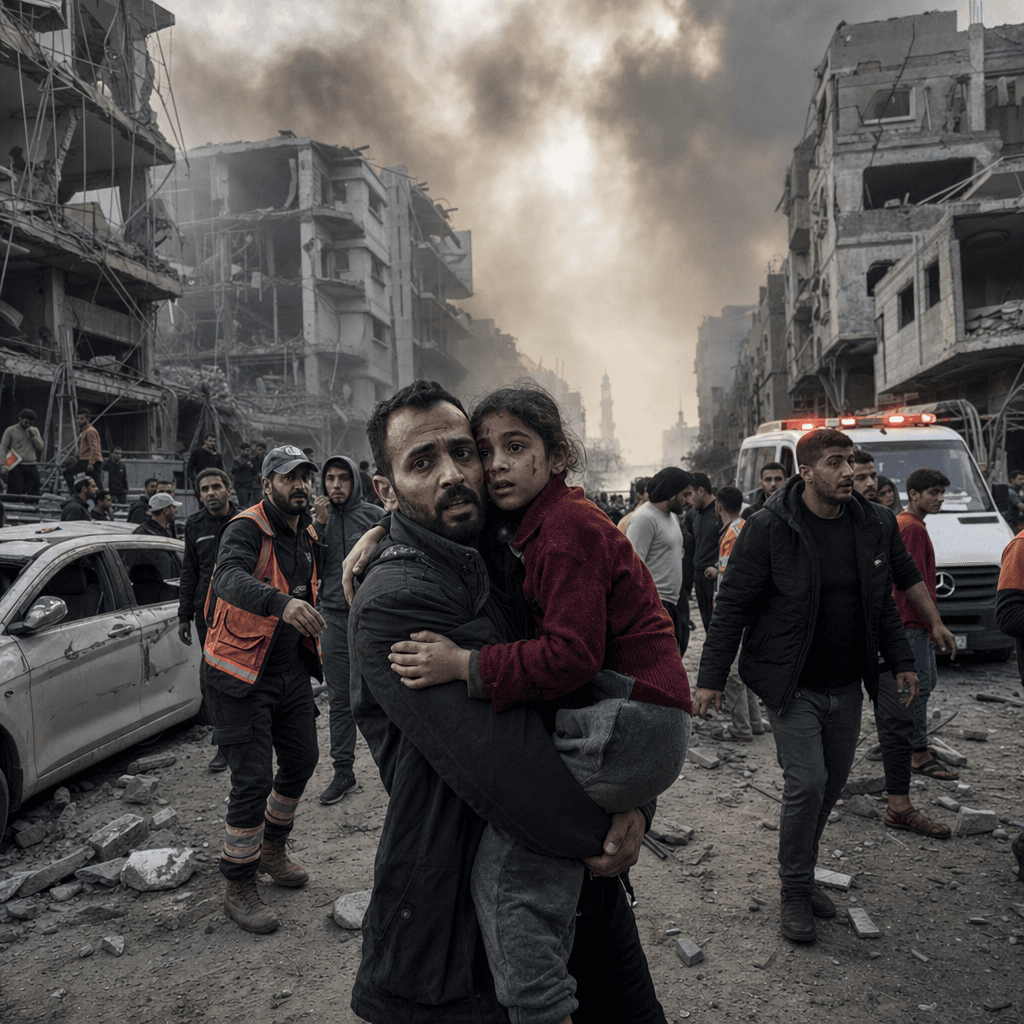
An Israeli airstrike on a residential building in Gaza City killed at least 10 people, including four children, and wounded more than 20 others, according to Gaza health officials cited by Al Jazeera. The timing matters: the attack came despite the nominal ceasefire in place since October, underscoring the core imbalance in the current phase of the war — Israel still controls the escalation ladder.
The strike hit a city already bracing for more violence. Al Jazeera’s Hind Khoudary reported that children were playing in a nearby park when the blast landed, and that parents were increasingly unwilling to let their children out of homes and tents because they feared being caught in the next attack. That is the practical meaning of the ceasefire now: not peace, but managed insecurity.
Israel is using force to shape the talks
The strike also fits a broader Israeli campaign to degrade Hamas’s remaining command structure. Hours before the Gaza City attack, Israel killed Mohammad Odeh, described by Al Jazeera as the head of Hamas’s military wing in Gaza. Israeli officials framed that strike as part of a longer effort to eliminate what remains of Hamas’s senior leadership. That tells you what Jerusalem is prioritizing: not a durable pause, but leverage over the next political arrangement.
The problem is that these operations are happening in parallel with stalled ceasefire implementation. According to Al Jazeera, Gaza’s Government Media Office says Israel has committed 3,005 violations of the ceasefire and allowed only 49,973 aid trucks into the enclave out of 135,600 that were supposed to enter. That claim is from Hamas-linked authorities, but it points to the strategic picture: Israel is keeping military pressure on while restricting the benefits of the truce.
Hamas has little room to trade
Hamas is in a weaker position. It can accuse Israel of violating the ceasefire, and it can point to the humanitarian toll, but it cannot force compliance on the ground. As Asharq Al-Awsat reported, Hamas has been pressing mediators over continued Israeli strikes and is preparing amendments to a new Gaza plan. Separately,
Asharq Al-Awsat reported that the dispute is now reaching the question of who polices Gaza, with Hamas’s police force emerging as a sticking point in talks tied to President Donald Trump’s Gaza framework.
That is the real contest: not just over ceasefire language, but over who governs Gaza when the shooting pauses. Israel wants Hamas disarmed and politically diminished. Hamas wants guarantees on aid, security, and eventual Israeli withdrawal. Right now, Israel has the stronger bargaining position because it can keep striking while talks continue.
What to watch next
The next decision point is whether mediators — especially the United States and Egypt — can extract any restraint from Israel before the talks collapse into open war again. Watch the next 48 hours for three signals: whether Israel keeps hitting Gaza City and northern Gaza, whether Hamas hardens its demands on disarmament and police control, and whether aid flows improve or shrink further. If the strikes continue at this pace, the ceasefire will survive in name only.
Discover more
Conflict & Security
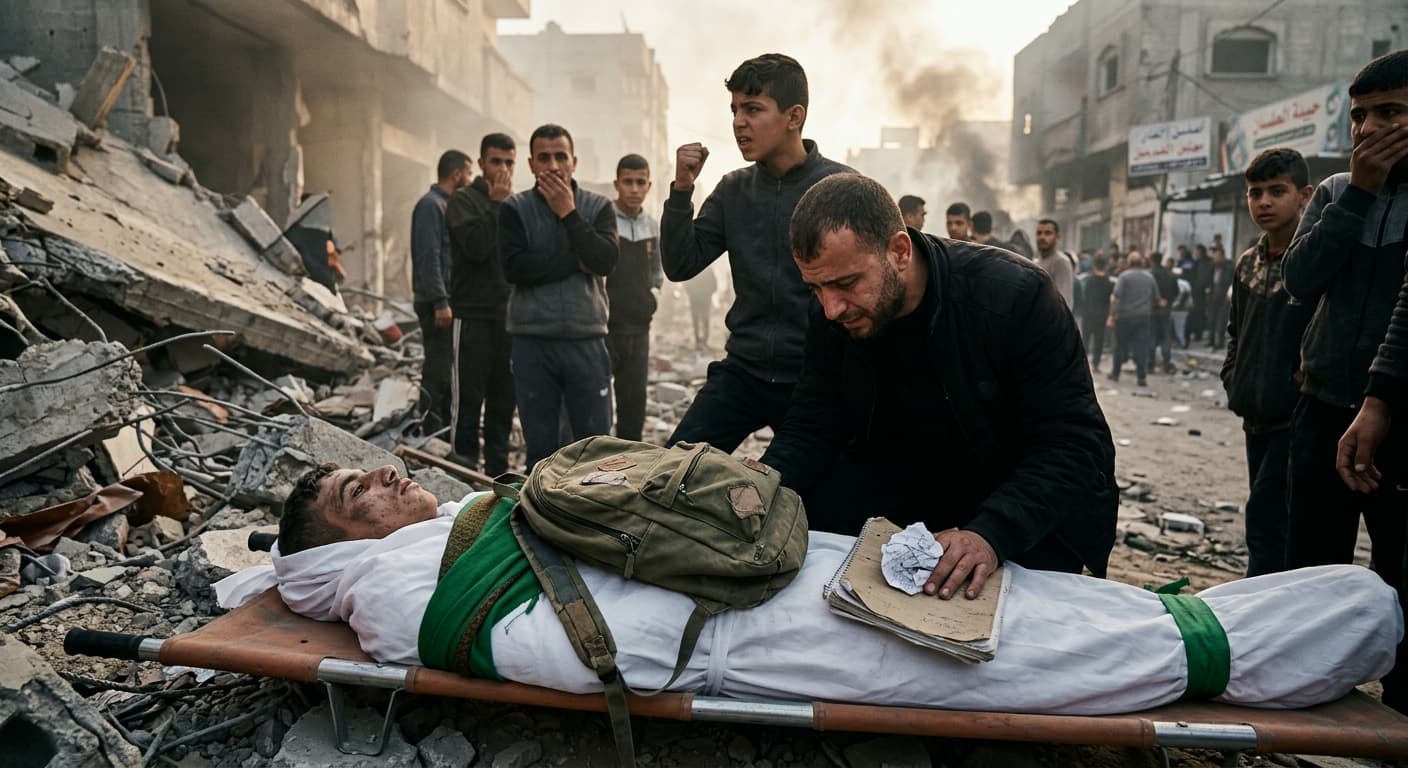
Gaza Student Killed in Israeli Strike
A 17-year-old student was killed in an Israeli strike in Gaza amid ongoing ceasefire violations, underscoring the fragile truce and mounting civilian toll.

International Relations
France’s Flotilla Probe Signals European Rift
France's war crimes probe into Israel over the Gaza aid flotilla marks a significant diplomatic shift, signaling a widening rift in European relations.
International Relations
US Reinstates Sanctions on Albanese
Washington reinstates sanctions on UN rapporteur Francesca Albanese, testing the limits of free speech as her ICC and Gaza criticism draws financial penalties.
International Relations
US Re-Sanctions Francesca Albanese — Why It
The US re-sanctions UN rapporteur Francesca Albanese, applying financial pressure on Gaza critics and signaling a hardening of US foreign policy toward Israel.