Israeli Airstrike Kills Gaza Family, Threatens Ceasefire Stability
An Israeli strike raises questions about the fragile truce in Gaza.
Model Diplomat2 min readMiddle East
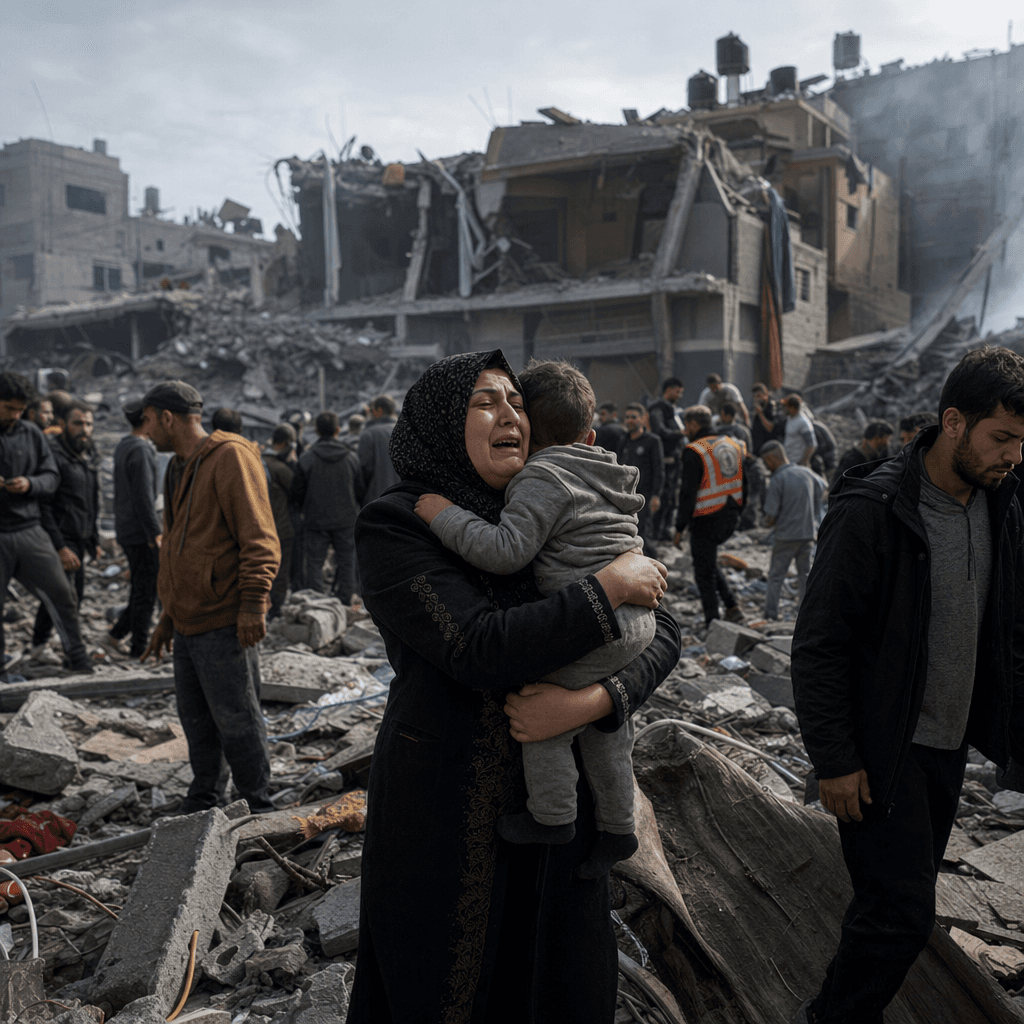
Israeli Strike Kills Gaza Family, Exposing Fragile Ceasefire
[An Israeli airstrike killed a Palestinian couple and their infant in central Gaza, showing that the truce now functions as managed violence, not a real stop to the war.]
An Israeli airstrike killed three members of a Palestinian family in the Nuseirat refugee camp before dawn on Sunday, including an infant, and wounded about 10 others, according to Al Jazeera and a hospital account cited by
Asharq Al-Awsat. Al-Aqsa Martyrs Hospital in Deir el-Balah said it received the bodies from the strike on a residential apartment, while the Israeli military had not immediately commented on the deaths, according to the same reports. The power dynamic is clear: Israel still sets the terms of escalation, and Gaza’s civilians absorb the cost.
Israel keeps the leverage
The significance is not the casualty count alone; it is that Israel is preserving operational freedom inside a supposed ceasefire. Al Jazeera said Israel continues to violate the US-brokered truce, while
Asharq Al-Awsat, citing Reuters, reported that Israel said it had struck three Hamas weapons-storage facilities in central Gaza over the previous 24 hours and reserved the right to hit targets it deems a threat. That is the core political fact: the ceasefire is being interpreted by Israel as a licensing arrangement for selective strikes, not a binding restraint.
That benefits the Israeli government and military, which can claim to be acting against security threats while avoiding a formal return to full-scale war. It also gives Hamas a propaganda opening, but not protection; its main constituency remains trapped under airpower. For a wider read on how this fits the regional picture, see Conflict and
Global Politics.
The civilian toll is becoming the argument
This is how fragile truces unravel: each side uses the other’s violation to justify the next strike. Asharq Al-Awsat, again citing Reuters, said at least 890 Palestinians have been killed since the October 10 ceasefire, even as Israel says five of its soldiers have been hit in the same period. Those figures matter because they show the truce has not stopped killing; it has only changed its tempo and framing.
That leaves mediators with shrinking room to maneuver. If Israel keeps striking while insisting it is enforcing the ceasefire, then the burden shifts to the U.S., Egypt and Qatar to define what counts as a breach and who polices it. Without that, every local incident becomes a political test of whether the ceasefire exists at all.
What to watch next
Watch the Israeli military’s explanation, if one comes, and whether mediators issue any public pushback over the Nuseirat strike in the next 24 hours. Also watch for casualty revisions from Al-Aqsa Martyrs Hospital and whether Sunday’s deaths trigger a new round of claims that the truce has already failed. The next decision point is simple: either the ceasefire gets enforced with clearer limits, or Gaza remains in a state of intermittent war with diplomatic cover.
Discover more
Conflict & Security
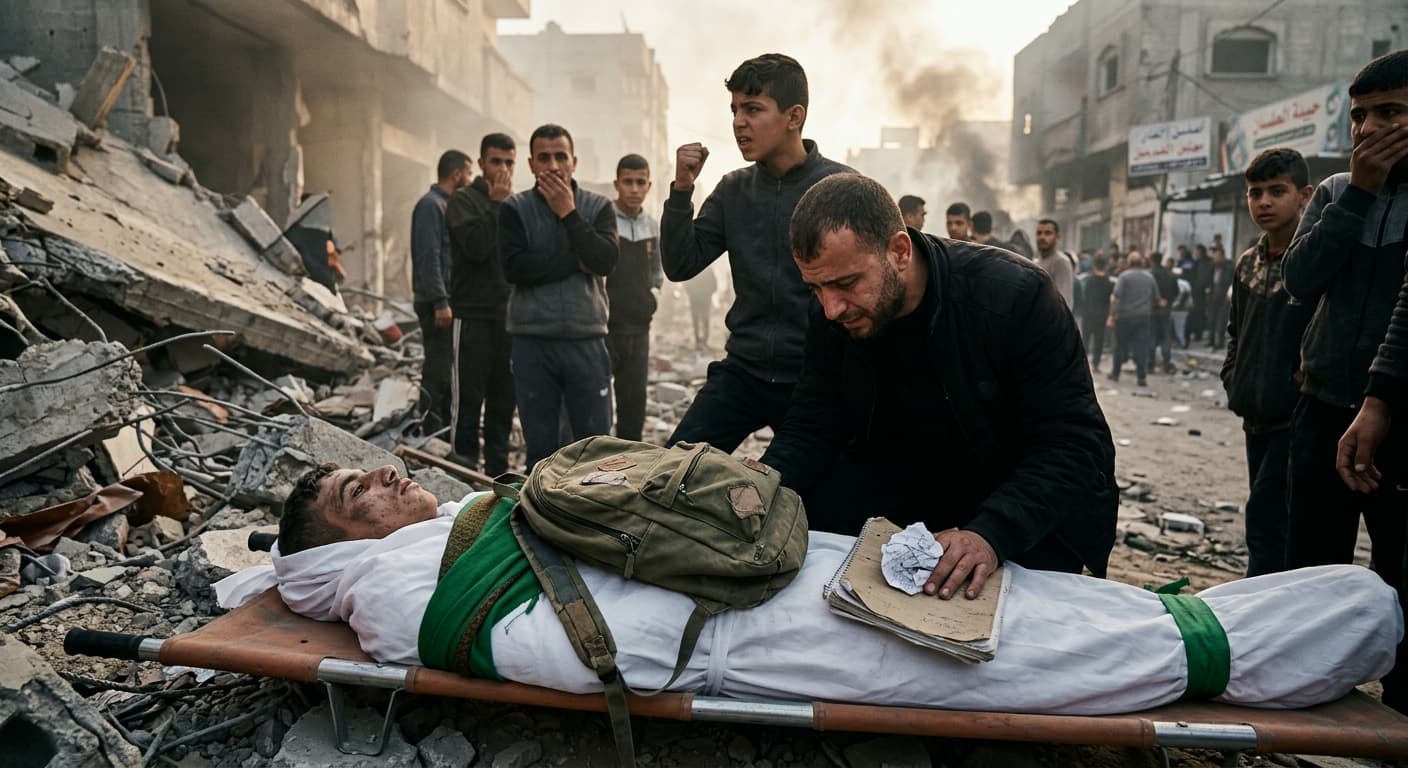
Gaza Student Killed in Israeli Strike
A 17-year-old student was killed in an Israeli strike in Gaza amid ongoing ceasefire violations, underscoring the fragile truce and mounting civilian toll.

International Relations
France’s Flotilla Probe Signals European Rift
France's war crimes probe into Israel over the Gaza aid flotilla marks a significant diplomatic shift, signaling a widening rift in European relations.

International Relations
US Reinstates Sanctions on Albanese
Washington reinstates sanctions on UN rapporteur Francesca Albanese, testing the limits of free speech as her ICC and Gaza criticism draws financial penalties.

International Relations
US Re-Sanctions Francesca Albanese — Why It
The US re-sanctions UN rapporteur Francesca Albanese, applying financial pressure on Gaza critics and signaling a hardening of US foreign policy toward Israel.