Israel-Lebanon Ceasefire and US Haitian Vote
Ceasefire in the Middle East and US immigration debates converge
Model Diplomat3 min readMiddle East

Israel-Lebanon Ceasefire Takes Effect Amid High Toll, US House Debates Haitian Protections
Israel and Lebanon enact a 10-day ceasefire after weeks of conflict; meanwhile, the US House weighs extending protections for Haitian migrants.
A fragile 10-day ceasefire came into effect today between Israel and Lebanon following intense clashes that have escalated tensions in the Middle East. The death toll in Lebanon has surged to 2,196 since these hostilities began, underscoring the high human cost and the volatility of this border flashpoint. Meanwhile, across the Atlantic, the US House of Representatives is poised to vote on extending Temporary Protected Status (TPS) and other forms of humanitarian aid to Haitian migrants, highlighting a parallel moment of crisis management and geopolitical focus.
Why the Israel-Lebanon Ceasefire Matters
The ceasefire announcement is a critical but precarious development in a region perennially on the edge. The Israel-Lebanon border has long been a flashpoint fueled by Hezbollah’s entrenchment in Lebanon and its proxy relationship with Iran. This recent escalation saw exchanges of rocket fire and airstrikes, reminiscent of the devastating 2006 Lebanon War that reshaped regional dynamics. Lebanon’s death toll nearing 2,200 today reflects not just collateral damage but the severe strain on Lebanon’s already fragile infrastructure and politically divided society.
This ceasefire may temporarily de-escalate direct hostilities, but the underlying strategic issues remain. Hezbollah’s militarization and Israel’s security concerns are embedded in broader Middle East power plays that involve Iran, Syria, and the Gulf states. The ceasefire thus acts as a pressure valve rather than a resolution, offering a brief pause for diplomacy without altering the status quo.
For Israel, the ceasefire allows it to recalibrate its military focus, especially as the country faces internal political turmoil and challenges like the ongoing judicial reforms protests. Lebanon, meanwhile, is grappling with one of the worst economic and political crises in modern times, making its capacity to manage or recover from conflict severely compromised. The Western and Arab world’s reaction to this ceasefire will also set the tone for future aid and diplomatic engagement.
US Politics: Haitian Migrants and Broader Immigration Debates
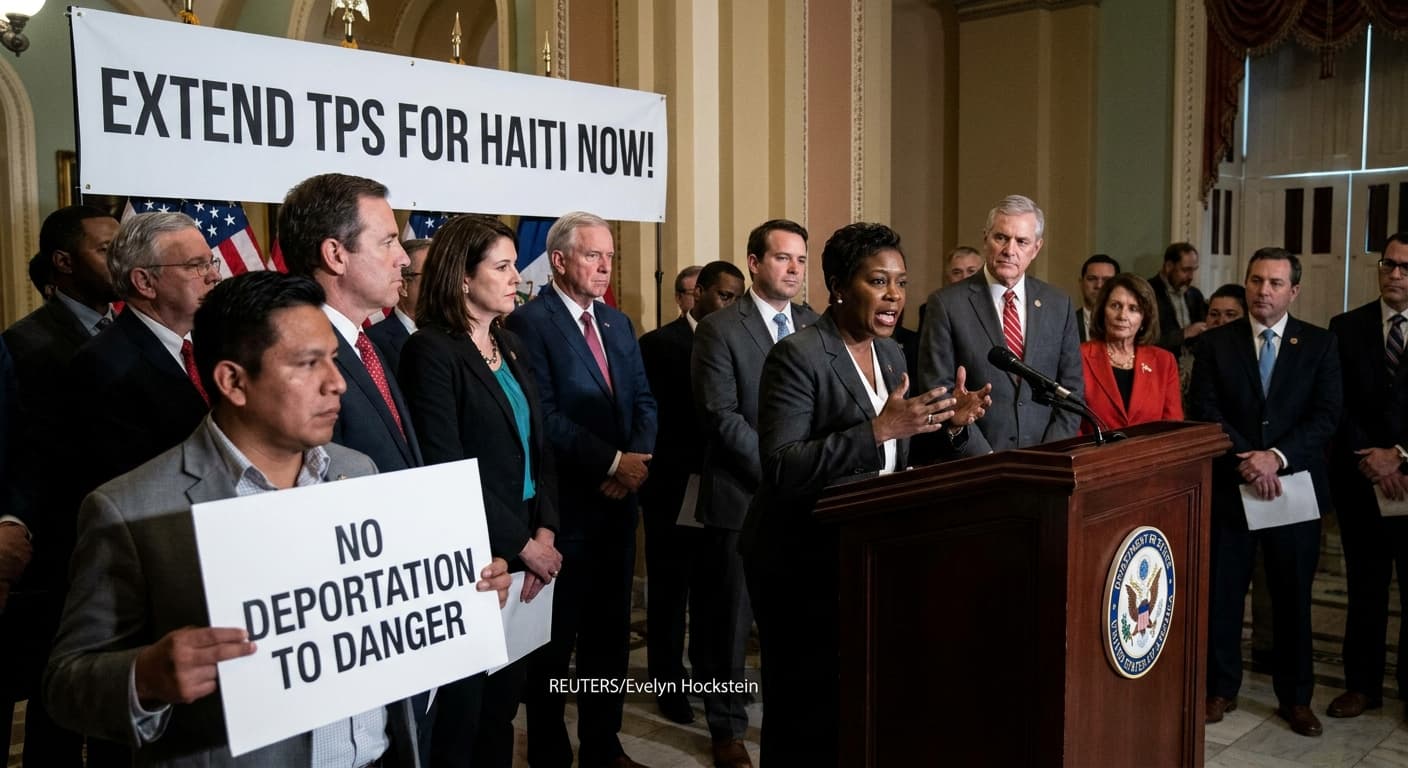
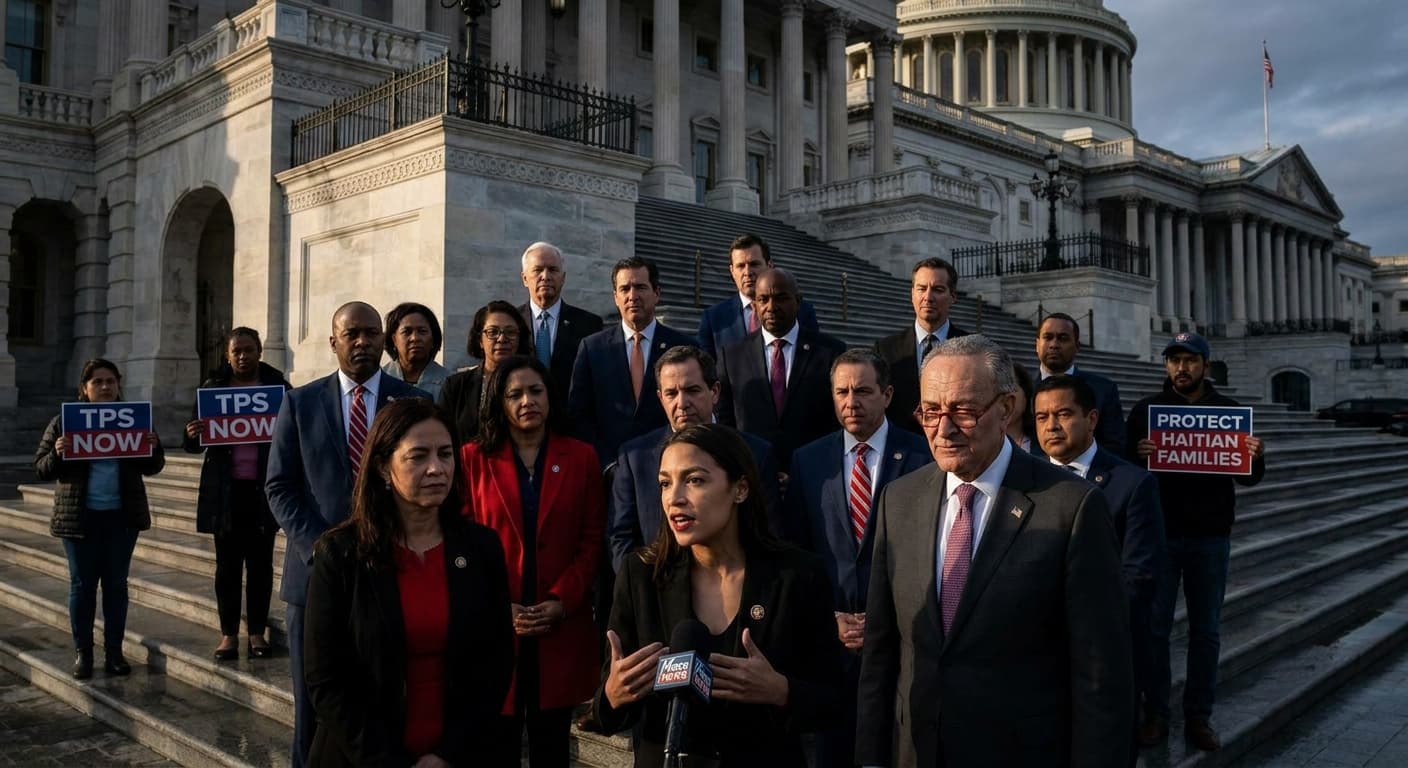
While the Middle East is absorbing global attention, the US House’s expected vote on extending protections for Haitians is a significant domestic and international policy moment. Since the 2010 earthquake and subsequent crises, Haitians have relied on Temporary Protected Status (TPS) and Deferred Enforced Departure (DED) to live and work legally in the US.
Extending these protections is not just a humanitarian measure but a politically charged move amid ongoing immigration debates. Haitian migrants symbolize broader questions about US immigration policy priorities under the Biden administration, especially contrasted with the Trump era’s hardline stances. The vote signals congressional recognition of Haiti’s continued instability—from natural disasters to political violence—and the humanitarian imperative to provide refuge. The outcome of this legislative effort may influence US relations with the Caribbean and shape future immigration reforms.
What to Watch Next
The coming days will test the durability of the Israel-Lebanon ceasefire. Any breach risks dragging the wider region back into conflict with potential spillovers—including increased involvement from Iranian-backed groups and shifts in US and European diplomatic posture.
In Washington, the House vote on Haitian protections will be a litmus test of bipartisan cooperation on immigration and humanitarian aid. Failure to extend these protections could force thousands of Haitians into precarious legal positions, sparking political backlash and humanitarian crises.
Both developments—Middle East security and US immigration policy—highlight how local conflicts and migration challenges remain deeply interconnected with global political calculations. As Israel and Lebanon step back from immediate conflict, and the US navigates its role as a destination for displaced populations, these stories reveal the continuing complexity and urgency of 21st-century geopolitics.
For more on Middle East dynamics, visit Global Politics. Explore the US political landscape at
United States.
Discover more
US Politics
House Bill Extends TPS for Haitians 2023
The U.S. House advanced a bill to extend Temporary Protected Status for Haitians, shielding over 150,000 from deportation amid ongoing instability in Haiti.
US Politics
House Passes Bill for Haitian Immigrant Prote
The House advances a bipartisan bill protecting Haitian immigrants under TPS, countering Trump-era policies and addressing the deepening crisis in Haiti.

US Politics
House Restores TPS for Haitian Immigrants
The House voted to restore Temporary Protected Status for 350,000 Haitians, defying Trump and exposing deepening GOP divisions over immigration policy.

Economics
Fed's Amex AML order puts correspondent banking on notice
Federal Reserve's Amex AML order requires board-level controls and a 90-day plan; OCC fined the bank $350 million over enterprise-wide deficiencies.