House Bill Extends TPS for Haitians 2023
Bipartisan measure aims to protect Haitians from deportation
Model Diplomat3 min readUnited States
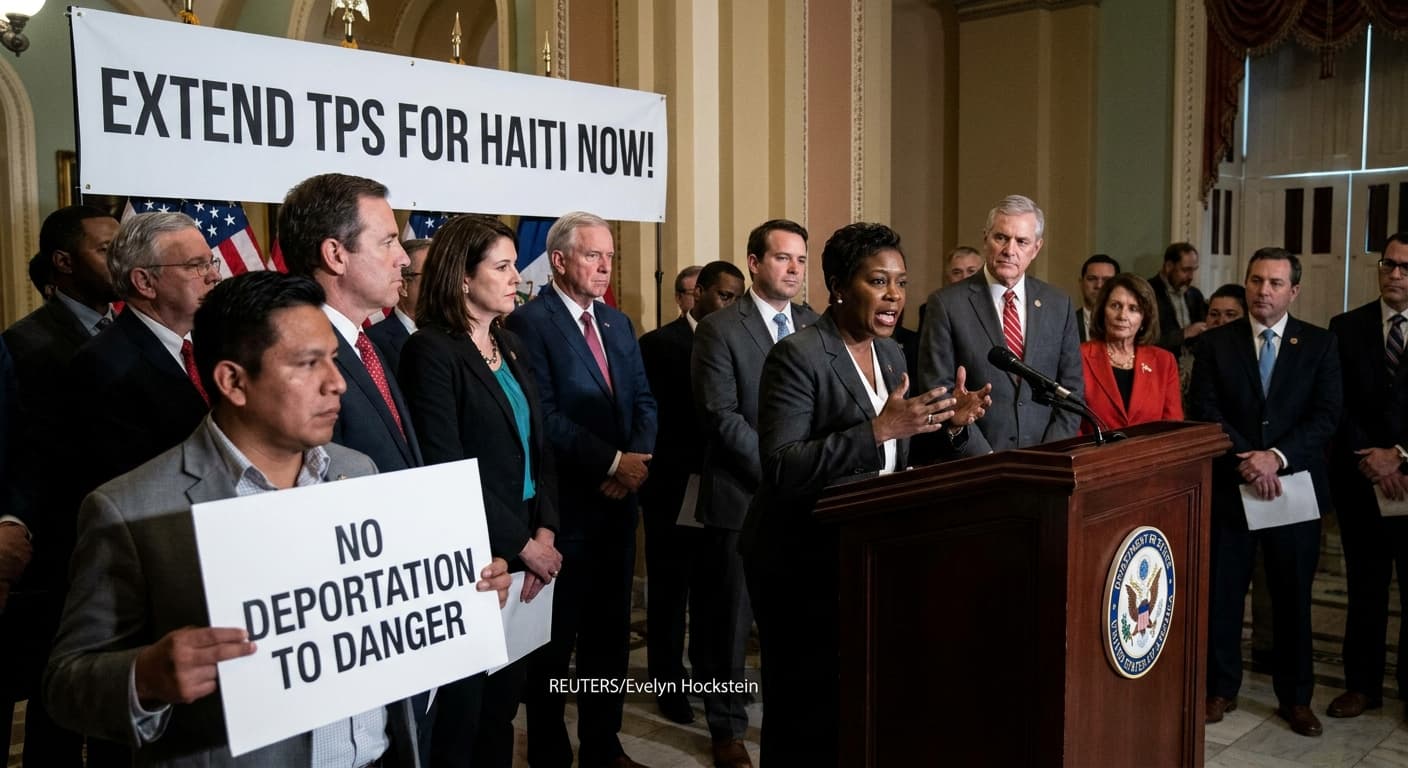
House Advances Bill Extending TPS for Haitians Amid Deportation Fears
The U.S. House is set to vote on a bipartisan measure that would extend Temporary Protected Status for Haitians by three years, blocking deportations at a precarious time.
The U.S. House of Representatives is moving forward with a bill to extend Temporary Protected Status (TPS) for Haitians for three more years, protecting more than 150,000 people from deportation. This bipartisan effort pushes back against the Trump administration’s 2021 attempt to terminate TPS designations for Haiti, which put hundreds of thousands at risk of removal despite ongoing crises in the country. The vote, expected this week, signals Congressional resistance to abandoning protections for a vulnerable immigrant group amid Haiti’s continued instability.
TPS Extension: What It Means and Why Now
TPS is a humanitarian immigration status allowing nationals of countries experiencing armed conflict, natural disasters, or other extraordinary conditions to remain and work in the U.S. temporarily. Haiti first received TPS after the devastating 2010 earthquake, with extensions granted due to persistent political turmoil, economic collapse, gang violence, and the 2021 assassination of President Jovenel Moïse.
The Trump administration’s push to end TPS for Haitians sparked legal battles and was widely criticized for ignoring Haiti’s deteriorating conditions. The Biden administration has been under pressure to issue further extensions or provide a clear path to permanent residency, but progress has been slow. The House bill would lock in a three-year TPS extension, providing a vital reprieve for Haitians who have built lives in the U.S. but remain in limbo.
This legislative move is notable because it transcends partisan lines, reflecting growing recognition that humanitarian protections cannot be undone abruptly when conditions remain dire. It also responds to grassroots advocacy and the strong political presence of Haitian-American communities, especially in key states like Florida and New York, which have sizable Haitian diaspora populations.
The Broader Immigration and Foreign Policy Stakes
This push to protect Haitians through TPS juxtaposes sharply with the Trump administration’s hardline immigration policies, underscoring a continuing debate in U.S. politics over humanitarian immigration versus stricter border enforcement. As TPS extensions for other countries like El Salvador and Nicaragua also come under scrutiny, what happens with Haiti could set a precedent.
Moreover, this is not only about immigration policy but also about U.S. foreign policy signals. The U.S. has a fraught history in Haiti—from interventions to aid and influence—making the current approach to Haitian migrants a sensitive marker of American commitment to the island’s stability and human rights. Ending TPS abruptly amid Haiti’s ongoing crises could exacerbate regional instability and strain diplomatic ties.
What to Watch Next
The House vote is just one step. The bill must clear the Senate and receive the president’s signature to become law — not guaranteed given ongoing partisan divides. The Biden administration’s stance on this legislative push will be crucial; failure to embrace a firm extension could unravel bipartisan support and anger advocates.
Also worth watching is how this fits into the broader U.S. immigration agenda. Will there be complementary reforms addressing permanent residency for TPS holders? Or will Haitian immigrants face a recurring cycle of protections followed by uncertainty?
Finally, developments in Haiti itself will continue shaping U.S. policy. Renewed instability or humanitarian disasters could amplify pressure on Congress and the administration to maintain flexible, humane immigration measures.
For readers interested in the evolving U.S. immigration landscape and its intersection with foreign policy, this episode highlights the ongoing balance between domestic politics, international crises, and the lives of immigrants caught in between.
Related reading: United States Immigration Policy,
Haiti Country Profile
AP News: House moving ahead on bill to protect Haitian immigrants
Discover more
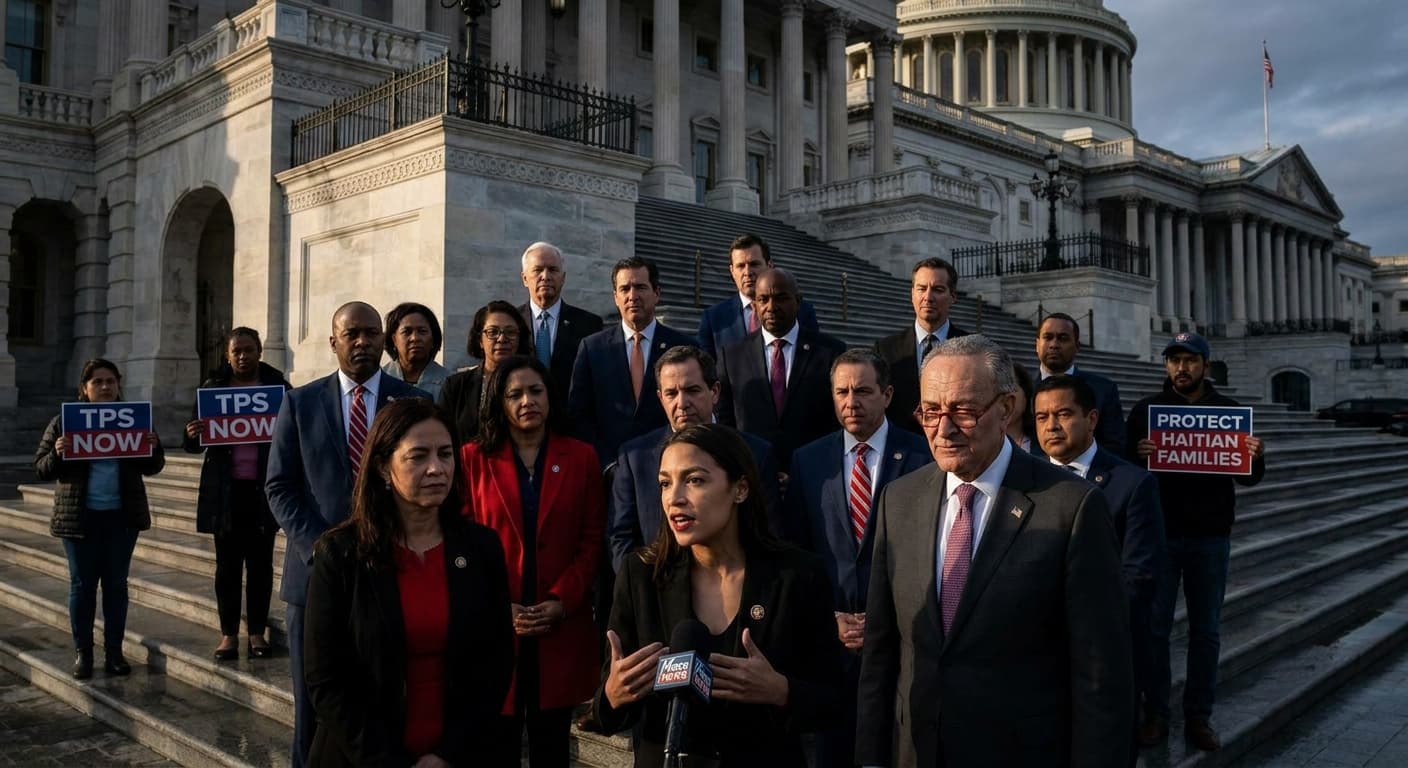
US Politics
House Passes Bill for Haitian Immigrant Prote
The House advances a bipartisan bill protecting Haitian immigrants under TPS, countering Trump-era policies and addressing the deepening crisis in Haiti.

US Politics
House Restores TPS for Haitian Immigrants
The House voted to restore Temporary Protected Status for 350,000 Haitians, defying Trump and exposing deepening GOP divisions over immigration policy.
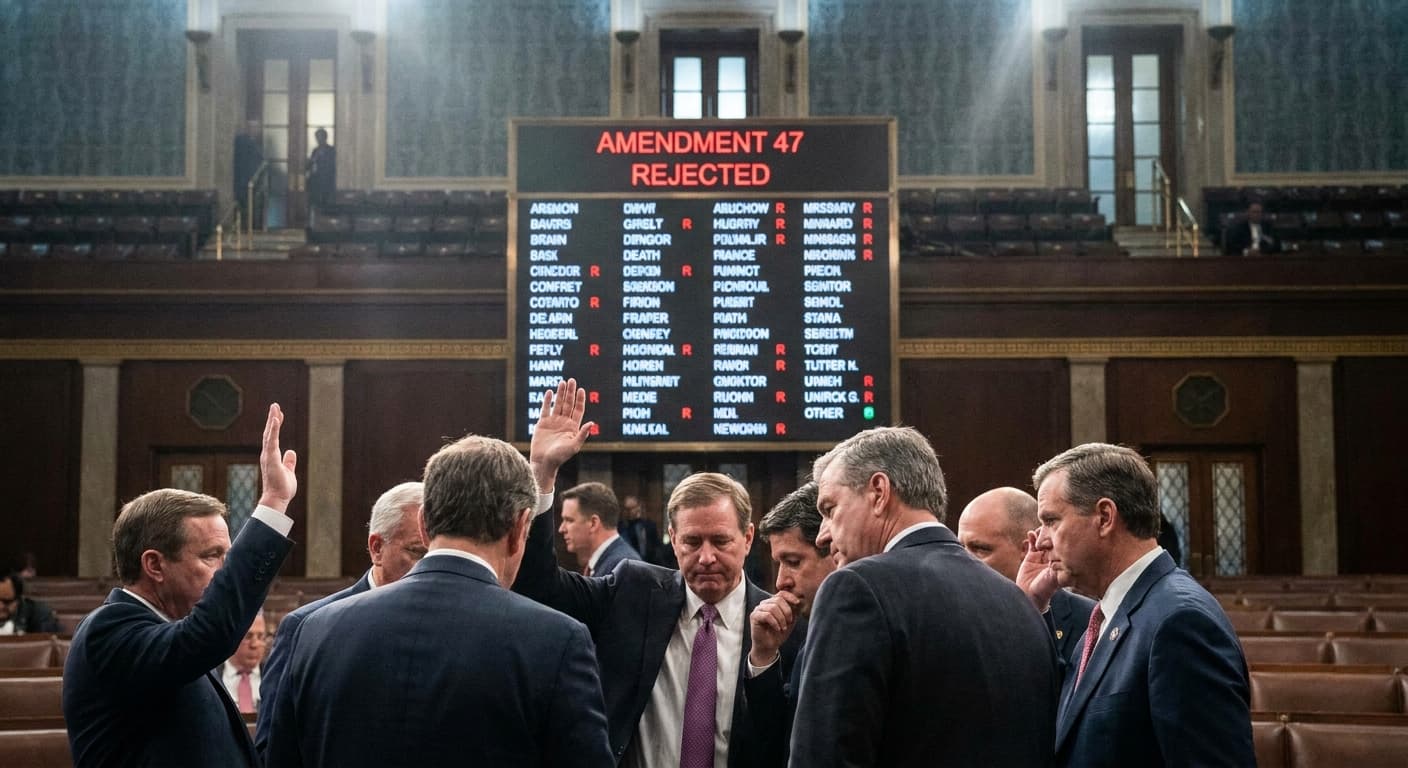
US Politics
House Rejects Resolution on Trump's Iran Host
The House voted down a resolution to limit Trump's military actions in Iran, laying bare partisan divides and reigniting debate over presidential war powers.

Economics
Fed's Amex AML order puts correspondent banking on notice
Federal Reserve's Amex AML order requires board-level controls and a 90-day plan; OCC fined the bank $350 million over enterprise-wide deficiencies.