Iran's Warning
Tehran signals wider war if US attacks amid diplomatic tensions.
Model Diplomat3 min readMiddle East
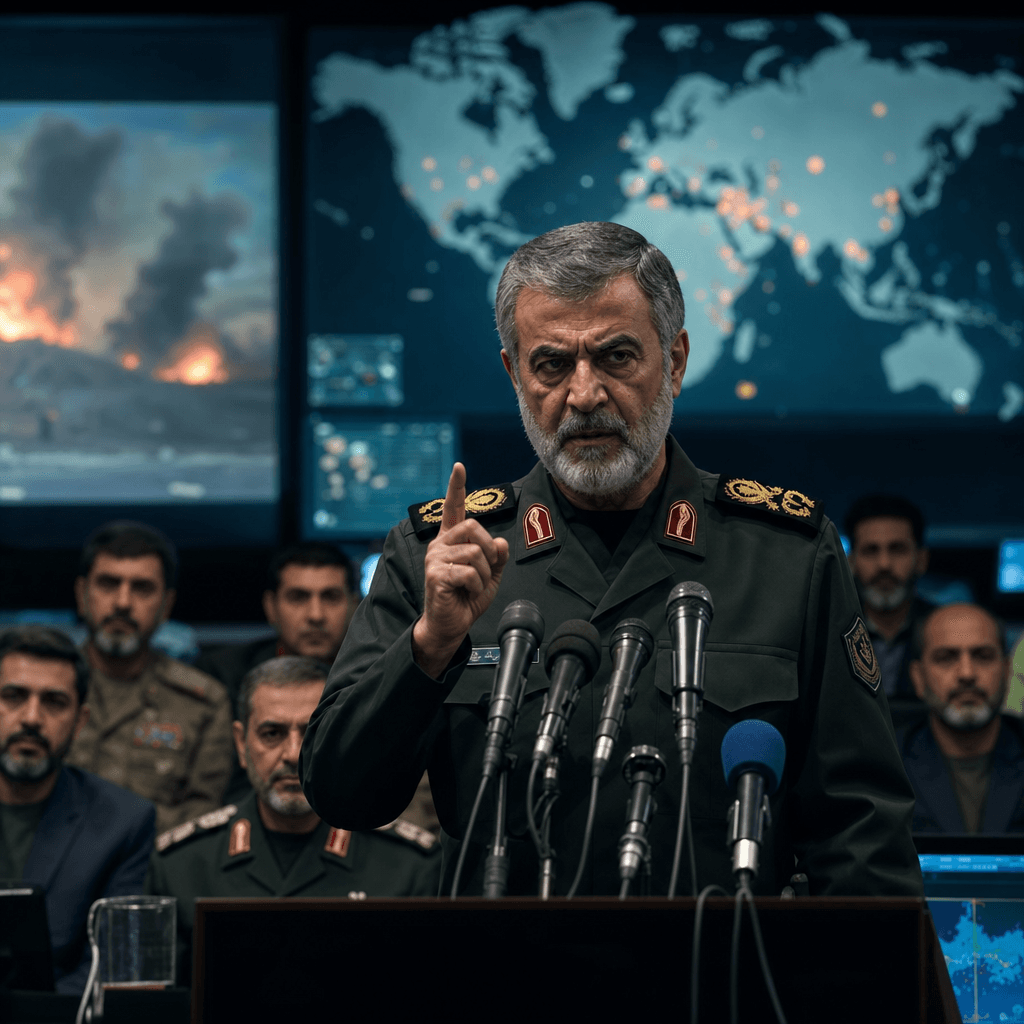
Iran Raises the Cost of a Trump Strike — and Bet on Hormuz
Tehran is warning that any new US attack would widen the war, while Pakistan shuttles messages and Trump keeps the strike option live.
Iran’s Revolutionary Guards are trying to turn Donald Trump’s threat of renewed strikes into a strategic liability, not a deterrent. In a statement carried by France 24, the Guards said any repeat attack would push the war “well beyond the region,” after Trump gave Tehran “two or three days” to produce progress in talks or face action.
La Libre and
Al Jazeera reported the same escalation: Tehran is not just threatening retaliation, it is signaling that US assets, shipping lanes and regional partners would be pulled into a wider fight.
Hormuz is where Iran still has leverage
The real pressure point is not rhetoric. It is the Strait of Hormuz. France 24 said Tehran has already created a new body to supervise the waterway and collect transit fees, after months in which the lane was nearly blocked and global oil markets were jolted. Al Jazeera reported that before the war, roughly a fifth of global oil and liquefied natural gas moved through the strait, and that the conflict has already driven a supply shock and higher energy prices. That is why Iran’s threat lands far beyond the Middle East: any renewed confrontation would hit Asian importers, Gulf exporters and shipping insurers before it reaches the battlefield. For policymakers tracking the fallout, this belongs with the wider strategic picture in Global Politics.
That is also why Tehran’s warning is designed to change the bargaining table. The Guards’ message, echoed by Foreign Minister Abbas Araghchi, is that Iran can make the cost of an attack global even if the fighting begins locally. France 24 said Araghchi warned that a return to war would bring “many more surprises.” This is not just defiance; it is an attempt to raise the price of a US strike before Trump decides whether his deadline is real.
Pakistan is the channel Washington still needs
Pakistan now sits in the middle of the only active diplomatic lane. Al Jazeera reported that Pakistan’s interior minister, Mohsin Naqvi, was in Tehran again this week, while army chief Asim Munir was due to follow for talks. That matters because Islamabad hosted the only direct US-Iran negotiations since the war began, and because both Washington and Tehran are still using Pakistani mediation rather than talking directly.
The gap, though, remains wide. Al Jazeera said Iran is demanding sanctions relief, the release of frozen assets and an end to the US blockade on Iranian ports, while Washington is still focused on stopping Iran from rebuilding a nuclear weapons capability. Trump, for his part, is keeping the military option open while claiming the talks are “on the borderline” between a deal and renewed strikes. La Libre reported that even as the White House says dialogue continues, Trump has signaled he may act within days if he does not get “the right answers.”
What to watch next
The next decision point is Trump’s own deadline window: days, not weeks. If no breakthrough emerges from the Pakistan channel, expect a sharper US military alert posture, more Iranian pressure around Hormuz, and louder intervention from Gulf states trying to keep shipping open. If the talks move, it will be because both sides concluded that a wider war now costs more than a bad deal. For the US angle, see United States.
Discover more

Global Politics
US Seizes Iranian Ship, Tensions Surge
The US seizure of the Iranian ship Touska highlights a shift in control over the Strait of Hormuz, favoring Iran's strategic position.

Conflict & Security
Drone Warfare Killing Aid Workers at Unprec
Over 1,000 humanitarian workers killed in three years as cheap armed drones collapse legal protections. Gaza, Sudan, Ukraine, and DRC see deliberate targeting of aid convoys and hospitals with zero prosecutions.

Global
World Normalises Taliban as Afghan Women Eras
UN data shows Afghan women erased from public life as Russia recognises the Taliban, EU hosts officials in Brussels, and ICC warrants for gender persecution go unenforced.
Conflict & Security
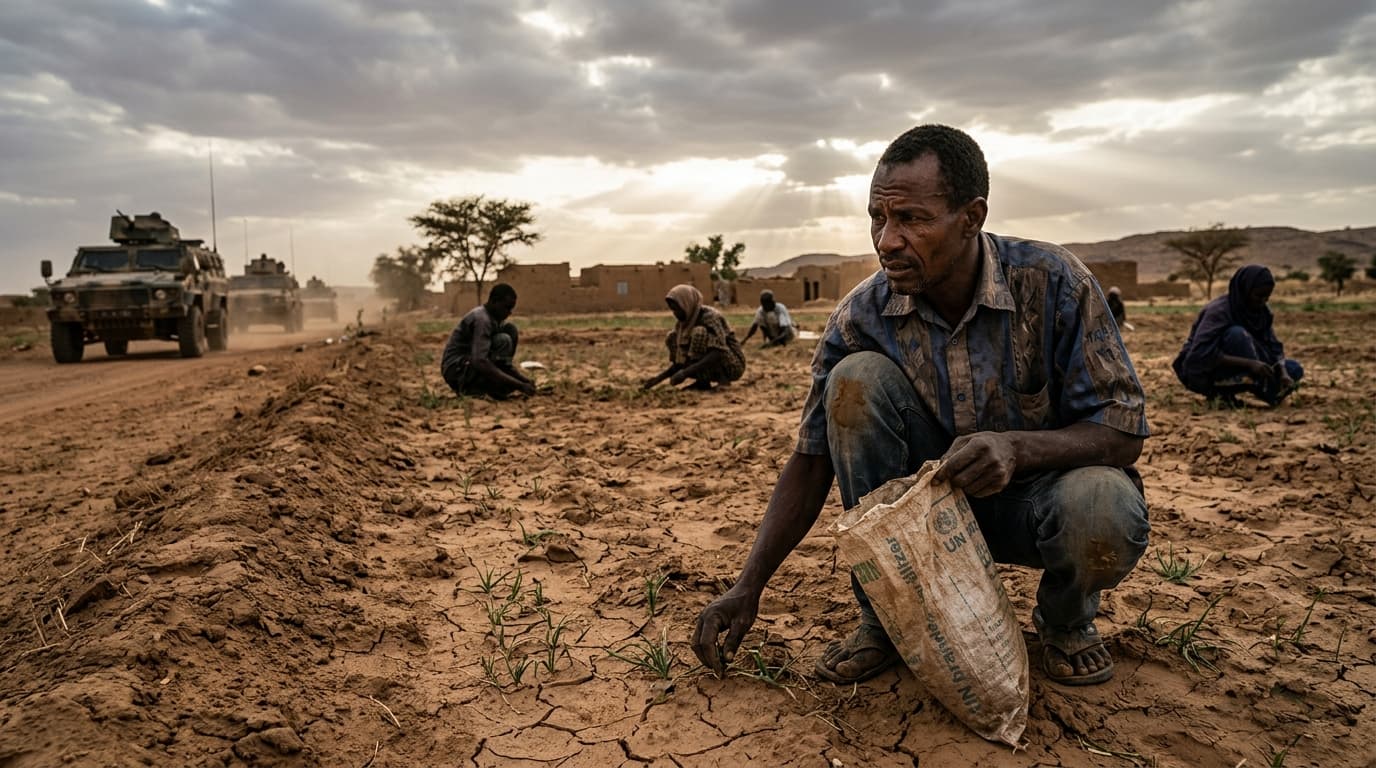
West Africa Food Crisis: Three Shocks in 2026
Conflict, climate extremes, and the Strait of Hormuz closure drive a severe food crisis in West and Central Africa, with fertilizer prices surging 80% and millions displaced.