Iran's Nationalist Propaganda
Tehran's new strategy blends nationalism with military displays.
Model Diplomat3 min readMiddle East
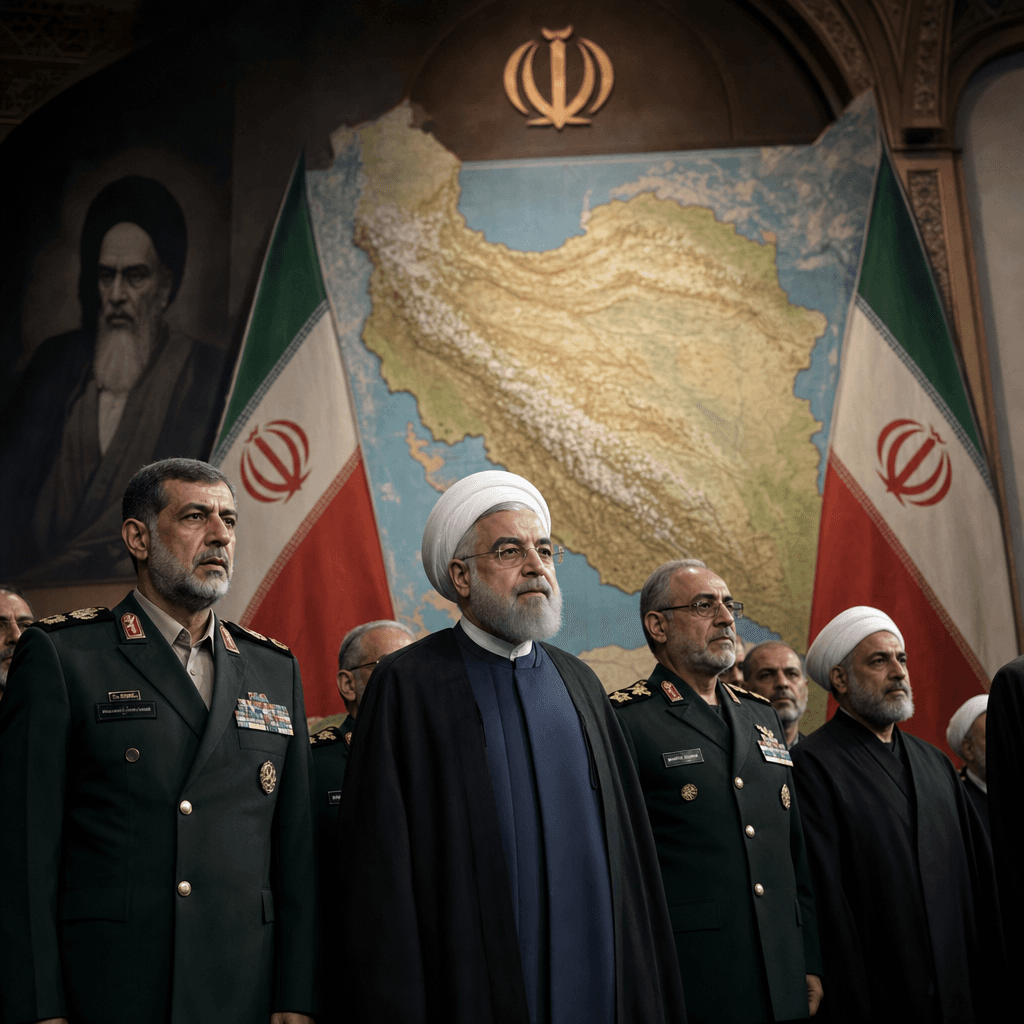
Iran’s Unity Theater Masks a Harder State
Tehran is swapping clerical slogans for nationalist spectacle to paper over fractures, while the IRGC turns wartime messaging into political leverage.
Iran’s leadership is trying to do two things at once: project cohesion outward and discipline a restless public inward. Reuters reports that Tehran is covering the capital with posters glorifying the Revolutionary Guards and the Strait of Hormuz, while staging military-themed mass weddings and public weapons drills in mosques to sell an image of national resistance and unity (Reuters). The shift matters because it is not just propaganda. It is a signal that the regime believes its old revolutionary language no longer mobilizes enough people, and that nationalism is now the more usable political glue.
The message has changed
Reuters says the propaganda has moved away from the Shiite martyrdom imagery that defined earlier decades and toward Persian symbols, patriotic slogans and anti-American mockery (Reuters). That is a tactical adjustment. Ali Vaez of the International Crisis Group told Reuters the “old ideology of the Islamic Republic” has lost traction, forcing the system to draw on broader Iranian identity. Ali Ansari of the University of St Andrews was blunter: the aim is to show that “everything is normal,” that Iranians are united, and that the state will not “butcher our own people” (
Reuters).
That framing gives away the regime’s vulnerability. States do not stage nightly rallies, mosque gun training and theatrical weddings when they are confident. They do it when they need to remind rivals — and ordinary citizens — that coercive power is still intact. For a broader read on how states use spectacle to manage conflict, see Global Politics and
Conflict.
The IRGC is the real beneficiary
The main winner is the Revolutionary Guards, not the clerical establishment. Al Jazeera reported in May that Iran’s decision-making has become concentrated in a smaller circle around the supreme leader’s office, senior IRGC figures and trusted security officials, with President Masoud Pezeshkian and parliamentary speaker Mohammad Bagher Ghalibaf largely managing the narrative rather than setting it (Al Jazeera). Reuters’ description of the new messaging fits that power shift: the more Iran presents itself as a nation under siege, the more the Guards can claim to be the institution that saved it.
That also narrows the space for pragmatists. Pezeshkian has already pushed back against the idea of a fractured leadership and warned against deeper escalation (Al Jazeera). But if the state’s public story is now built around resistance, compromise becomes harder to sell. Any concession can be framed by hardliners as betrayal of the nation, not just of the system.
What to watch next
The next test is whether this propaganda line is matched by a harder negotiating posture or by another round of internal repression. Reuters says the regime’s external messaging is being strengthened by U.S. and Israeli strikes and by Donald Trump’s threats, which allow Tehran to recast the war as one against Iran itself rather than the Islamic Republic (Reuters). Watch the next mediation move, and watch who speaks for Tehran when it comes. If the IRGC keeps controlling both the battlefield narrative and the diplomatic line, the system is moving further from clerical politics toward security-state rule.
Discover more
Global Politics
Trump's Conflicting Messages on Iran War
Trump's mixed messages on Iran reflect a strategy of audience management, benefiting Tehran amid a complex geopolitical landscape.

Economics
Fed's Amex AML order puts correspondent banking on notice
Federal Reserve's Amex AML order requires board-level controls and a 90-day plan; OCC fined the bank $350 million over enterprise-wide deficiencies.
Conflict & Security
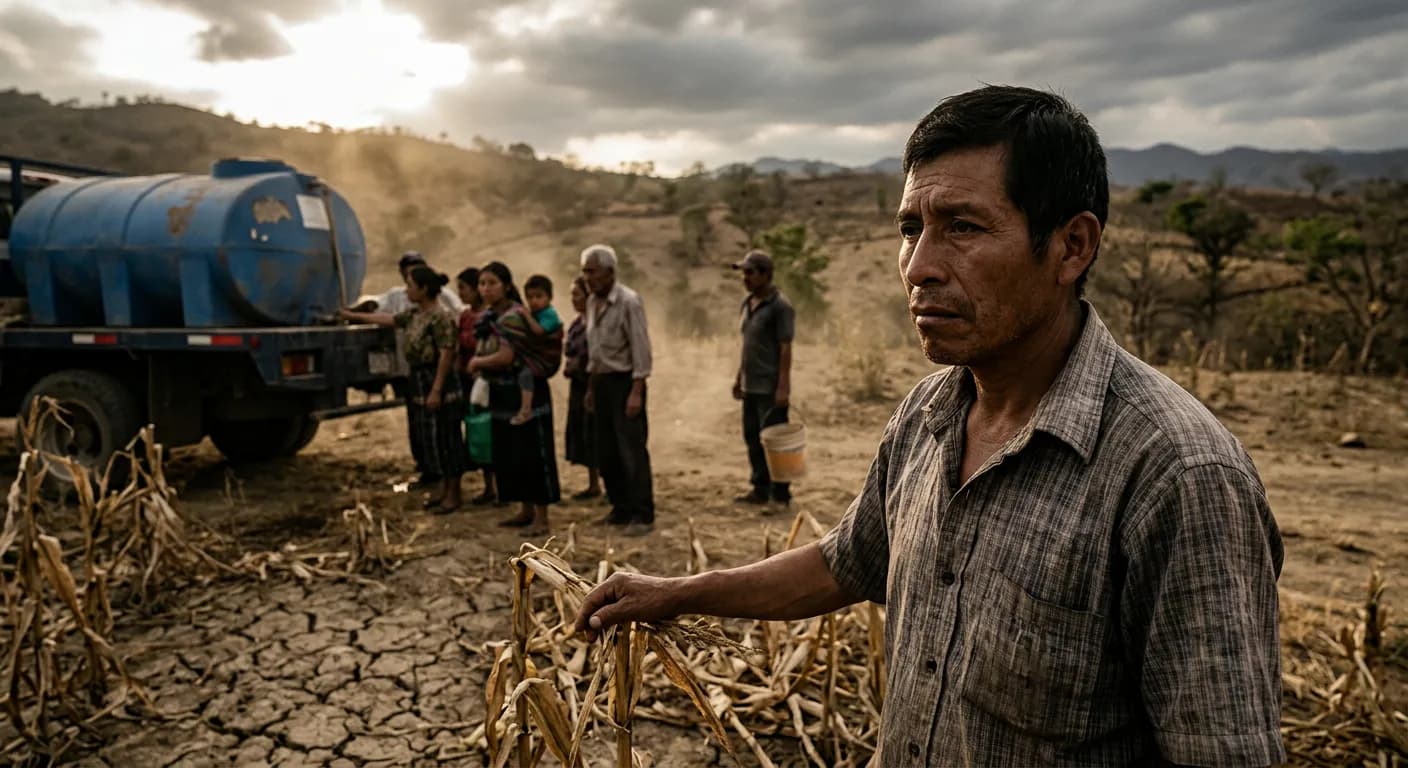
Guatemala: El Niño 2026–27 becomes regional security test
UNICEF: 25.8M children face El Niño risks in Latin America; Guatemala maps 188 municipalities for drought and food insecurity amid regional security test.

Economics
Fed's stress-test overhaul is a capital-smoothing exercise
Federal Reserve finalized stress-test overhaul: two-year averaging for bank capital buffers and public input, expected to halve volatility.