Iran's Narges Mohammadi
Nobel laureate's health crisis highlights regime's coercive tactics.
Model Diplomat2 min readMiddle East
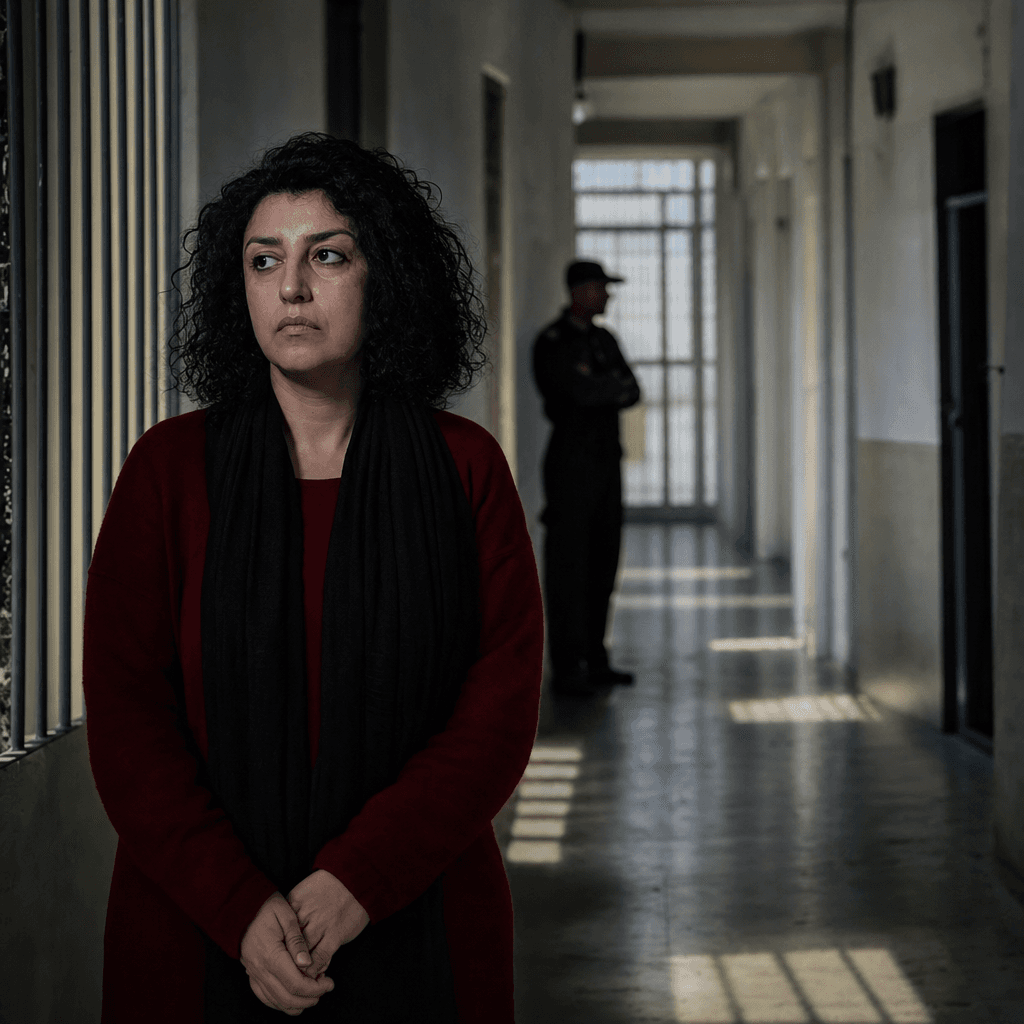
Iran Uses Narges Mohammadi to Signal No One Is Untouchable
Iran’s refusal to free Narges Mohammadi for proper cardiac care shows the regime still values coercion over reputation, even at the cost of a Nobel laureate’s life.
Iran is keeping Narges Mohammadi in custody despite a reported heart attack and warnings from her husband that she could die without specialist treatment. The immediate power dynamic is clear: Tehran controls access to care, and it is using that control to reinforce deterrence against dissidents, lawyers and anyone else tempted to test the system. Reuters
Why this case matters
Mohammadi is not an ordinary prisoner. She won the Nobel Peace Prize in 2023 while already behind bars, and Iranian authorities responded by extending her sentence rather than easing pressure. AP reported that she was arrested again in December, later sentenced to seven more years, and has since suffered a cardiac crisis that led to hospital transfer in northwestern Iran. AP News
That makes her detention a political message, not just a judicial case. Tehran benefits from showing that even the highest-profile international award in the human-rights field does not buy immunity. The cost falls on Mohammadi, her family, and the broader rights network inside Iran, which reads her treatment as a warning about what happens when the state wants compliance. The Nobel Committee itself condemned her “ongoing life-threatening mistreatment” earlier this year, underscoring how badly the case is damaging Iran’s image abroad. AP News
The regime’s leverage is medical, not just legal
This is the important second-order point: prison health care has become another instrument of coercion. Reuters said Mohammadi’s husband fears that high blood pressure or a pulmonary embolism could prove fatal, and the family wants her moved to Tehran for better treatment. AP reported that a provincial hospital could not provide adequate care and that doctors had already recommended a suspension of her sentence for treatment. Reuters
AP News
That matters because it turns delay into policy. If Mohammadi deteriorates further, the authorities can claim the prison system is not directly responsible; but politically, the result still serves the same purpose: exhausting a high-profile opponent while minimizing immediate backlash. Her husband’s warning that the regime is “using” the wider war climate to justify repression fits that pattern. Reuters
What to watch next
The next decision point is whether Iranian authorities authorize a transfer to Tehran or a full medical furlough. If they do not, the case becomes a live test of how far outside pressure can move a system that has already shown it will absorb criticism rather than change course. Watch for any move by Mohammadi’s lawyers, the Nobel Committee, or European governments in the coming days; the practical deadline is her next medical assessment, not any diplomatic calendar.
Discover more
India
BJP's Misunderstanding of Women's Quota Needs
The BJP's linking of the Women Reservation Bill to delimitation risks delaying women's empowerment in India, misreading the aspirations of female voters.
Global Politics
Trump's Conflicting Messages on Iran War
Trump's mixed messages on Iran reflect a strategy of audience management, benefiting Tehran amid a complex geopolitical landscape.

Conflict & Security
Drone Warfare Killing Aid Workers at Unprec
Over 1,000 humanitarian workers killed in three years as cheap armed drones collapse legal protections. Gaza, Sudan, Ukraine, and DRC see deliberate targeting of aid convoys and hospitals with zero prosecutions.
Global
World Normalises Taliban as Afghan Women Eras
UN data shows Afghan women erased from public life as Russia recognises the Taliban, EU hosts officials in Brussels, and ICC warrants for gender persecution go unenforced.