Iran's Historical Leverage in Trump Deal
Tehran uses history to assert strength in negotiations.
Model Diplomat3 min readMiddle East
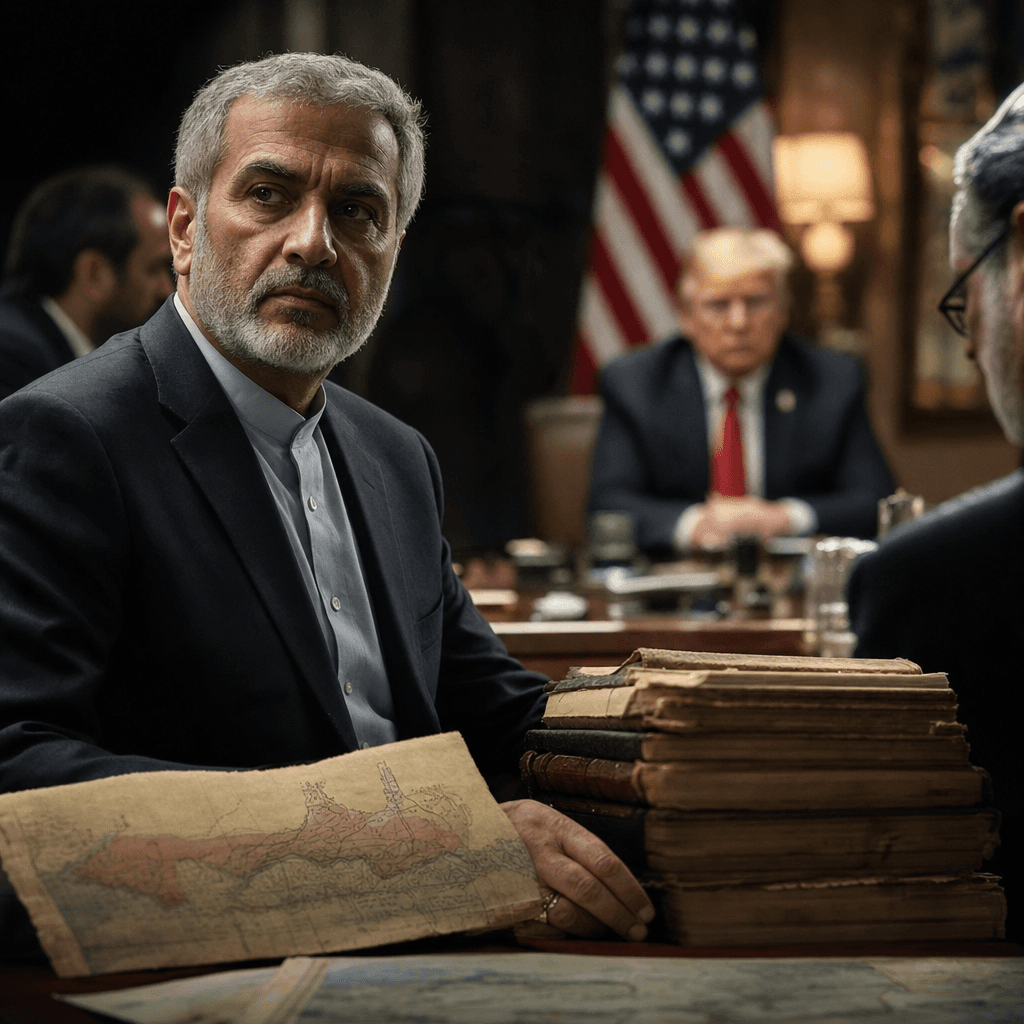
Iran leans on Hormuz and history as Trump touts deal
Tehran is signaling resistance, not concession, as Trump declares a deal “largely negotiated”; the real leverage still sits with Hormuz, uranium, and who blinks first.
Iran is using history as a pressure tool. In response to Donald Trump’s claim that a US-Iran deal was “largely negotiated,” senior Iranian officials invoked ancient Persian victories and the 1982 recapture of Khorramshahr to frame the confrontation as a repeat of past wars in which Iran outlasted stronger foes, according to Al Jazeera. That messaging is not nostalgia. It is an attempt by Tehran to tell Washington, Israel and its own public that any settlement must look like a victory, not a surrender.
Tehran’s leverage is still real
The bargaining chip is the Strait of Hormuz. Trump said the emerging memorandum would reopen the waterway, while Iranian officials described talks over a framework in which the strait would resume traffic but remain under Iranian control in some form, with nuclear issues deferred to later negotiations, according to BBC and
The New York Times. That matters because Iran has shown it can turn maritime chokepoints into political leverage. The practical result is a familiar one: oil markets, Gulf monarchies and Washington all want stability faster than Tehran needs to concede.
The same logic explains the Iranian messaging around Khorramshahr. By linking today’s crisis to a war memorialized inside the Islamic Republic, officials are trying to make compromise costly for themselves and dangerous for Trump’s claim of strength. That is also why the deal’s reported structure is so important: a 30- to 60-day negotiation window, possible sanctions relief, and a delayed decision on enriched uranium would let Iran get near-term economic breathing room without immediately giving up its core nuclear leverage, as Al Jazeera and
The Guardian reported.
Trump wants an exit, but not a weak one
Trump’s incentives are clear: declare a diplomatic win, calm the energy shock, and avoid a war that has already exposed the limits of coercion. He has paired threats with negotiations, calling allies across the Gulf while still posting a map of Iran overlaid with a US flag, according to Al Jazeera and
BBC. That is classic leverage politics: keep the pressure on while offering the other side a way to claim it never capitulated.
Israel is the outlier here. Reuters-linked reporting and regional coverage indicate Israeli officials are wary of any arrangement that leaves Iran’s nuclear program unresolved and its missile capabilities untouched. That puts Jerusalem at odds with a White House looking for a deal that can be announced quickly, even if the hardest issues are postponed. For a broader view of the regional balance, see Global Politics.
What to watch next
The next decision point is ratification inside Iran. The Guardian reported that the supreme leader and the Supreme National Security Council still need to approve the text, which means Trump’s announcement may be ahead of the internal Iranian verdict. If Tehran signs off, watch for three tells: whether the strait is reopened on Iran’s terms, whether any frozen assets are released, and whether nuclear talks are explicitly kicked into a 30- to 60-day second round. If those terms hold, the deal is an armistice disguised as progress. If they don’t, this war resumes with a narrower diplomatic exit.
Discover more
Global
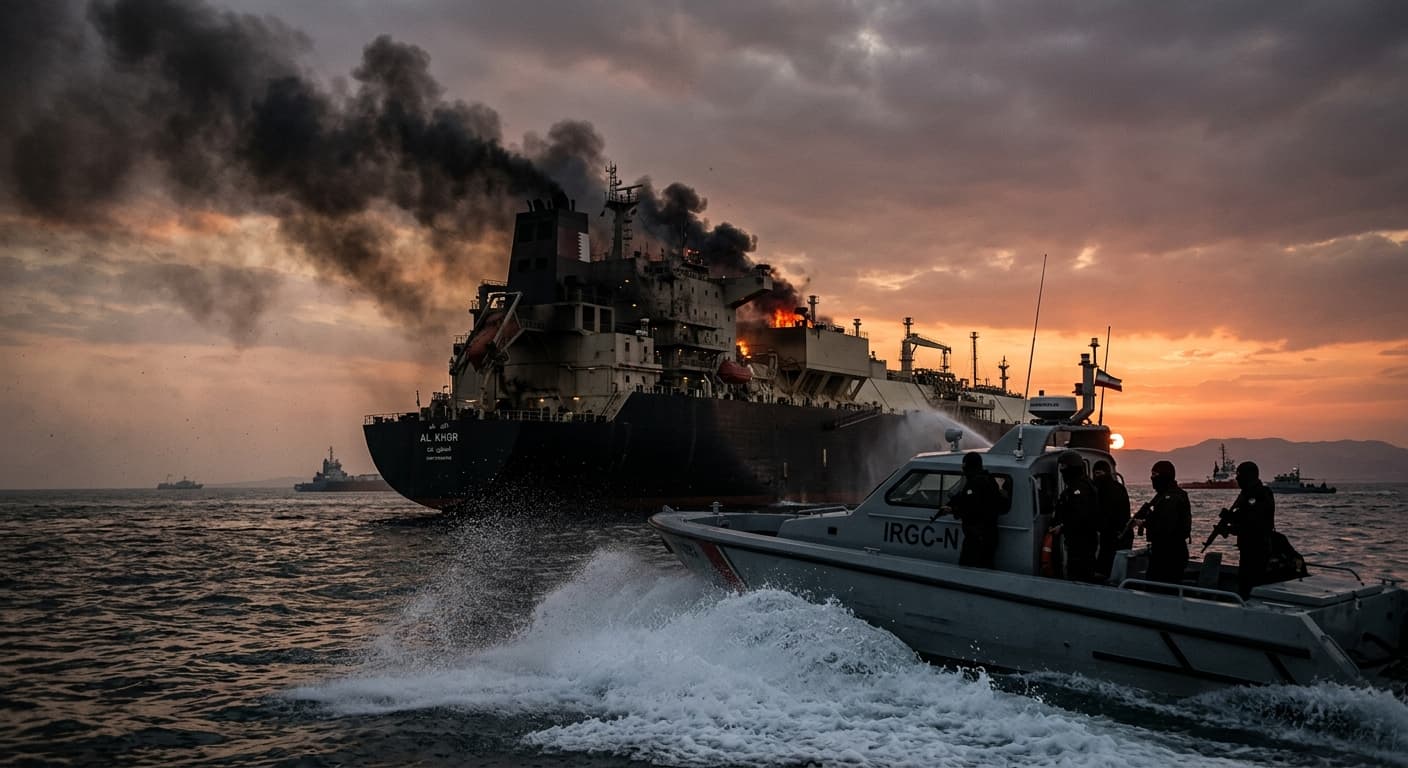
Qatari Tanker Strike Exposes Hormuz Tensions
A Qatari tanker was struck off Oman, revealing the fragility of the Hormuz ceasefire and Iran's influence over maritime security.
Global
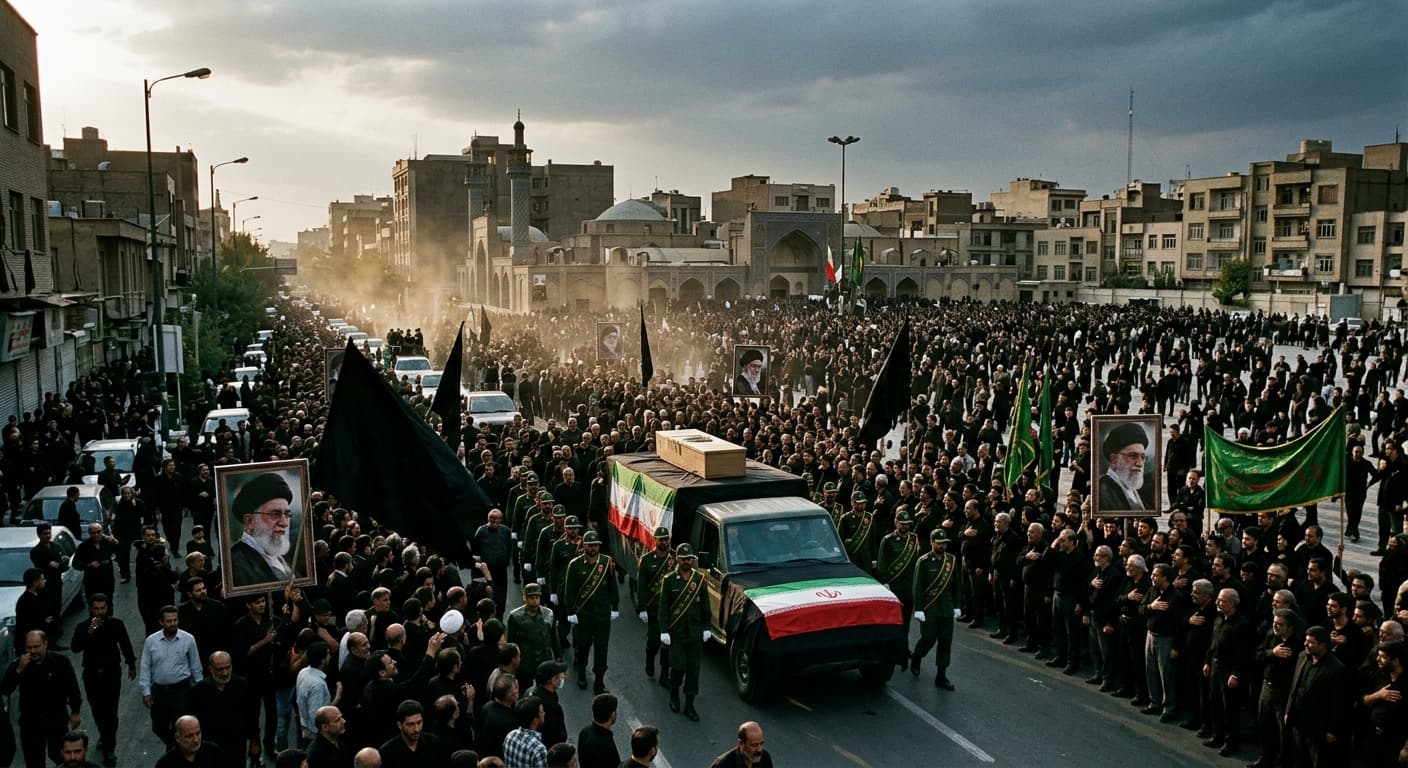
Khamenei's Funeral Signals Iran's Decline
The funeral of Ayatollah Khamenei highlights Iran's diminished influence in the Gulf, with regional powers now dictating terms.
Global
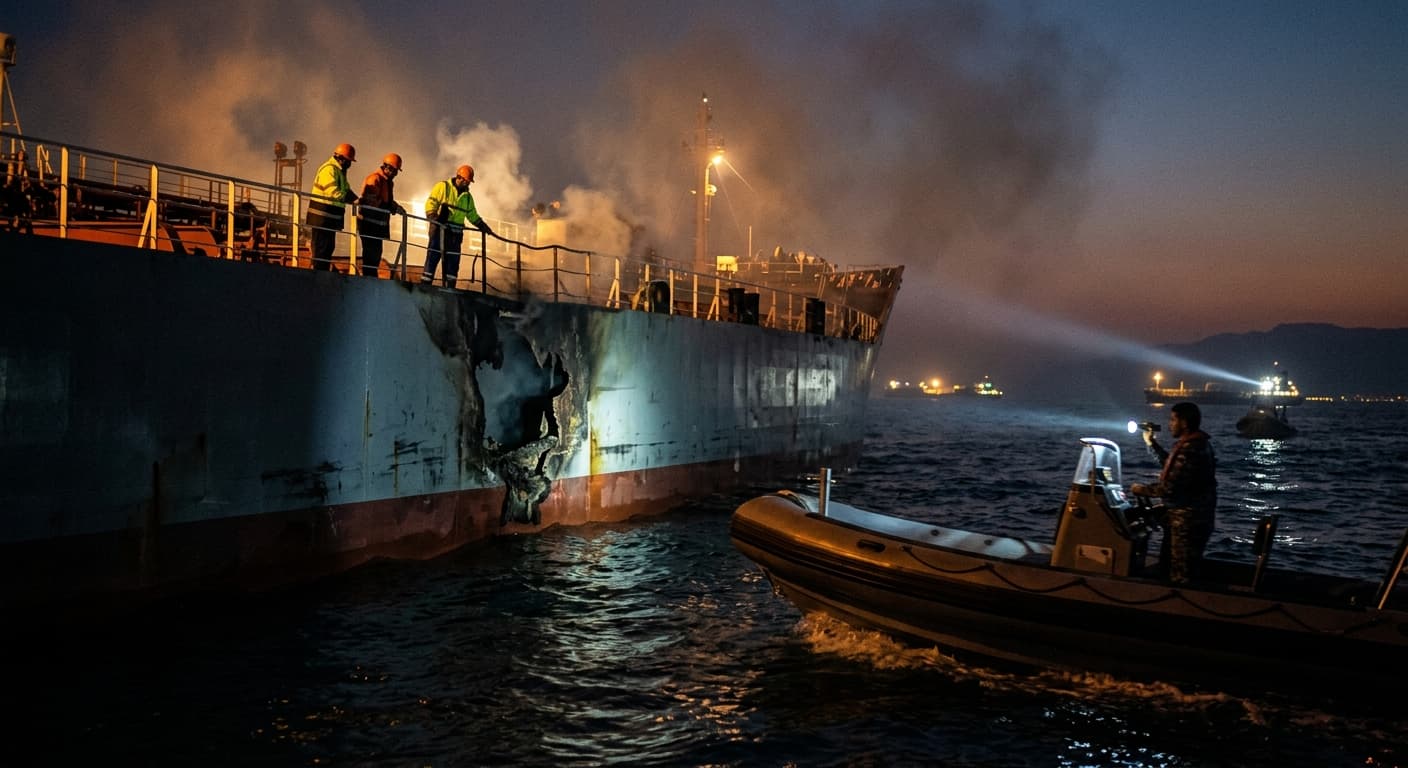
Iran's Hormuz Missile Strikes: A Toll Booth
Iran's missile attack on a Qatari-linked tanker highlights Tehran's strategy to control the Strait of Hormuz, impacting Gulf states and maritime law.

Tech Policy
Iran's Cavern Manticore Targets Israel's IT
Cavern Manticore, an Iran-linked hacking group, targets Israeli IT vendors, prompting a shift in Israel's cybersecurity policy and legislative efforts.