Iran's Guards Use Tankers Against US Pressure
Tehran raises stakes in maritime tensions with the U.S.
Model Diplomat2 min readMiddle East
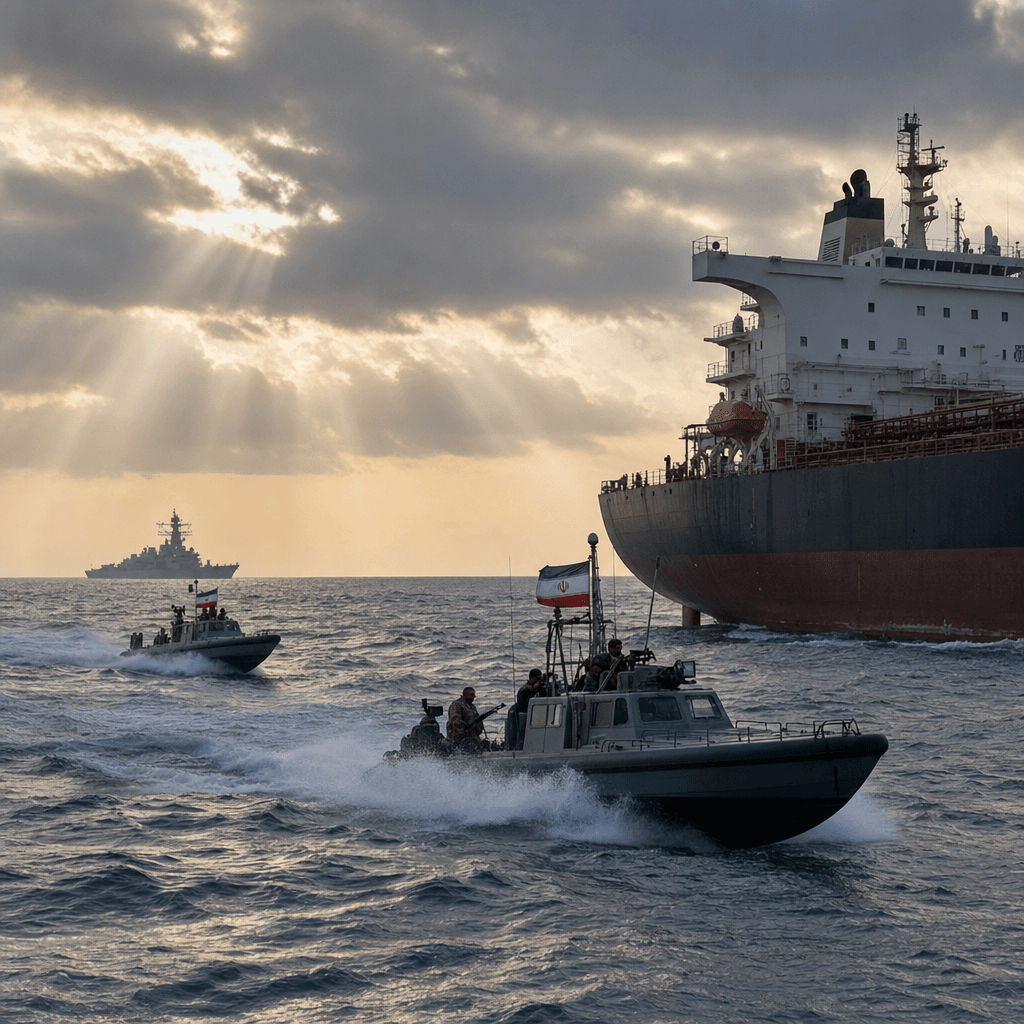
Iran’s Guards Turn Tankers Into a U.S. Pressure Point
Tehran is using maritime threats to raise the cost of U.S. pressure and force Washington back toward a deal on Iranian terms.
The IRGC said any attack on Iranian tankers or commercial vessels would trigger strikes on “one of the American centres in the region” and enemy ships, after a US fighter jet disabled two Iranian-flagged tankers in the Gulf of Oman, according to The Guardian and
Malay Mail. That is not a routine threat; it is a bid to widen the fight from ships to US bases and Gulf infrastructure. Washington was meanwhile waiting for Tehran’s answer to its latest negotiating position, with Trump saying he expected a reply “supposedly tonight” and the proposal being relayed through Pakistani mediators,
New Straits Times reported.
The Strait is the leverage
For Global Politics, this is coercive diplomacy by sea: Iran is turning the Strait of Hormuz into the place where it can extract concessions without firing on the US mainland.
Al Jazeera reported that Tehran has already tightened the rules for passage through a new “Persian Gulf Strait Authority,” while
Reuters documented in March that at least three tankers were damaged in the Gulf as the conflict escalated, one seafarer was killed, and war-risk insurance costs were expected to jump 25% to 50%. The message is simple: even limited force in the water can hit oil flows, premiums and confidence long before a broader battle breaks out.
Who gains from escalation
The immediate beneficiary is the IRGC, which gains relevance by making maritime control part of Iran’s bargaining power, and the hardline camp that can argue pressure, not diplomacy, delivers results. The losers are the shipping companies, insurers and Gulf states sitting under the US security umbrella, because every tanker incident expands the perimeter of risk. New Straits Times noted that Iran has already attacked sites in Qatar during the war, underlining that Tehran is prepared to convert a shipping dispute into a wider warning to US partners. For Washington, the bind is obvious: the more it enforces a blockade on Iranian shipping, the easier it becomes for Tehran to justify threats against American assets, as
Malay Mail and
The Guardian show.
What to watch next
Watch Monday’s shipping and insurance reset, when the market will price whether this is a one-off clash or the start of a new maritime campaign. Also watch Tehran’s formal response to the US proposal, and whether Gulf mediators can keep the truce track alive while the Strait remains a live battlefield. If Iran follows through on its threat, the first test will be whether Washington can protect tankers without broadening the conflict.
Discover more

Global Politics
US Seizes Iranian Ship, Tensions Surge
The US seizure of the Iranian ship Touska highlights a shift in control over the Strait of Hormuz, favoring Iran's strategic position.

Conflict & Security
Drone Warfare Killing Aid Workers at Unprec
Over 1,000 humanitarian workers killed in three years as cheap armed drones collapse legal protections. Gaza, Sudan, Ukraine, and DRC see deliberate targeting of aid convoys and hospitals with zero prosecutions.

Global
World Normalises Taliban as Afghan Women Eras
UN data shows Afghan women erased from public life as Russia recognises the Taliban, EU hosts officials in Brussels, and ICC warrants for gender persecution go unenforced.
Conflict & Security
West Africa Food Crisis: Three Shocks in 2026
Conflict, climate extremes, and the Strait of Hormuz closure drive a severe food crisis in West and Central Africa, with fertilizer prices surging 80% and millions displaced.