Iran's Guard Vetoes Oman Shipping Route
IRGC warns against alternative corridors in Hormuz
Model Diplomat2 min readMiddle East
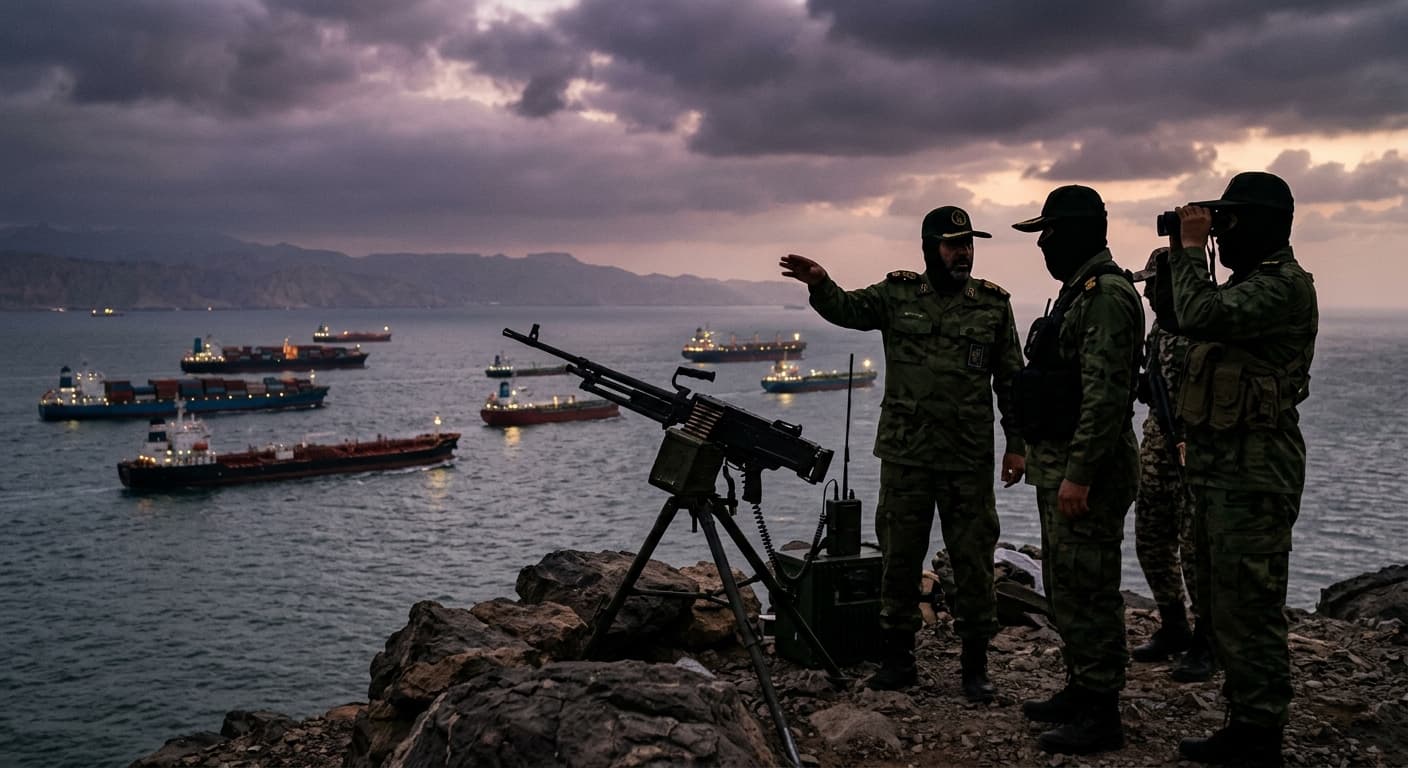
Iran's Guard Vetoes Oman Route as Rubio Courts GCC
IRGC rejects alternative Hormuz corridor on day 118, hardening control claims as peak negotiation window closes
The Iranian Revolutionary Guard Corps issued a stark warning Thursday: any vessel using an alternative shipping corridor through the Strait of Hormuz risks enforcement action. Al Jazeera reports the IRGC Navy rejected a routing released by Oman in coordination with the United Nations' International Maritime Organization, claiming the route was created "without Tehran's consent" and demanding ships use only Iranian-designated corridors.
The move marks Tehran's most explicit assertion of control over the critical waterway since signing a ceasefire memorandum with the U.S. last week—and exposes the fragility of the interim deal even as Secretary of State Marco Rubio is in the Gulf reassuring allies that Washington will defend their interests.
The routing conflict reflects deeper leverage math in the negotiations. Oman, which shares the strait with Iran, has been positioning itself as a neutral facilitator and has backed alternative passages closer to its coast that could bypass Iranian-imposed chokepoints entirely. The International Maritime Organization–endorsed southern corridor was supposed to offer shipper certainty during the 60-day negotiation window.
But Iran sees that as encroachment. The IRGC Navy statement, carried by Press TV, named no specific actor but made clear that only routes it approves carry legitimacy. The BBC reports that Iran's Persian Gulf Strait Authority already published terms on Friday requiring all vessels to obtain permits directly from Tehran—a reimposition of the permit regime that had paralyzed shipping for months during the conflict.
Rubio's 24-hour Gulf tour—hitting the UAE, Kuwait, and Bahrain before addressing the Gulf Cooperation Council Thursday—is partly damage control. Al Jazeera coverage notes he promised the GCC that Washington would "not undermine" regional security and economic interests during negotiations. Yet Rubio has also publicly vetoed any fees Iran collects for transit—a position that contradicts the interim deal's own language, which permits Iran and Oman to "define the future administration" of the strait.
The real deadline here is not the 60-day negotiation window but the durability of Gulf confidence in the ceasefire itself. Qatar and Saudi Arabia held tête-à-tête talks Wednesday to "coordinate easing tensions," according to the Qatari Foreign Ministry—a sign the GCC is preparing contingencies if the talks stall. Council on Foreign Relations analysts have already flagged that a final deal in 60 days is unlikely; a prolonged holding pattern favors Tehran, which can tighten the screws on shipping while formally complying with the no-tolls pledge.
What to watch: Whether the IRGC threat forces ships back to the Iranian-approved northern route (as happened in previous routing disputes), signaling de facto Iranian control even without explicit fees. The next scheduled technical talks resume in Geneva next week. If those foundering, watch for GCC members to quietly negotiate direct arrangements with Iran—each seeking individual carve-outs to secure their own tanker traffic. That fragmentation, not an outright showdown, is how the interim deal actually breaks down.
Discover more

Global Politics
US Seizes Iranian Ship, Tensions Surge
The US seizure of the Iranian ship Touska highlights a shift in control over the Strait of Hormuz, favoring Iran's strategic position.

International Relations
Pakistan's Key Role in US-Israel-Iran Meddle
Pakistan is seeking to mediate the US-Israel-Iran conflict, balancing high-stakes diplomacy against severe economic pressures and steep regional challenges.
Global Politics
Trump's Conflicting Messages on Iran War
Trump's mixed messages on Iran reflect a strategy of audience management, benefiting Tehran amid a complex geopolitical landscape.
Conflict & Security
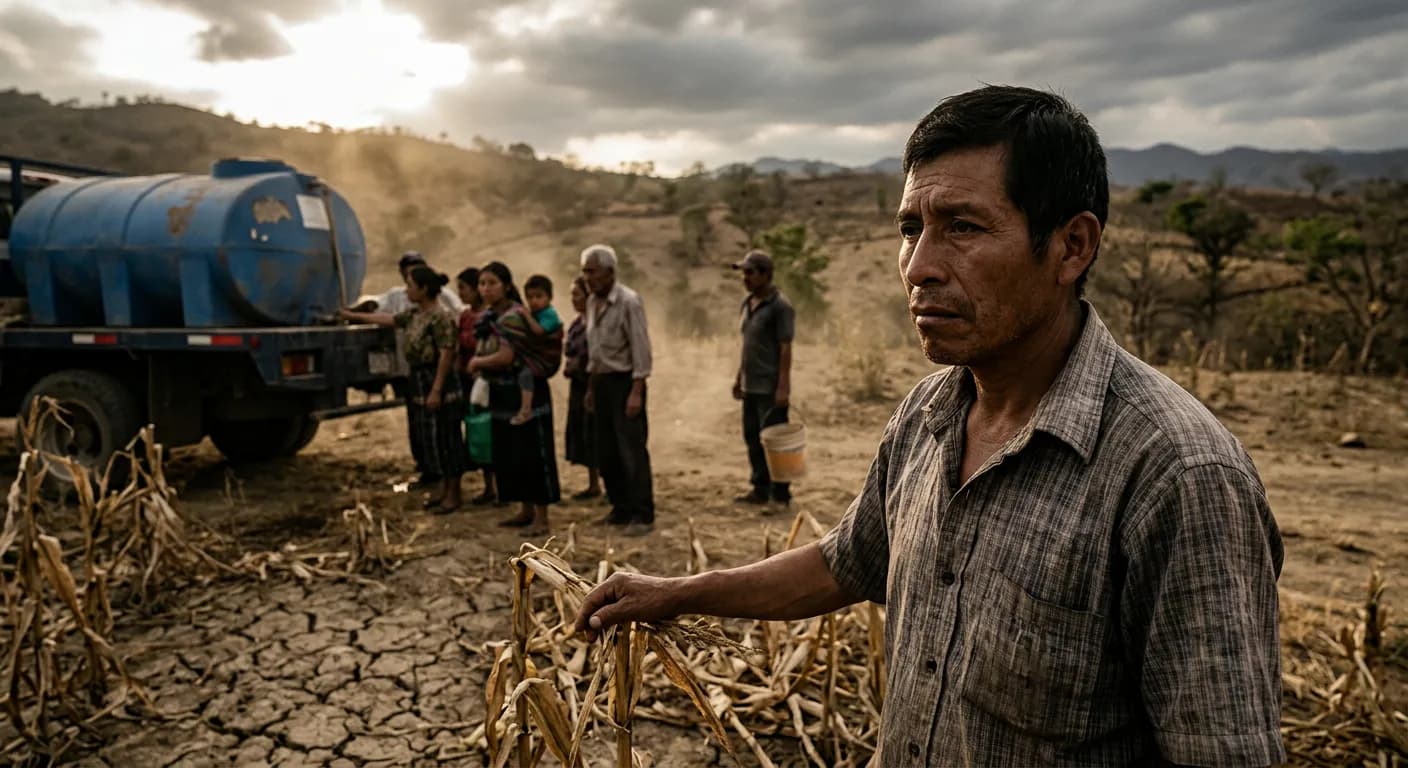
Guatemala: El Niño 2026–27 becomes regional security test
UNICEF: 25.8M children face El Niño risks in Latin America; Guatemala maps 188 municipalities for drought and food insecurity amid regional security test.