Iran's 2026 World Cup Visa Demands Explained
Iran demands visa and security guarantees for World Cup play.
Model Diplomat2 min readMiddle East
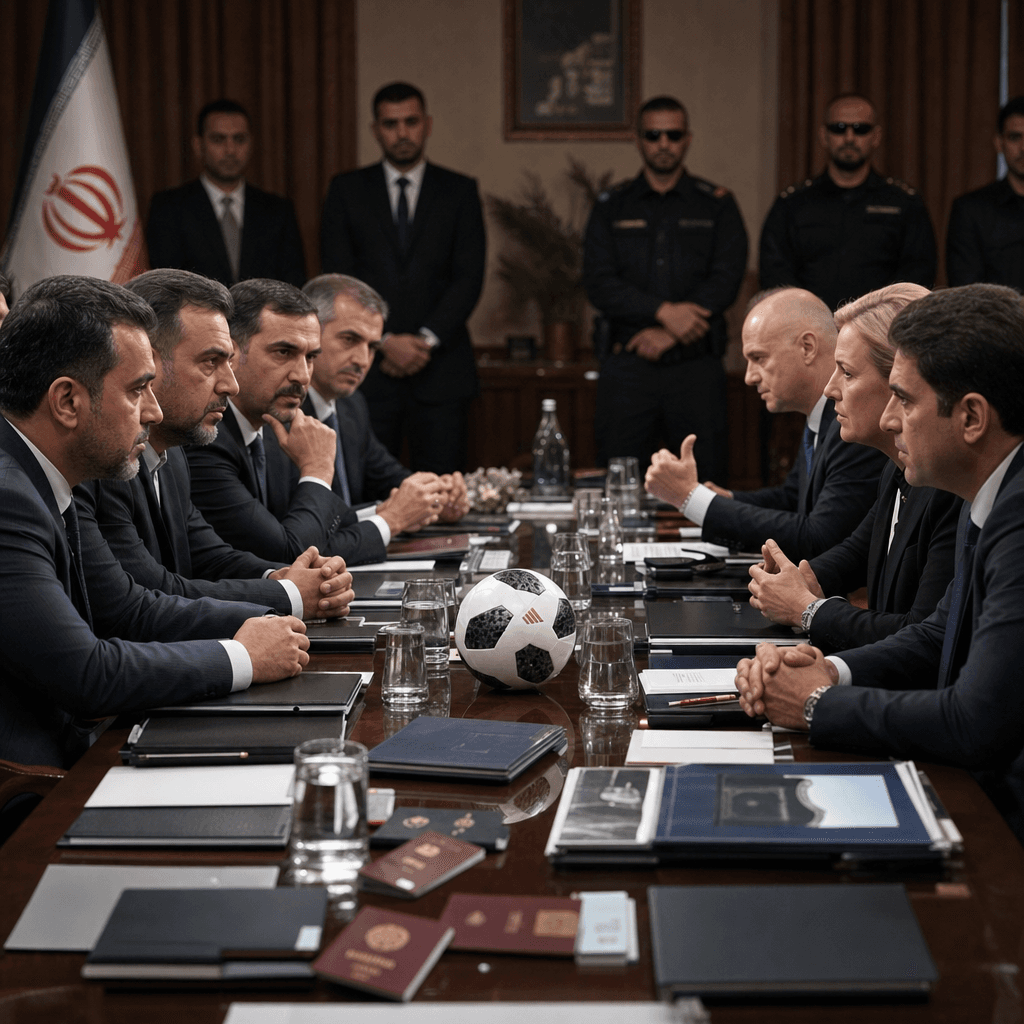
Iran Turns the 2026 World Cup Into a Visa Test for FIFA
Tehran says it will play, but only if the US, Canada and FIFA guarantee visas, security and respect for Iranian symbols.
Iran is not threatening a boycott so much as turning participation into a diplomatic bargaining chip. The Iranian football federation said on Saturday it will play at the 2026 World Cup, but only if the hosts address its “concerns” over visas, security and treatment of its delegation, after Canada refused entry to federation president Mehdi Taj and US officials warned that anyone with ties to the IRGC could be blocked (Al Jazeera,
Reuters).
The leverage fight
The power dynamic is simple: the hosts control the border, not Iran. Iran’s team has qualified on merit and FIFA wants the tournament to proceed on schedule, but the matches are being staged in the United States, with Iran’s group games set for Los Angeles and Seattle. That gives Washington and Ottawa practical leverage over who can enter, even as FIFA tries to keep the sporting side insulated from politics (BBC Sport,
Reuters).
Iran’s federation is using that vulnerability to force an advance settlement. Mehdi Taj has demanded guarantees on visas, airport transfers, hotel security and respect for the Iranian flag and anthem, and he has framed the issue as one of national dignity, not merely travel logistics (Al Jazeera,
BBC Sport). The immediate beneficiary is Tehran’s hard line at home: it can claim it is standing up to the US and Canada while still keeping the team on the field.
Why this matters beyond football
For Global Politics, this is a clean example of how a sports event becomes a sanctions-and-security dispute. The World Cup is supposed to deliver neutral ground; instead, Iran’s case exposes how much control host states retain when political designations — in this case the IRGC — intersect with mass events (
BBC Sport,
Reuters).
The US is also signaling that it will not bend on security screening. Secretary of State Marco Rubio has said Iran’s players are welcome, but that the US may refuse entry to delegation members with IRGC ties, while FIFA president Gianni Infantino has insisted Iran will play its matches in the US as scheduled (Al Jazeera,
BBC Sport). That means the real negotiation is not over the team’s place in the tournament; it is over the composition and treatment of everyone around it.
What to watch next
The next decision point is the meeting in Zurich that FIFA has arranged with the Iranian federation, reported for 20 May by BBC Sport (BBC Sport). If FIFA can extract a workable understanding from the US and Canada on visas and protocol, the issue will fade into logistics. If not, Iran will keep the dispute alive — and the first real test will come before June 15, when it opens against New Zealand in Los Angeles (
Al Jazeera,
Reuters).
Discover more
Global
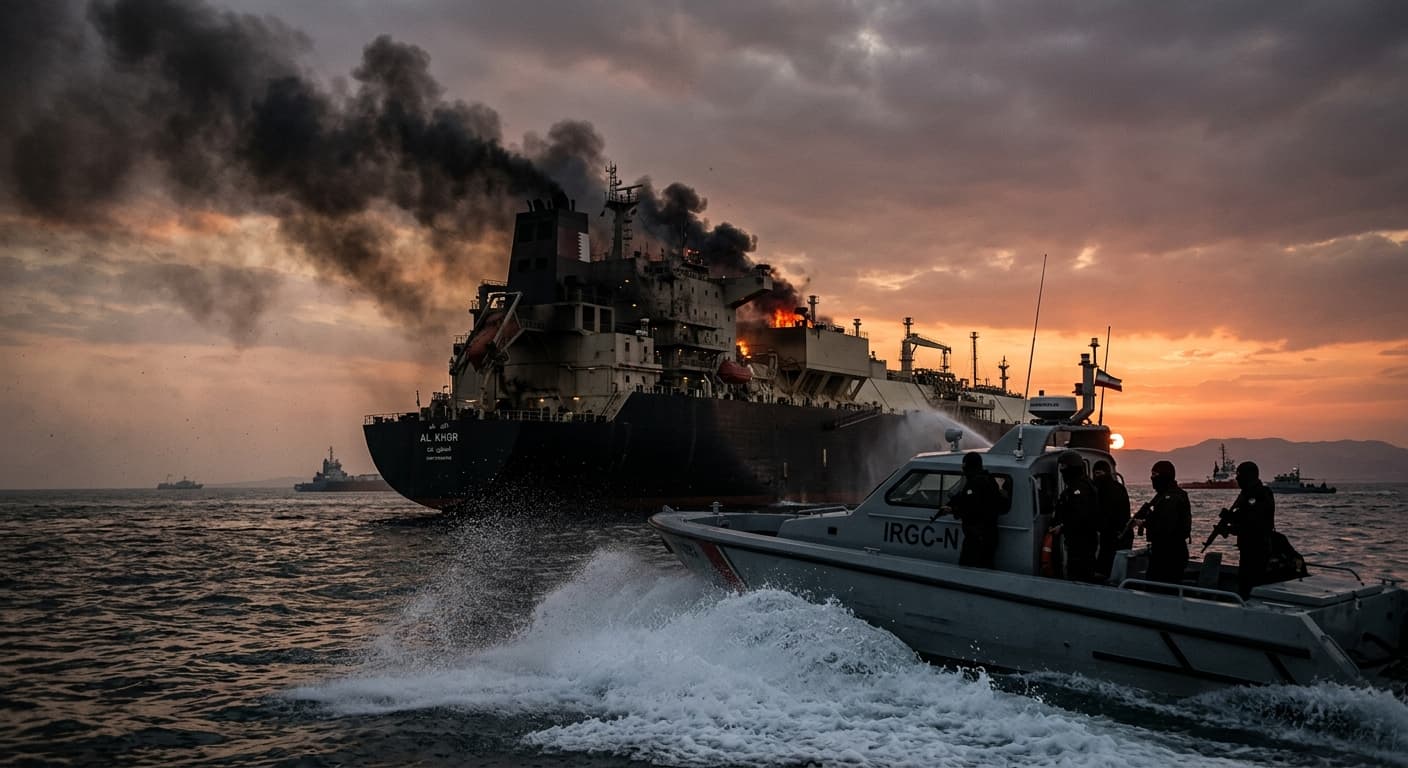
Qatari Tanker Strike Exposes Hormuz Tensions
A Qatari tanker was struck off Oman, revealing the fragility of the Hormuz ceasefire and Iran's influence over maritime security.
Global
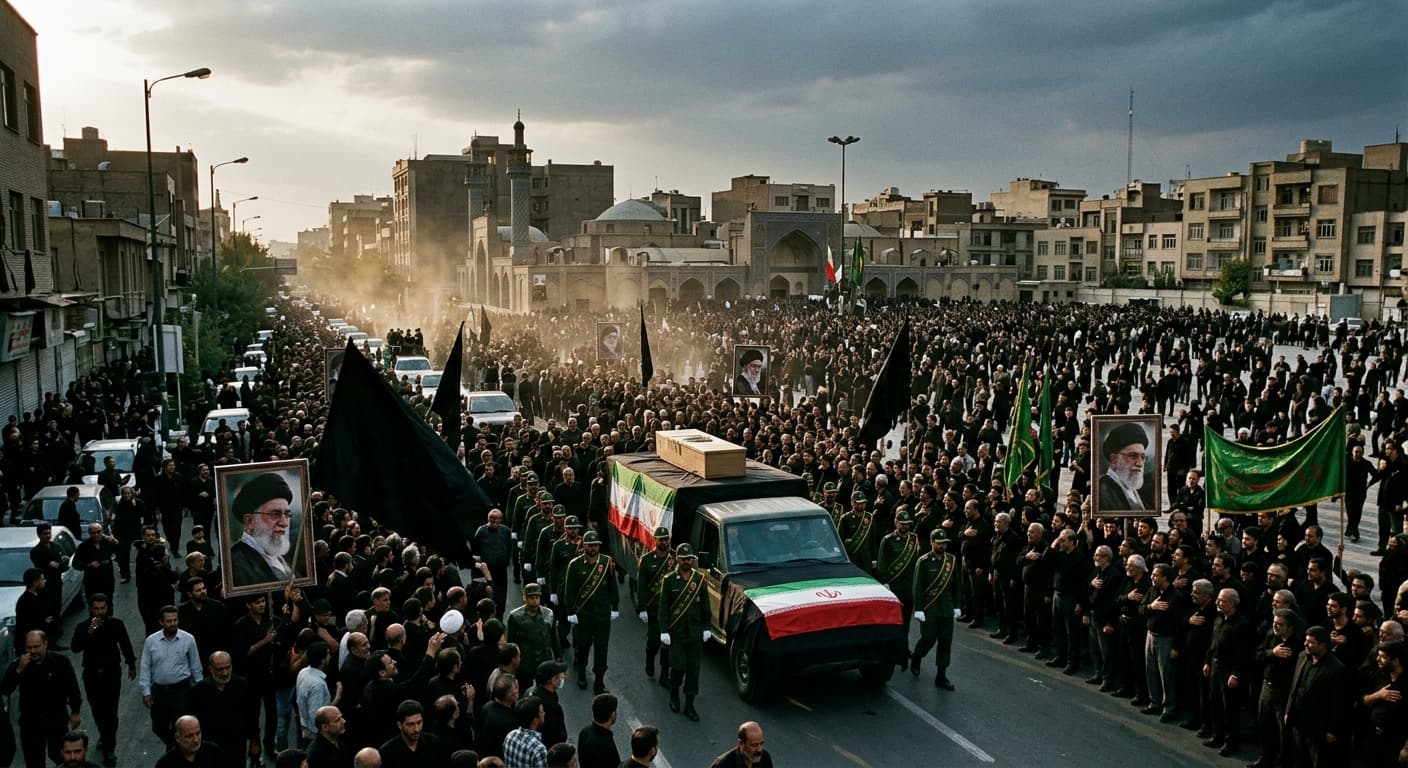
Khamenei's Funeral Signals Iran's Decline
The funeral of Ayatollah Khamenei highlights Iran's diminished influence in the Gulf, with regional powers now dictating terms.
Global
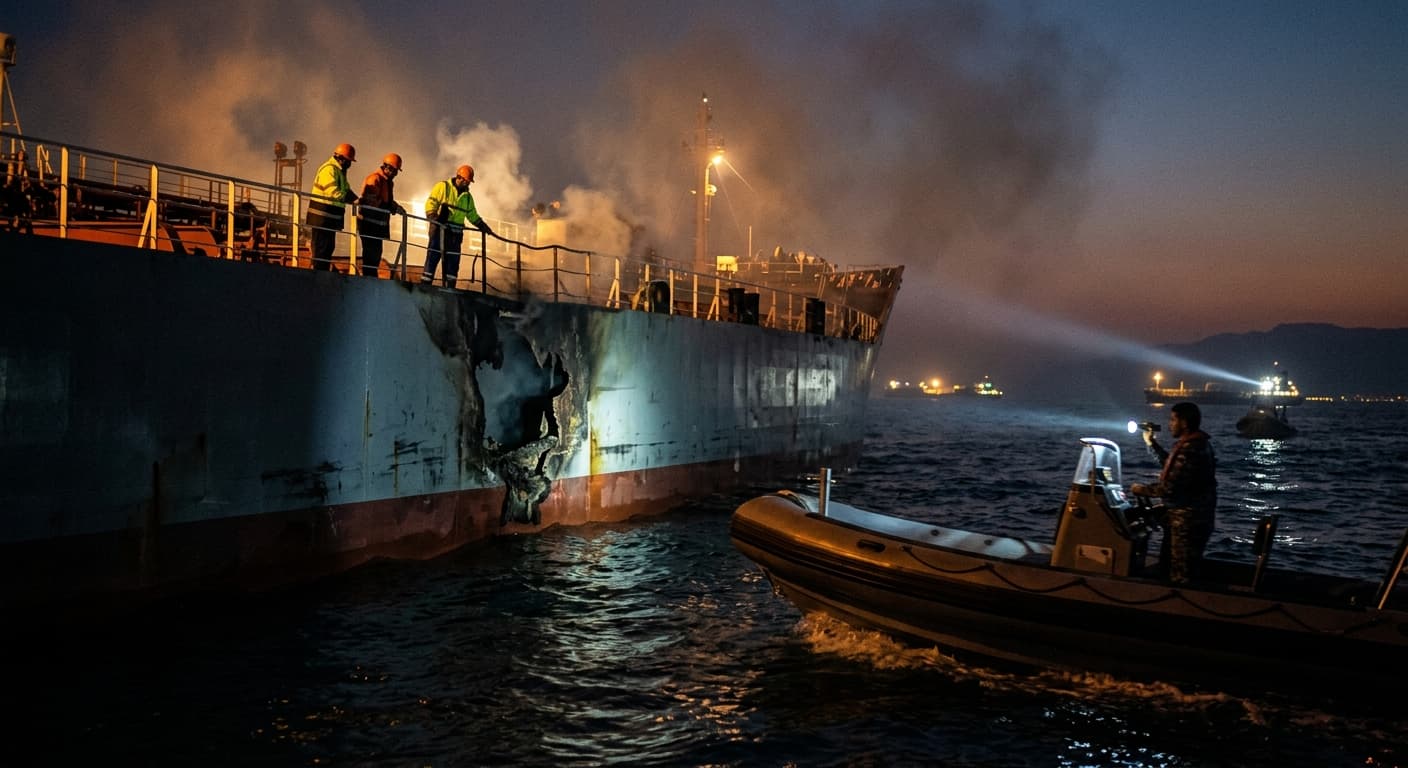
Iran's Hormuz Missile Strikes: A Toll Booth
Iran's missile attack on a Qatari-linked tanker highlights Tehran's strategy to control the Strait of Hormuz, impacting Gulf states and maritime law.
Tech Policy
Iran's Cavern Manticore Targets Israel's IT
Cavern Manticore, an Iran-linked hacking group, targets Israeli IT vendors, prompting a shift in Israel's cybersecurity policy and legislative efforts.