Iran War's Profit Map
Energy shocks favor traders over traditional oil drillers.
Model Diplomat3 min readMiddle East
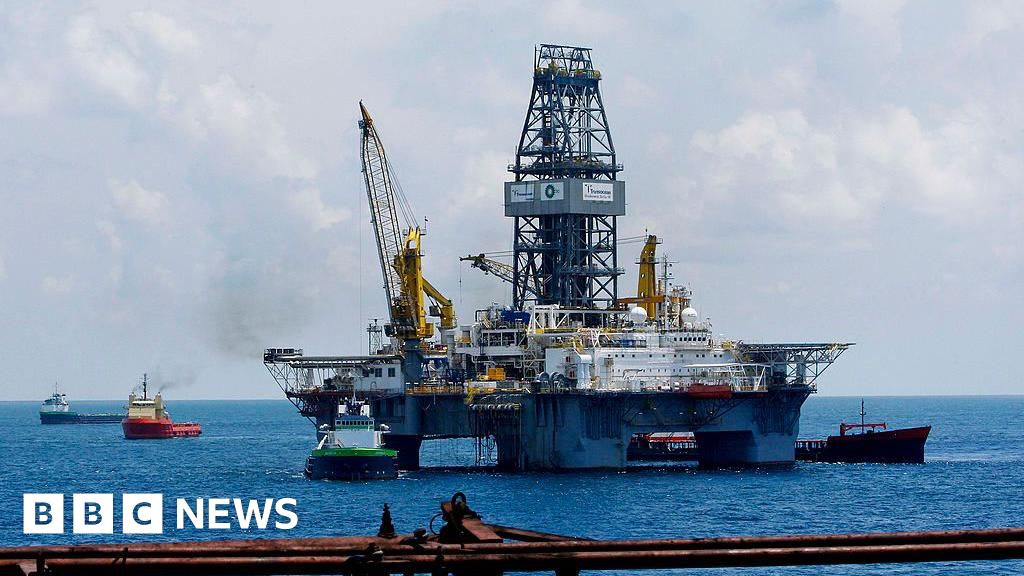
Iran war's profit map favors traders over drillers
Energy shocks are enriching trading desks, banks and defense firms while households pay more; the winners are the firms that can exploit volatility, not the ones exposed to it.
The core power shift in this war is economic, not just military: the companies that can move, hedge and trade around disruption are taking the upside, while everyone who needs stable flows is eating the cost. In the first quarter, Shell posted $6.92bn in profit, BP $3.2bn and TotalEnergies $5.4bn as the Iran war drove oil and gas prices higher and made trading desks more valuable, according to BBC. Reuters says that is the broader pattern: Europe’s oil majors, with large trading arms, have outperformed drillers because they can profit from price swings rather than just from pumping more barrels (
Reuters).
Who is cashing in
The biggest immediate beneficiary is not the headline producer, but the intermediary. The BBC reports that BP’s “exceptional” trading performance helped lift profits sharply, while Shell said volatility in oil and energy markets boosted earnings even as output fell because of Middle East disruption (BBC). Reuters’ framing matters here: companies with trading books can widen the spread between buying and selling prices, and that is where the money is being made (
Reuters).
Banks are the next layer of winners. JPMorgan’s trading arm generated a record $11.6bn in revenue in the first three months of 2026, helping the bank to its second-biggest quarterly profit ever, while the BBC says the “Big Six” US banks together made $47.7bn in first-quarter profits as investors rushed into safer assets and turned over positions faster (BBC). That is a familiar war trade: when risk rises, the institutions that warehouse liquidity get paid twice — once on trading volumes, again on volatility.
Who loses
The losers are visible in the pass-through. The BBC says around a fifth of the world’s oil and gas moves through the Strait of Hormuz, and the conflict has effectively choked that route, lifting fuel and wholesale energy costs worldwide (BBC). That hits consumers first through petrol and utility bills, then businesses through freight and input costs. Maersk told the BBC it was absorbing or passing through roughly $500m in extra monthly costs, a sign that shipping is being squeezed even when vessels are still moving (
BBC).
There is also a political spillover. The profit surge will sharpen demands for windfall taxation, especially in the UK, where the Energy Profits Levy already exists but applies only to domestic extraction — not the bulk of Shell’s or BP’s global earnings (BBC). That asymmetry is why this debate will not stay in the energy sector. It goes straight to fiscal policy and energy security.
What to watch next
The next decision point is whether the Strait of Hormuz reopens cleanly and how fast flows normalize. Reuters warns that even reopening the waterway would not instantly restore oil movements; the system could stay constrained long after the shooting pauses (Reuters). Watch the next set of quarterly results from BP, Shell and the US banks, and watch July’s UK price-cap reset: that is when the war’s gains for corporations will turn into a clearer bill for households.
Discover more

Global Politics
US Seizes Iranian Ship, Tensions Surge
The US seizure of the Iranian ship Touska highlights a shift in control over the Strait of Hormuz, favoring Iran's strategic position.

Conflict & Security
Drone Warfare Killing Aid Workers at Unprec
Over 1,000 humanitarian workers killed in three years as cheap armed drones collapse legal protections. Gaza, Sudan, Ukraine, and DRC see deliberate targeting of aid convoys and hospitals with zero prosecutions.

Global
World Normalises Taliban as Afghan Women Eras
UN data shows Afghan women erased from public life as Russia recognises the Taliban, EU hosts officials in Brussels, and ICC warrants for gender persecution go unenforced.
Conflict & Security
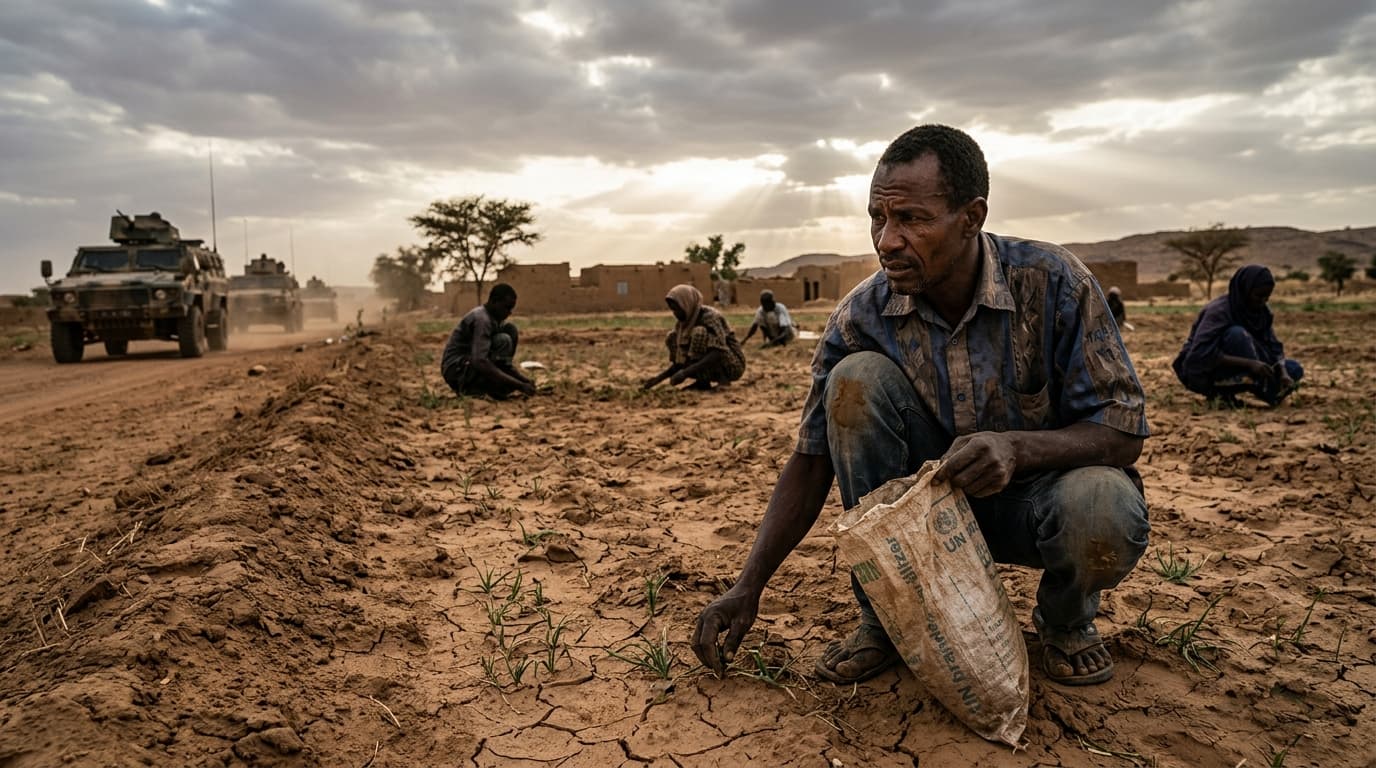
West Africa Food Crisis: Three Shocks in 2026
Conflict, climate extremes, and the Strait of Hormuz closure drive a severe food crisis in West and Central Africa, with fertilizer prices surging 80% and millions displaced.