Iran Demands End to Hormuz Blockade Now
Iran demands the blockade's end as U.S. talks stall.
Model Diplomat2 min readMiddle East

Iran Calls for Lifting Strait of Hormuz Blockade Amid Rising Tensions
Iran demands an end to the shipping blockade in the Strait of Hormuz as high-level U.S. talks continue without concessions, raising risks for global energy security.
Iran has called for an immediate lifting of the blockade in the Strait of Hormuz, the critical maritime chokepoint through which about 20% of the world’s oil supply passes. Shipping in the strait has all but halted, intensifying global concerns over energy markets and regional stability. Meanwhile, high-level talks between Iran and the United States are ongoing but have yet to produce any breakthrough. The standoff is unfolding amid hardening U.S. and Israeli threats to target Iranian infrastructure if the strait remains closed.
Why the Strait of Hormuz Blockade Matters
The Strait of Hormuz is the world's most strategically important oil transit route, connecting Persian Gulf producers with international markets. Iran’s efforts to disrupt traffic—and the U.S. demand for its reopening—have historic echoes of past crises, notably the 1980–88 Iran-Iraq War and the 2019 tanker confrontations. Over 40 nations, convened recently by the UK, are pressing for diplomatic solutions to reopen the waterway, warning of global economic fallout if the blockade persists. The disruption threatens to drive up energy prices worldwide, exacerbate fuel shortages, and unsettle markets already grappling with inflation.
The U.S., led by President Trump, has set a hard deadline for Iran to reopen the strait, threatening strikes on Iranian energy infrastructure if demands are unmet. Israel appears coordinated in these pressures, signaling readiness to strike key Iranian energy assets in the coming week, pending U.S. approval. Tehran, however, insists it will not yield to coercive demands, rejecting terms linked to U.S. ultimatums, even as it remains open to mediation efforts via Pakistan. The region is further destabilized by ongoing airstrikes and retaliatory missile strikes that have killed thousands, signaling a dangerous escalation beyond a temporary blockade.
What to Watch Next
The coming days are critical. The U.S.–Iran talks, though ongoing, have yet to show signs of movement—raising the odds of military action in a region with one of the globe’s most crowded conflict theaters. Whether diplomatic pressure from the international coalition including the UK, France, and other key powers can sway Tehran remains uncertain, especially as Iran links the strait dispute to broader regional grievances and survival. The anticipated next steps include potential international sanctions and coordinated maritime security operations to protect shipping through the strait.
A missing U.S. crew member from a downed warplane adds another layer of urgency and risk to U.S.–Iran military engagements. Failure to resolve the blockade peacefully could spur a rapid escalation affecting shipping lanes, energy markets, and regional alliances, underscoring how tightly the Strait of Hormuz remains at the center of global geopolitical fault lines.
For ongoing updates on this crisis and related developments in global politics, stay tuned.
Sources:
Reuters on Iran Strait of Hormuz Deadline
NPR on UK-led International Diplomatic Effort
Reuters on US-Israel Pressure and Military Risks
Discover more
Global
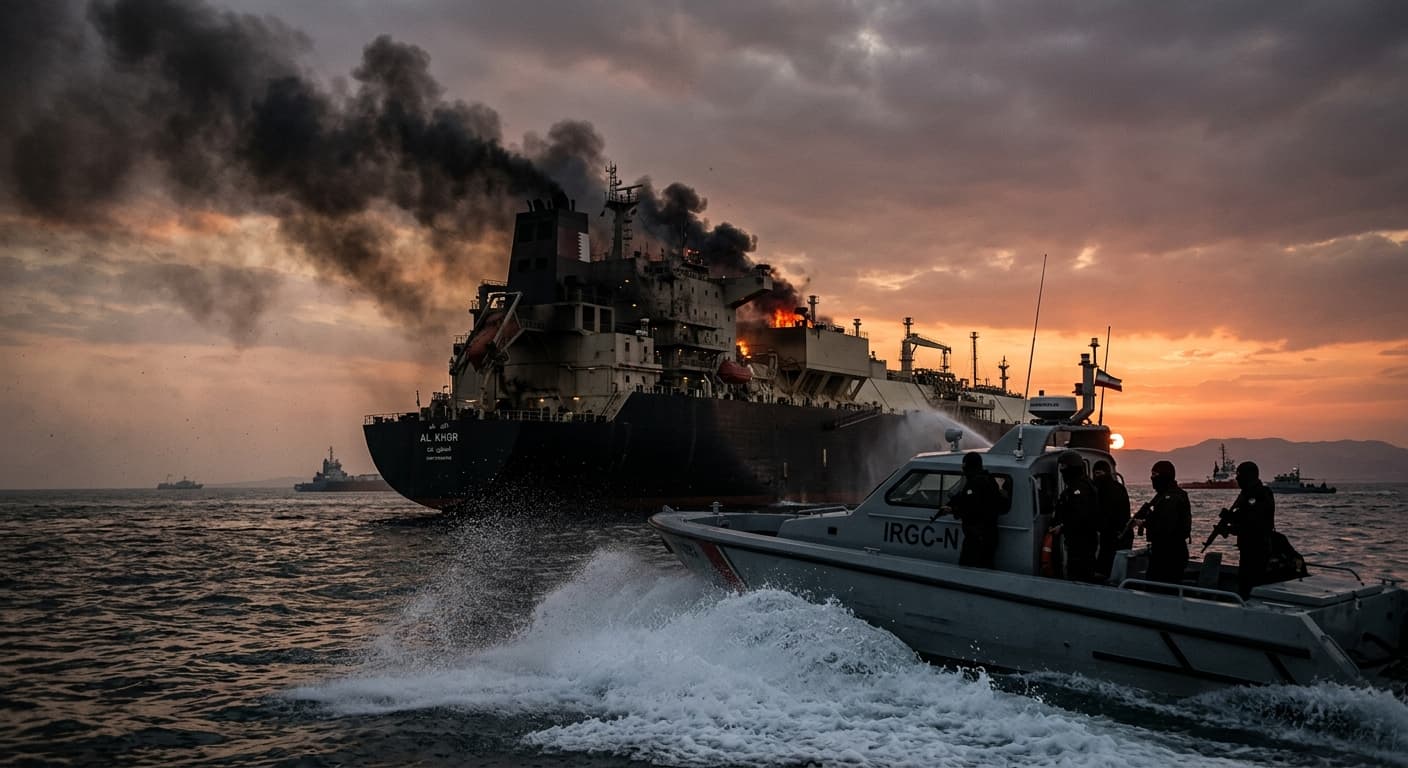
Qatari Tanker Strike Exposes Hormuz Tensions
A Qatari tanker was struck off Oman, revealing the fragility of the Hormuz ceasefire and Iran's influence over maritime security.
Global
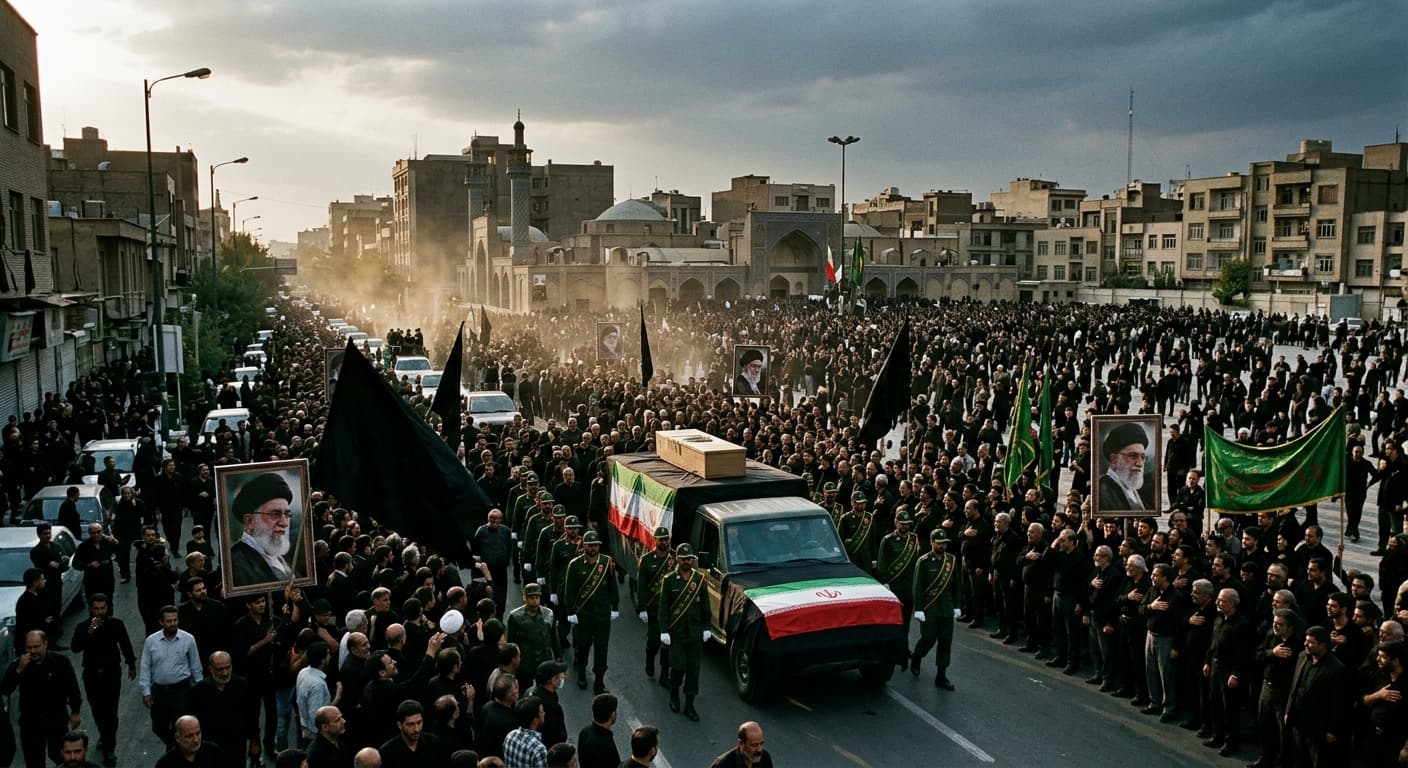
Khamenei's Funeral Signals Iran's Decline
The funeral of Ayatollah Khamenei highlights Iran's diminished influence in the Gulf, with regional powers now dictating terms.
Global
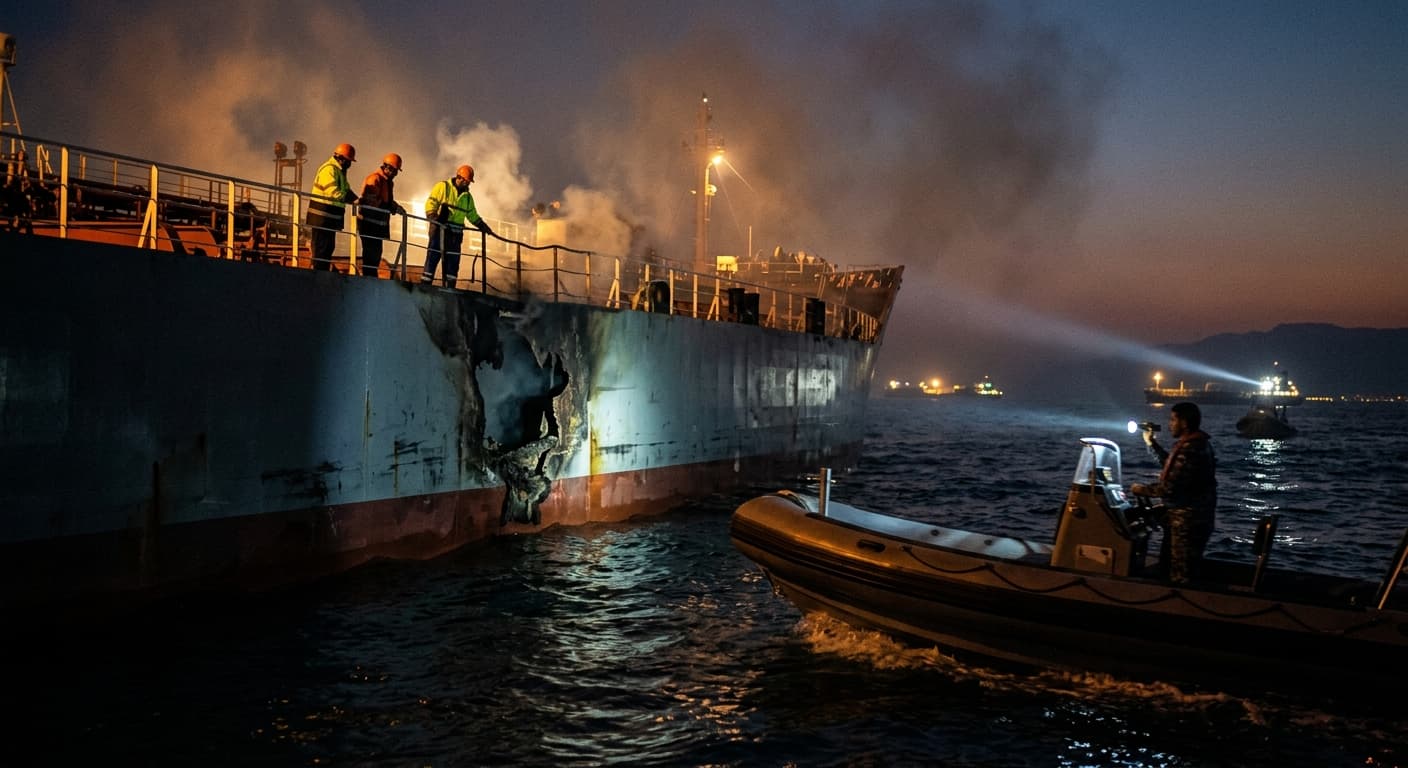
Iran's Hormuz Missile Strikes: A Toll Booth
Iran's missile attack on a Qatari-linked tanker highlights Tehran's strategy to control the Strait of Hormuz, impacting Gulf states and maritime law.

Tech Policy
Iran's Cavern Manticore Targets Israel's IT
Cavern Manticore, an Iran-linked hacking group, targets Israeli IT vendors, prompting a shift in Israel's cybersecurity policy and legislative efforts.