Iran’s World Cup Visa Standoff Puts US in a D
Iran's football team heads to Mexico amid visa delays.
Model Diplomat3 min readNorth America
Iran’s World Cup Visa Standoff Puts Washington in a Bind
As Iran's football team departs for Mexico without US visas, Washington must balance national security and FIFA's strict hosting rules.
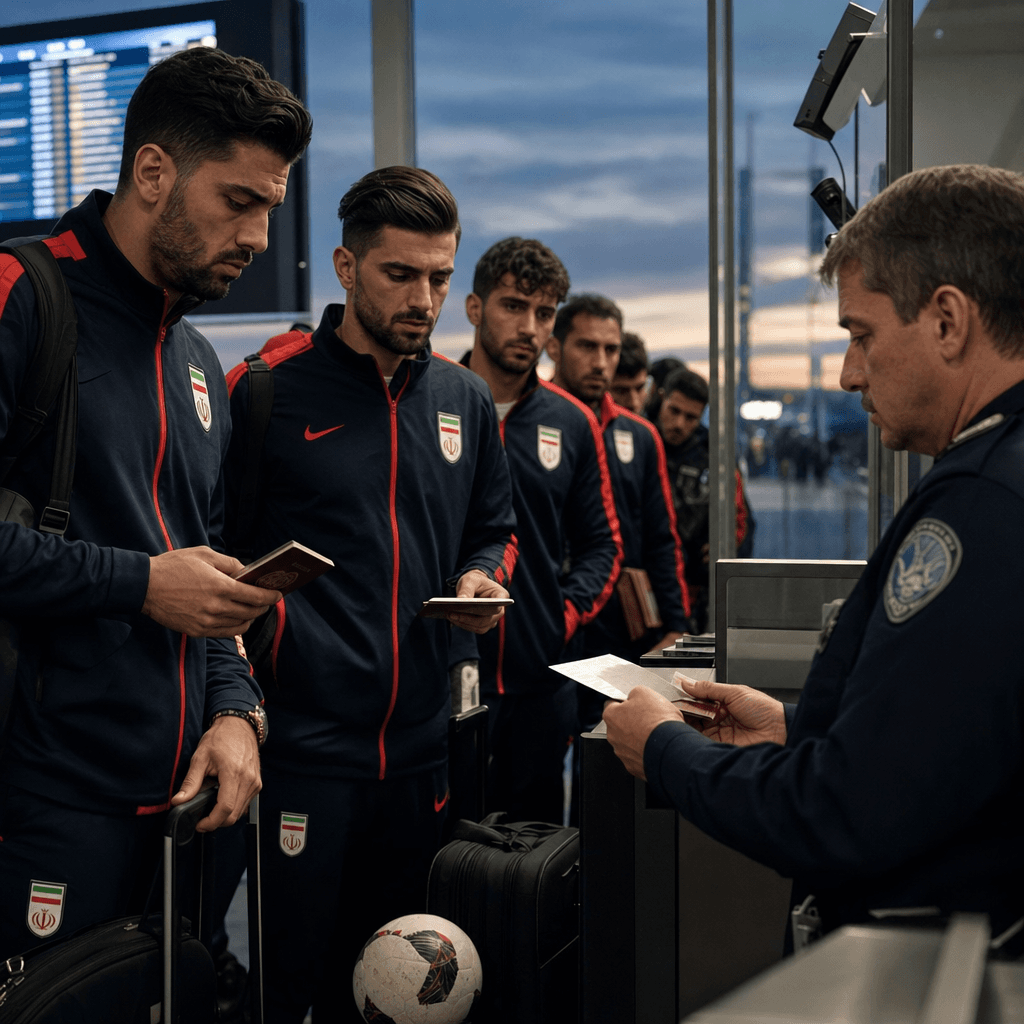
On June 6, Iran’s national football squad will depart Turkey for its World Cup base camp in Tijuana, Mexico, despite not yet holding the U.S. visas required to play its group-stage matches, as reported by Al Jazeera. The team’s departure marks a calculated risk by Tehran to force the hand of the United States, which is co-hosting the 2026 FIFA World Cup alongside Canada and Mexico. By moving their base camp from Tucson, Arizona, to Tijuana, the Iranian Football Federation (FFIRI) has positioned its squad on the border's edge, daring the U.S. State Department to deny entry to a playing delegation under the gaze of a global audience.
The Geopolitical Squeeze on FIFA
The administrative friction is a direct consequence of the brief military conflict between the U.S., Israel, and Iran earlier this year, which was halted by an April 8 ceasefire. Since then, Washington has maintained a hard line on security clearance. Because many Iranian athletes and staff have completed mandatory military service within the Islamic Revolutionary Guard Corps (IRGC)—which the U.S. designates as a foreign terrorist organization—visa processing has ground to a halt.
This has put the U.S. government on a collision course with football's governing body. Under FIFA regulations, host nations must guarantee entry to all qualified squads. If Washington systematically blocks parts of the Iranian delegation, it risks violating its hosting agreements, setting a precedent that could threaten future tournament bids, especially in Global Politics where sports diplomacy is a key leverage tool. According to
BBC Sport, FIFA President Gianni Infantino has already had to assert that "of course, Iran will play in the United States," putting quiet pressure on Washington to find an administrative workaround.
Rubio’s Red Line vs. Sports Diplomacy
United States Secretary of State Marco Rubio clarified the U.S. position to lawmakers on June 2, stating that while the U.S. had "no problem" with genuine athletes and athletic support staff entering, Washington will strictly bar any individuals with active links to the IRGC attempting to "embed" themselves in the delegation, as reported by Reuters. This targeted vetting presents a massive logistical hurdle. Delays have already disrupted Iran's preparation; their federation chief, Mehdi Taj, complained of canceled warm-up matches and severe financial difficulties driven by the depreciation of the rial, as detailed by Egypt's
Ahram Online.
By using Tijuana as a staging ground, Iran gains significant tactical leverage. The team is now located just a short flight or bus ride from Los Angeles, where they are scheduled to play New Zealand on June 15 and Belgium on June 21, before facing Egypt in Seattle on June 26. This geographical proximity ensures that any last-minute visa denial by the United States will trigger an immediate, highly publicized border crisis.
What to Watch Next
The immediate decision point is June 11, the opening day of the tournament. Before then, the State Department must finalize visa decisions for the active roster and immediate coaching staff. Analysts should watch whether the U.S. issues restrictive, single-entry visas rather than the multiple-entry permits requested by the Iranian delegation, a compromise that would force players to undergo intensive security checks each time they cross the border from their Mexican base. Additionally, keep an eye on federal actions regarding Mehdi Taj himself. After being turned away at the Canadian border in April due to IRGC links, any U.S. move to deny entry to the federation's chief executive will test FIFA’s willingness to penalize a host government.
Discover more
Global
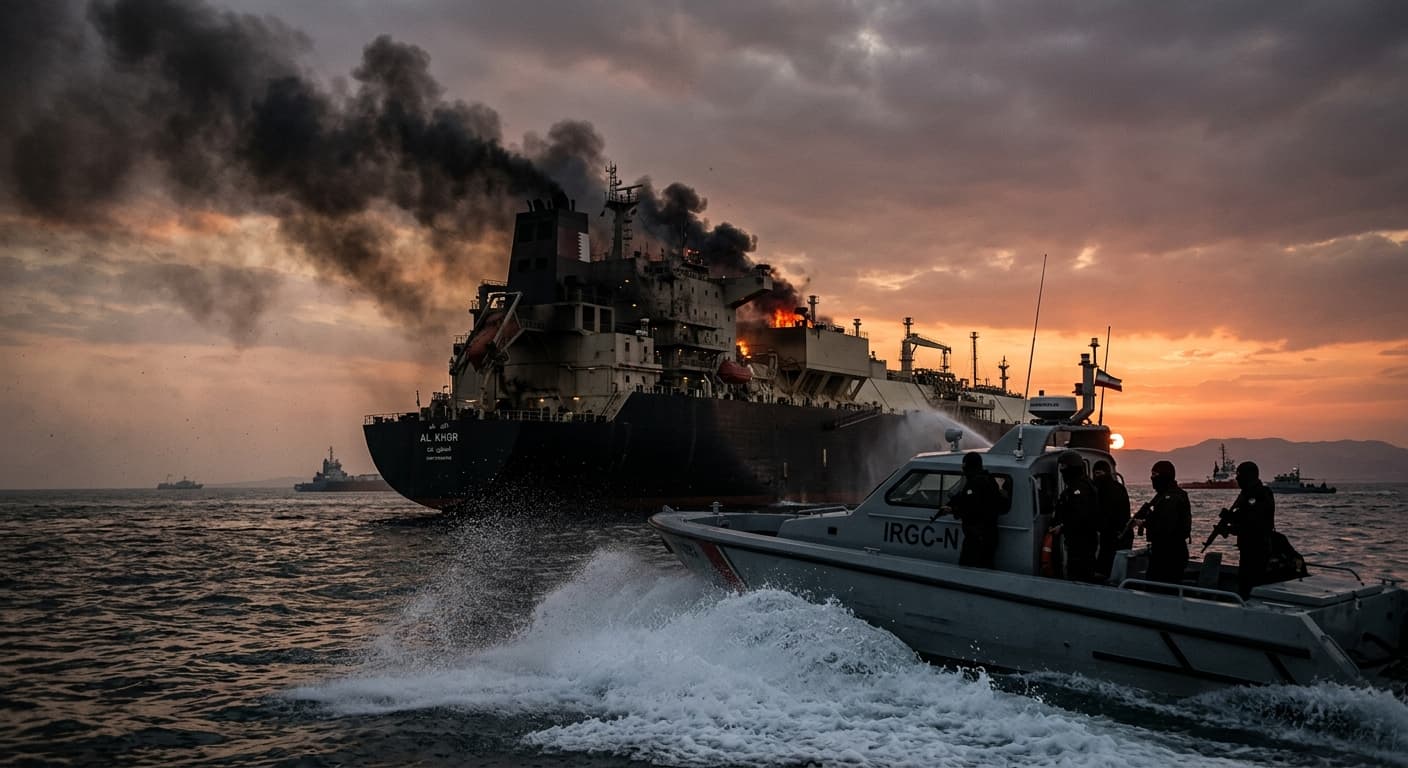
Qatari Tanker Strike Exposes Hormuz Tensions
A Qatari tanker was struck off Oman, revealing the fragility of the Hormuz ceasefire and Iran's influence over maritime security.
Global
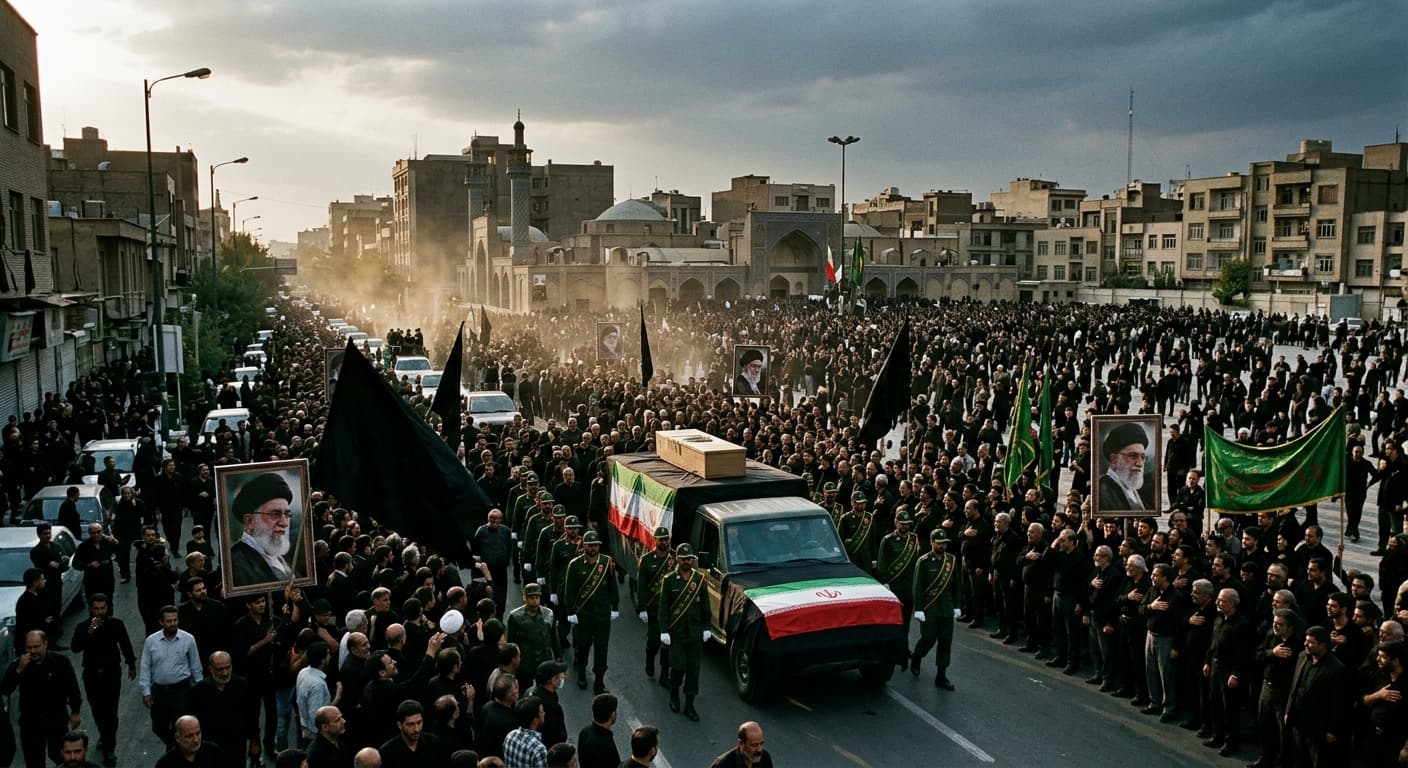
Khamenei's Funeral Signals Iran's Decline
The funeral of Ayatollah Khamenei highlights Iran's diminished influence in the Gulf, with regional powers now dictating terms.
Global
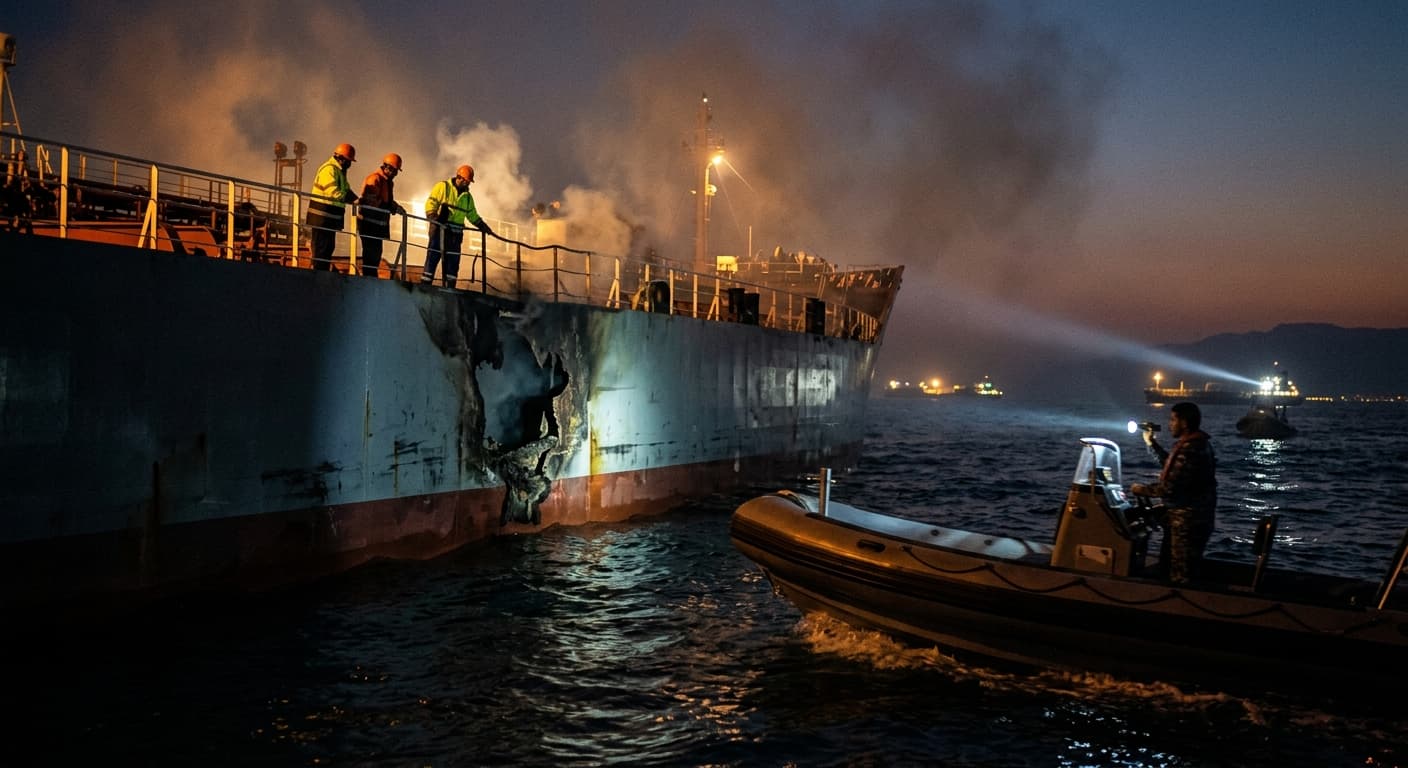
Iran's Hormuz Missile Strikes: A Toll Booth
Iran's missile attack on a Qatari-linked tanker highlights Tehran's strategy to control the Strait of Hormuz, impacting Gulf states and maritime law.
Tech Policy
Iran's Cavern Manticore Targets Israel's IT
Cavern Manticore, an Iran-linked hacking group, targets Israeli IT vendors, prompting a shift in Israel's cybersecurity policy and legislative efforts.