Capture and Collapse: The SNP's Self-Inflicted Financial Ruin
Detailed disclosures of Peter Murrell’s systematic embezzlement leave the SNP leadership politically exposed as unionist opponents demand a public inquiry.
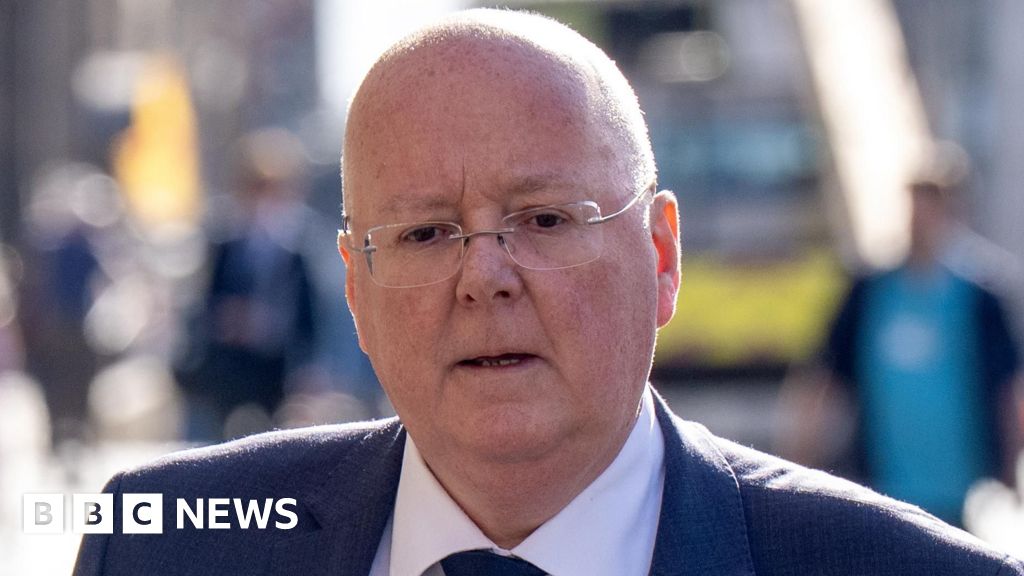
The forensic details of Peter Murrell’s twelve-year embezzlement scheme reveal not just personal greed, but the total capture of the Scottish National Party’s (SNP) administrative machinery. On June 2, 2026, prosecutors in Edinburgh detailed how the party’s former chief executive systematically extracted £400,310.65 from party coffers between 2010 and 2022 ( The National). Murrell weaponized his absolute administrative control to bypass internal audits, using fake invoices and misleading accounting codes to disguise personal luxury purchases—ranging from a £124,550 motorhome to a robotic lawnmower—as routine party expenses (
 The Irish News). This calculated evasion of oversight has left the governing party of Scotland facing its deepest institutional crisis in decades, shifting the balance of
  global politics in devolved Britain.
The financial mechanics of the fraud highlight a profound institutional vulnerability. Murrell avoided the SNP’s mandatory electronic expenses portal by claiming he was technically unable to access it, effectively granting himself unilateral approval over his own claims (The Irish News). This operational bypass succeeded because no one in the party hierarchy possessed the leverage to challenge the husband of the First Minister. The resulting lack of oversight allowed him to file direct bank transfers and exploit staff charge cards, exposing how deeply centralized authority within the SNP had gutted basic financial checks and balances ( BBC News).
Winners and Losers of the Fallout
The political beneficiaries of this institutional collapse are unambiguous. Scottish Labour and the Scottish Conservatives are rapidly capitalizing on the disclosures to frame the SNP’s governance as inherently secretive and corrupt. By calling for a joint Westminster-Holyrood public inquiry, unionist leaders—supported by figures like former Labour First Minister Lord Jack McConnell—aim to keep the scandal in the headlines and force current First Minister John Swinney into a defensive, unpopular posture as he resists such calls (The National).
Conversely, the SNP’s leadership is completely back-footed. Swinney’s rejection of a public inquiry, on the grounds that the criminal prosecution suffices, leaves him looking defensive rather than reformist (The National). Meanwhile, former First Minister Nicola Sturgeon is fighting to insulate her political legacy, claiming she was "completely exonerated" by the police investigation while simultaneously admitting she was deeply "deceived, misled and betrayed" (The National). For the pro-independence movement, this scandal represents an existential blow to their primary argument of superior governance compared to Westminster, exposing the SNP as highly vulnerable within the broader theater of international statecraft.
What to Watch Next
The next critical pivot is June 23, 2026, when Lord Young will sentence Murrell at the High Court in Edinburgh (BBC News). Beyond the length of his prison term, policymakers should closely monitor whether the Crown proceeds with confiscation orders under proceeds of crime legislation (BBC News). With Murrell’s defense claiming he possesses sufficient frozen assets to repay the full £400,310.65, a swift recovery of funds could mitigate the SNP's immediate financial distress (The Irish News). However, the political damage will remain unliquidated unless Swinney yields to mounting cross-party pressure for an independent financial audit.