Iran's Tanker Threat Amid Israel-Lebanon Stri
Tehran uses Hormuz as leverage amid Israeli strikes in Lebanon.
Model Diplomat3 min readMiddle East
Iran Threatens Tanker War as Israel Hits Lebanon Hard
Tehran is trying to turn Hormuz into leverage while Israel keeps Lebanon under fire, squeezing U.S. diplomacy on two fronts.
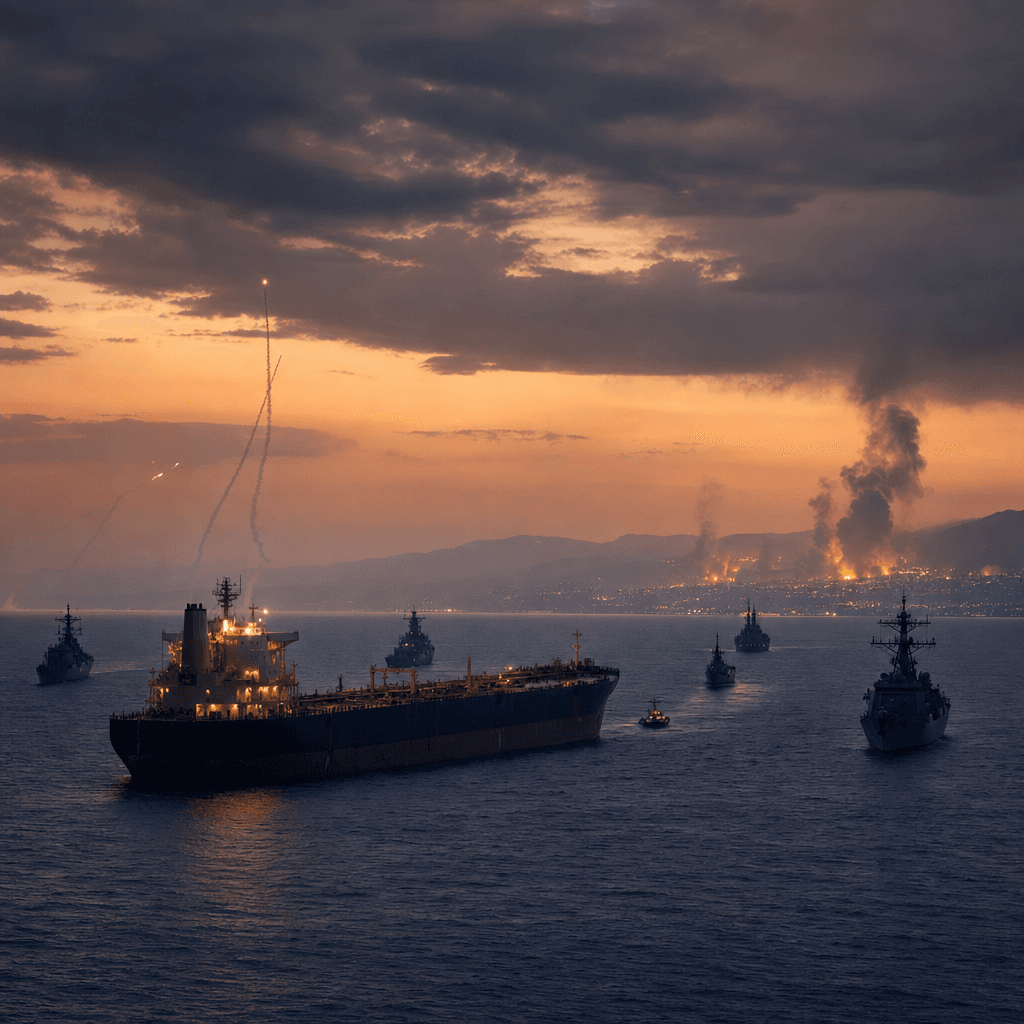
Iran’s Revolutionary Guard is drawing a red line around the sea lanes: any attack on Iranian tankers or commercial vessels will bring a “heavy attack” on U.S. targets in the region, the IRGC warned, as Israel’s bombing in Lebanon killed at least 24 people on Saturday, Al Jazeera reported;
Al-Monitor carried the same warning. The message is aimed squarely at Washington: keep your hands off Iranian shipping, or pay somewhere else.
Hormuz is the leverage point
This is the core Global Politics problem in miniature. Iran does not need to defeat the U.S. Navy to matter; it only needs to make the Strait of Hormuz costly enough that insurers, shippers and regional governments start pressing Washington to back off. That is why the U.S. strike on two Iranian tankers matters more than the ships themselves:
NPR reported that American forces disabled the tankers after an exchange of fire in the strait, part of a broader effort to reopen the waterway and keep pressure on Tehran. Once that precedent is set, every tanker becomes a political test.
The market logic cuts both ways. Iran wants to signal that it can disrupt a chokepoint that carries global energy flows; the U.S. wants to show that it can keep shipping moving without conceding control. Britain’s decision to send a destroyer to the region, described by France 24 as “prudent planning,” shows how quickly this becomes an allied security issue, not just a bilateral fight. For Washington, this is also a
United States test of whether maritime coercion can force Tehran back toward terms it dislikes.
Lebanon is the second pressure point
Israel’s strikes in Lebanon are doing their own strategic work. By keeping the northern front hot, Jerusalem preserves pressure on Hezbollah and complicates any Iranian effort to package the region as a single bargaining table. Al Jazeera said the latest Israeli attacks killed at least 24 people;
France 24 reported fresh strikes south of Beirut and said Lebanon and Israel are due to hold direct negotiations in Washington next week, which Hezbollah opposes.
That timing matters. Israel benefits from keeping Hezbollah off balance before any talks harden into a diplomatic track that could freeze the current military map. Iran loses if Lebanon becomes a separate file, because it narrows Tehran’s ability to retaliate through proxies without escalating directly against the U.S. or Israel. The result is a fragmented battlefield: sea pressure on one side, airstrikes on the other, and a fragile ceasefire in the middle.
What to watch next
The next decision point is Iran’s formal response to the U.S. proposal and whether the IRGC follows through on its tanker threat. Also watch for more Israeli strikes before the Washington talks next week, and for any sign that U.S. commanders widen maritime enforcement in Hormuz. If Iran escalates at sea, it risks pulling in more Western naval assets; if it holds back, it weakens its main source of leverage.
Discover more

Global Politics
US Seizes Iranian Ship, Tensions Surge
The US seizure of the Iranian ship Touska highlights a shift in control over the Strait of Hormuz, favoring Iran's strategic position.

Conflict & Security
Drone Warfare Killing Aid Workers at Unprec
Over 1,000 humanitarian workers killed in three years as cheap armed drones collapse legal protections. Gaza, Sudan, Ukraine, and DRC see deliberate targeting of aid convoys and hospitals with zero prosecutions.

Global
World Normalises Taliban as Afghan Women Eras
UN data shows Afghan women erased from public life as Russia recognises the Taliban, EU hosts officials in Brussels, and ICC warrants for gender persecution go unenforced.
Conflict & Security
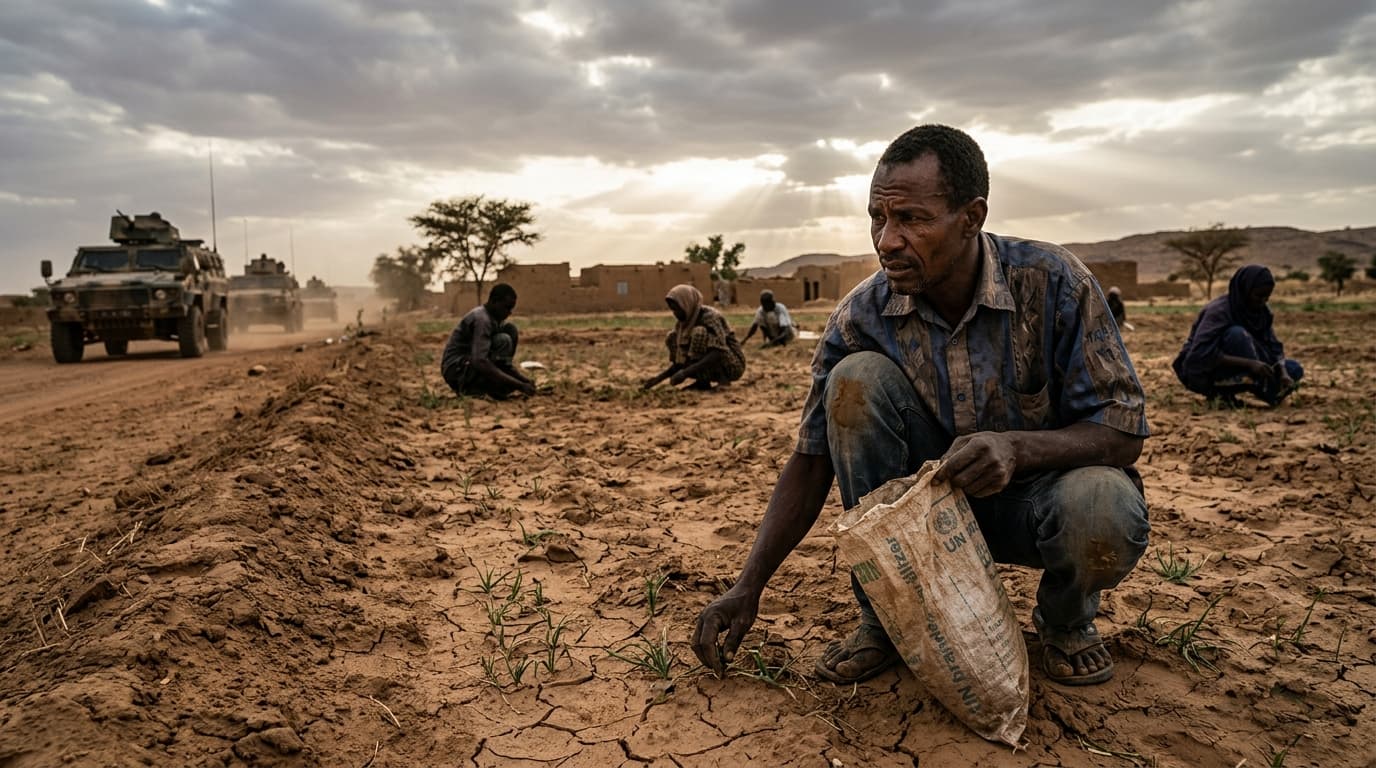
West Africa Food Crisis: Three Shocks in 2026
Conflict, climate extremes, and the Strait of Hormuz closure drive a severe food crisis in West and Central Africa, with fertilizer prices surging 80% and millions displaced.